
It doesn’t take long to realize architecture isn’t something you can do alone. The work doesn’t happen in isolation, no matter how much the lone-genius myth insists otherwise. We rely on clients to trust us, engineers to ground our ideas, builders to execute them, and communities to shape the projects meant to serve them. If you’re lucky, you get to do that work alongside a like-minded partner who helps hold it all together.
By Design is an ongoing series where I sit down with architects running their own practices while navigating the early days of my own. The last installment, “The Process,” explored how to design a practice worth sustaining. This one looks at the human side of making that practice work.
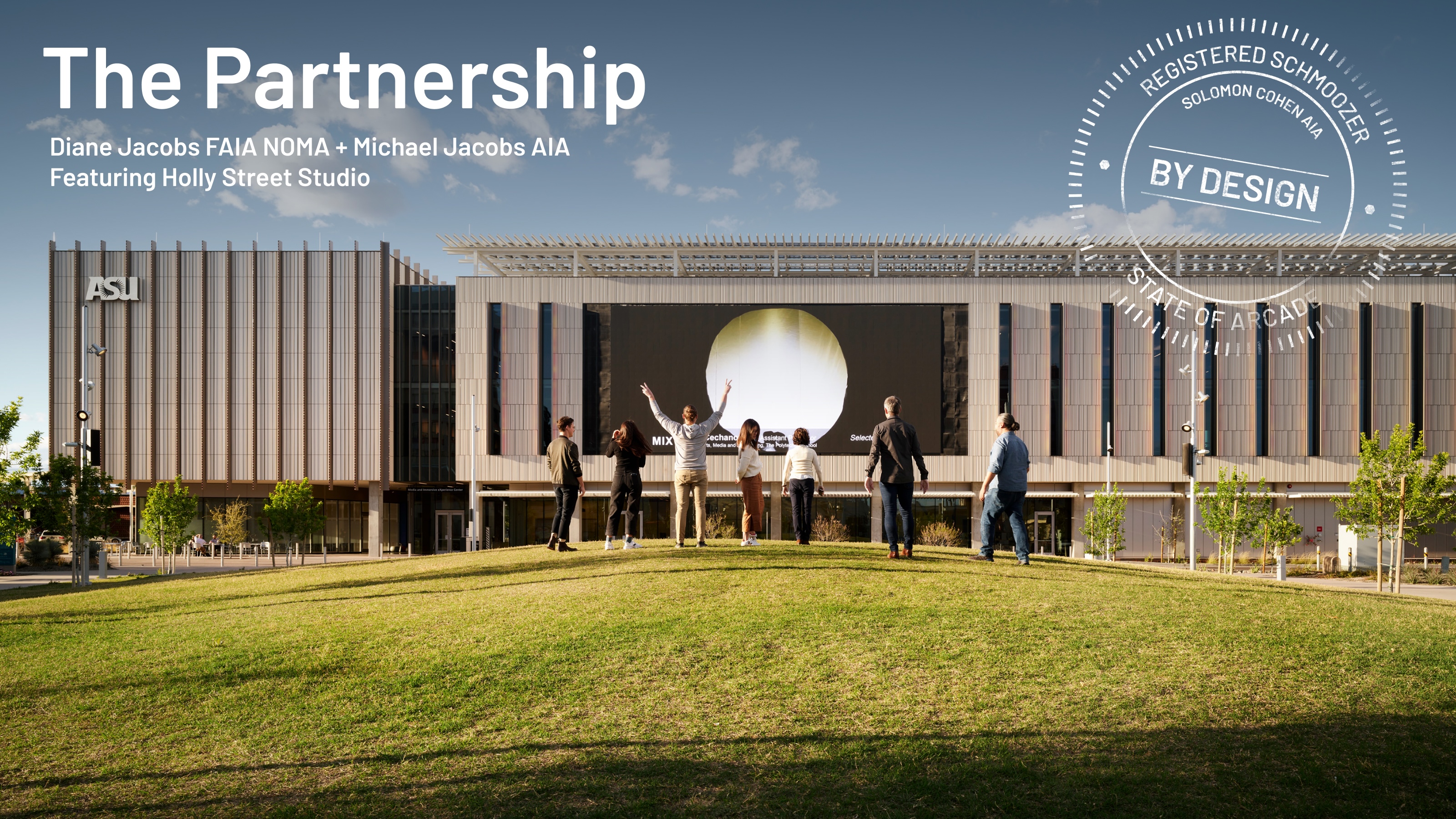
During my time in Arizona, I had the good fortune of getting to know Diane and Michael Jacobs, principals of the Phoenix-based Holly Street Studio. Their small office has had an outsized impact across the Southwest, leading public projects that range from modest community buildings to major civic campuses. Their work is rooted in the public realm, allowing the architecture to slowly emerge through a process that prioritizes service, patience, and mutually beneficial partnerships.
We spoke in their new studio, a converted warehouse near Downtown Phoenix, not long after Diane delivered the commencement address at the University of Arizona, Diane and Michael’s alma mater. What followed was a conversation about the shared authorship required to carry projects from concept to reality across a wide range of scales.
Indulge.
* * *
SOLOMON COHEN: What led you to start the practice?
DIANE JACOBS: Michael and I met as students at the University of Arizona, then left the state for a stretch after graduating. First to Boston to work with larger firms, then Texas while Michael completed his Master’s. When we were recruited to work on Bank One Ballpark in Phoenix, our time away from Arizona had already shaped us. Not just as architects, but as partners building a life together. So we stayed, bought a small bungalow on Holly Street, and put down roots. After the project wrapped, we decided to start something of our own. It wasn’t a grand entrepreneurial plan. More of a commitment to place, just as the city was beginning to take shape.
MICHAEL JACOBS: We’ve been asked this a lot, and often grapple with what the real answer is. There's a story of Holly Street that can get very romantic, about local mom & pop architects transforming public spaces around Arizona, but that’s not how we see ourselves. We’re interested in connecting with people and helping tell their stories through architecture. Our work is usually a byproduct of that.
SC: That’s been a common thread in these conversations. The question of how you want to be seen or received.
MJ: Since we focus on civic projects, we get to introduce the firm to many different people. Interviewing for these commissions can be tricky, though. We sometimes leave too much space in our heads for what other people think. At some point, we decided that one of us had to be in charge of the message, and the other would be in charge of protecting the space for it. Our most successful project interviews are when we volley those roles back and forth. We can’t worry about what decision makers might think. We just have to say what we know, and usually that allows us to hit our own marks.
DJ: We might have an empathy fixation. So many architects use data and infographics to describe ideas, but our strategy has always been to find common ground with the audience, connect with them as people, and let the ideas percolate. You can diagram concepts all day long, but sometimes it’s as simple as listening to a person in the room. Those sentiments often become buildings.
SC: How else does this notion of empathy extend into your work?
DJ: For all our projects, we start with something essential and build a powerful case around it. If you're in service to timeless experiences, and you're persistent through the design process, that's what people notice. It allows us to be less distracted by fleeting trends or trying to reinvent the wheel. So many other things become obvious when you focus on providing abundant natural light, connection to nature, or to each other.
MJ: We’re interested in making the initial move so strong that the other things can’t have a truly negative impact. At the Faye Gray Recreation Center, it was visibility and an open connection to the park. At the ASU MIX Center, it’s the deliberate balance of light and dark spaces. At Glendale’s new Civic Campus, it’s about movement and convergence in public spaces like the amphitheater. Some architects are famous for controlling every little detail in their buildings, but that’s my personal nightmare. I’d rather figure out how to guide the team toward a singular design move that works well and elevates everyday experiences.
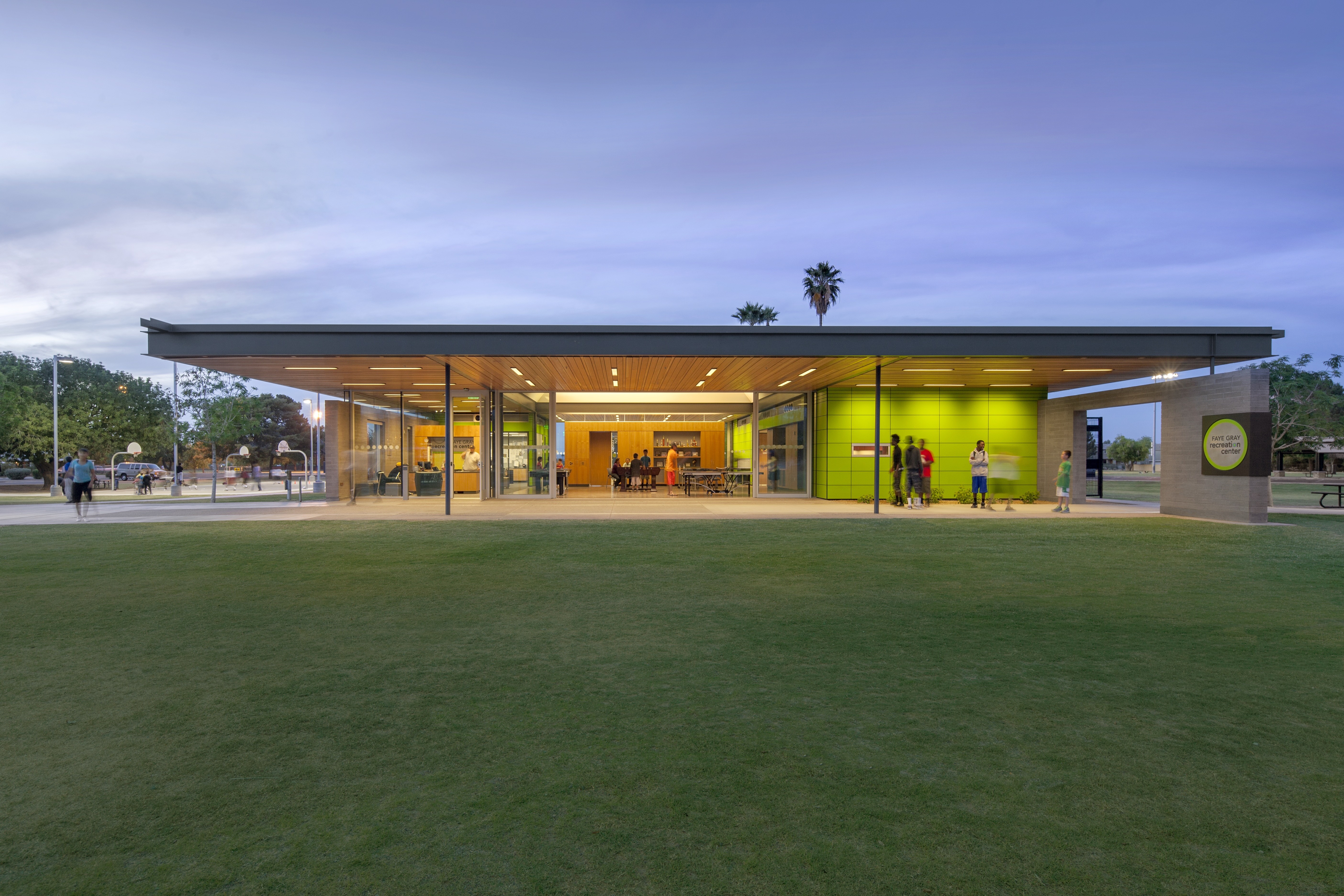

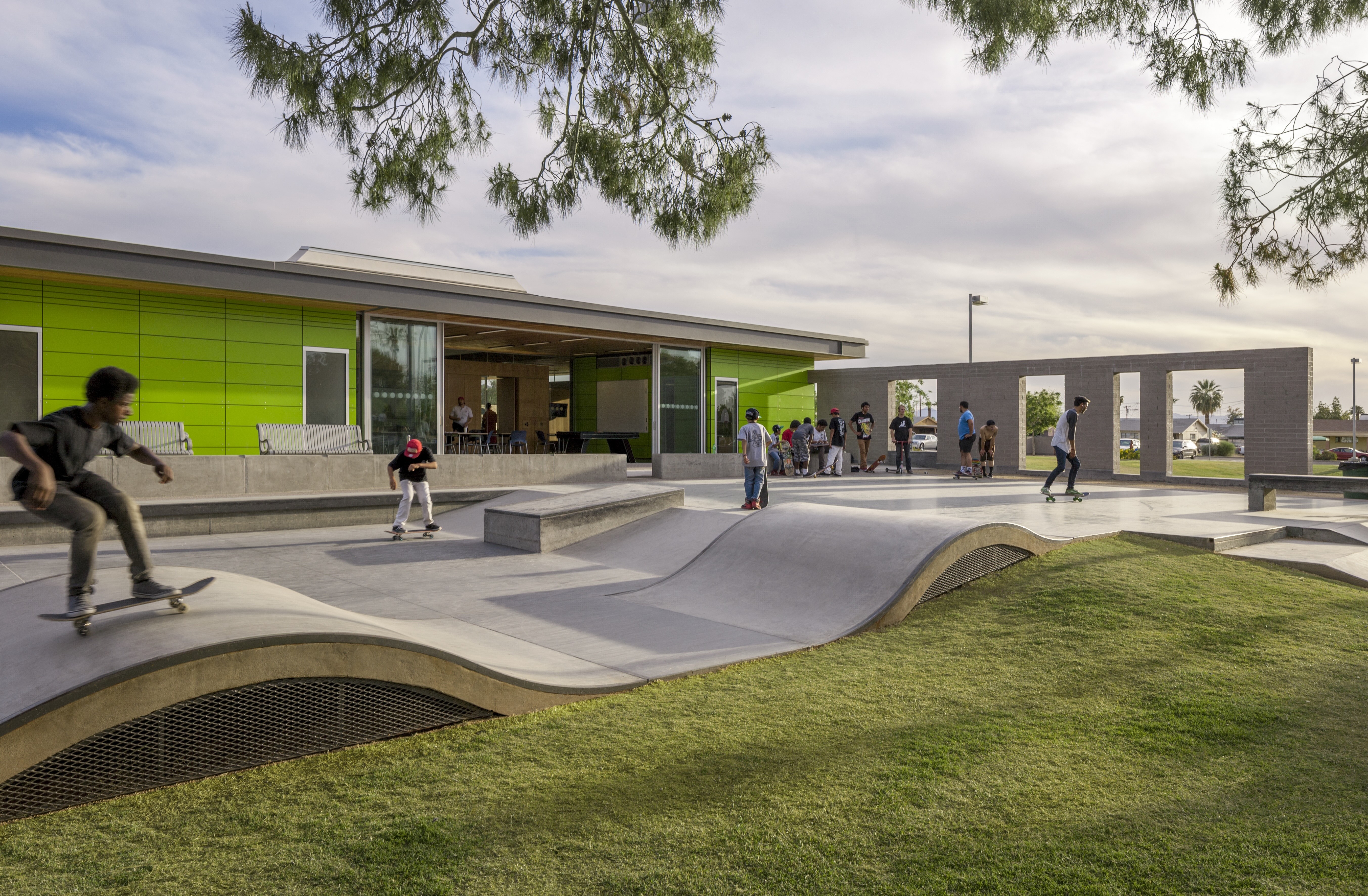
DJ: That first move has to be inclusive, too. It has to share authorship with everyone on the team, from the client and engineers to facilities staff. Their perspectives are folded into how big decisions are made, which puts us all on a fruitful path.
SC: As the office and your aspirations for it evolved, how did you learn to juggle the shifts in scale between smaller private clients and larger public commissions?
MJ: Public work has been our lifeblood since 2005, when we did a series of museum spaces for the Heard. After that, we became on-call architects for the City of Phoenix, then we got our first ASU commission, began working with local community colleges, and later with more cities around the Valley. The jump in scale felt gradual. In 2016, our largest project was about $7M in construction value. Today, we’re working on projects nearing $100M with roughly the same number of staff. The work is often the easy part. It’s managing large groups of people that’s been challenging. You end up spending more time protecting mental space so that the design can reveal itself.
DJ: Understanding where people are and meeting them in that place has always helped. We’re never trying to convince anybody of anything. We want to connect with them. It's an honor to be invited to shape public spaces, even if you're just fixing a broken sidewalk. If we do a good job, we'll get to do another one. It takes a lot of emotional capital, but we’re energized by people, and civic projects warrant the involvement of lots of people.
Unfortunately, skepticism toward the design profession is getting worse. Public clients are under a lot of pressure to get things right, and for good reason. That’s what I have the hardest time with right now, assuring others that things are going to turn out. The jump in scale hasn’t been a problem.
MJ: There’s a balance to how much we do and don’t say. If we’re doing our job well, the ideas start to prove themselves. About 10 years ago, we had a client tell us, “Thank you for listening to everything we said, and doing none of it.” He was grateful that we were respectful in our process, but still read between the lines to understand what the people who would be using the space actually needed.
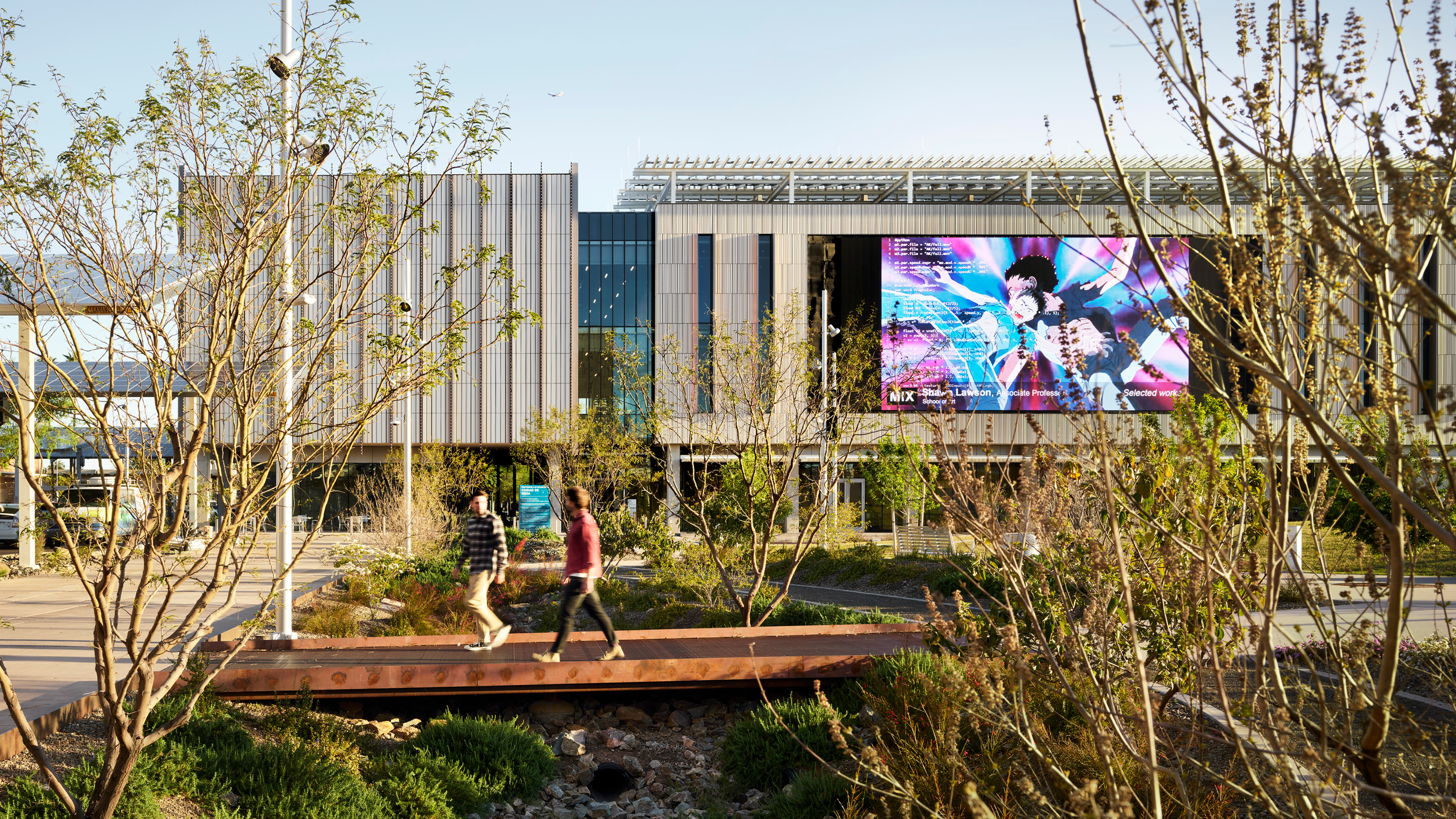


SC: When you started the firm, was that communication-driven process a central goal, or were there other factors that motivated you?
DJ: Our central goal was to become and continue to be a successful practice.
MJ: One of the biggest reasons I saw for starting the firm, besides necessity, was having unencumbered access to the work. I never liked the limitations set up in larger firms for how staff interact with people and projects. We model that idea of unencumbered access in our studio today. We’re very open with staff about how the practice is run, and I think we all benefit from that transparency.
DJ: We want our staff to grow into practice leaders, and that means understanding all aspects of the work, including what it takes to keep the lights on. Because of our size, everyone has a hand in everything: projects, marketing, upkeep, client relationships. You could say we’ve been motivated by a desire to make each other better architects and hopefully, better people.
SC: How did your expectations of running the firm compare to the realities?
DJ: The human part of it is harder than any architectural solution. When we see beautiful work by other firms, the real wonder is their ability to nurture enthusiasm and get so many people on board to realize an idea. The reality of public work is that it takes a lot of trust to get anything done. In recent years, trust has felt like a radical act, but it’s an integral part of our stewardship of civic spaces.
MJ: That’s one reason we focus on public work: it's slow by nature. It involves a lot of interesting people from different backgrounds, so the design solutions have to be resilient and timeless.
SC: Given the firm’s name celebrates a meaningful place in your history, I’m curious how the workspaces you’ve shaped for yourselves have impacted your design thinking over the years.
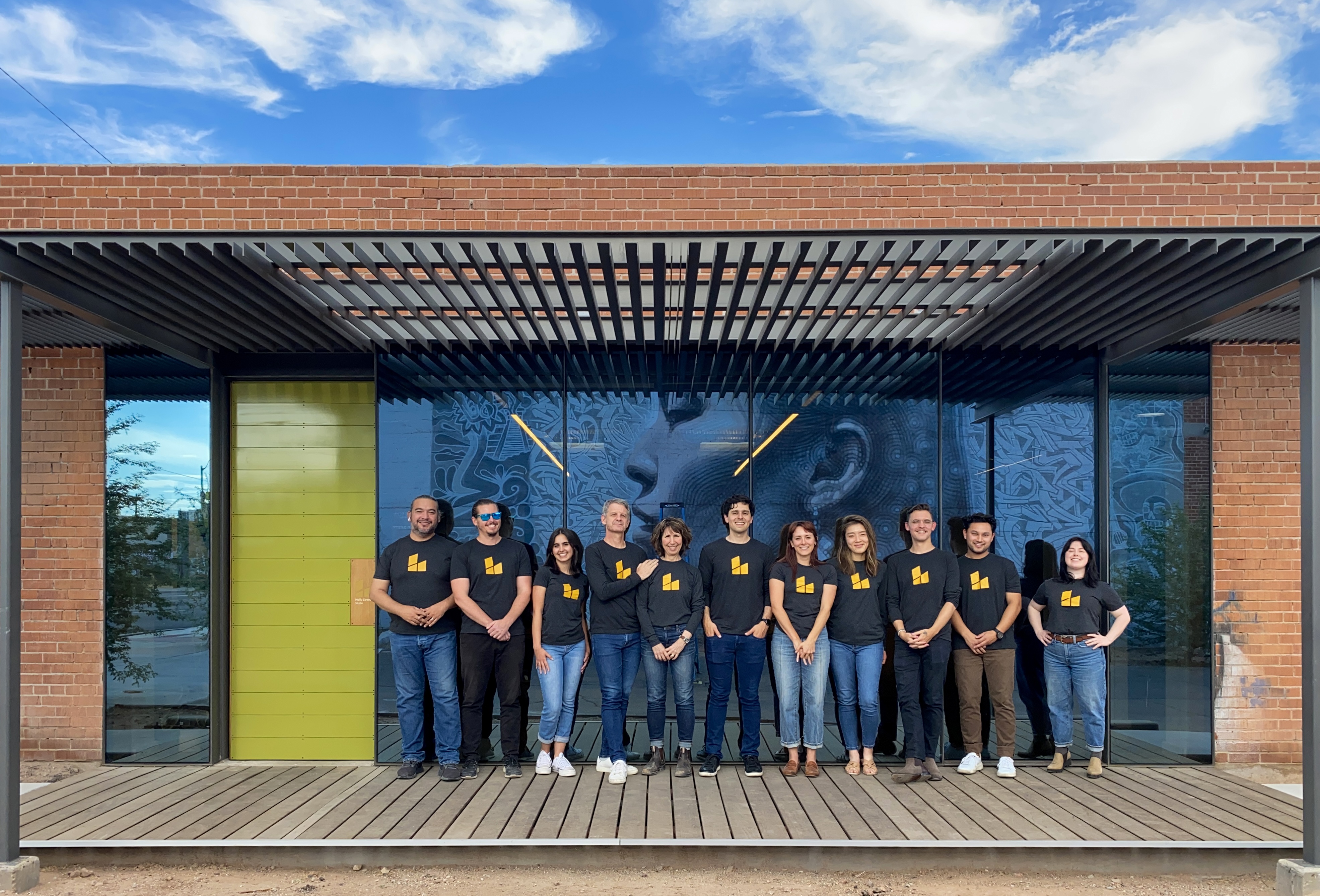
MJ: Our current office is in a 1936 shopfront along the former Route 66. Adaptive reuse is about responding. We think about revealing certain details, reducing our impact, and figuring out how to be generous with a limited amount of space. For this office, the existing mural across the shared driveway was the starting point. We had to respond to it. We put the big glass entry and shade structure along the west wall to frame the view. The interior organization came from that.
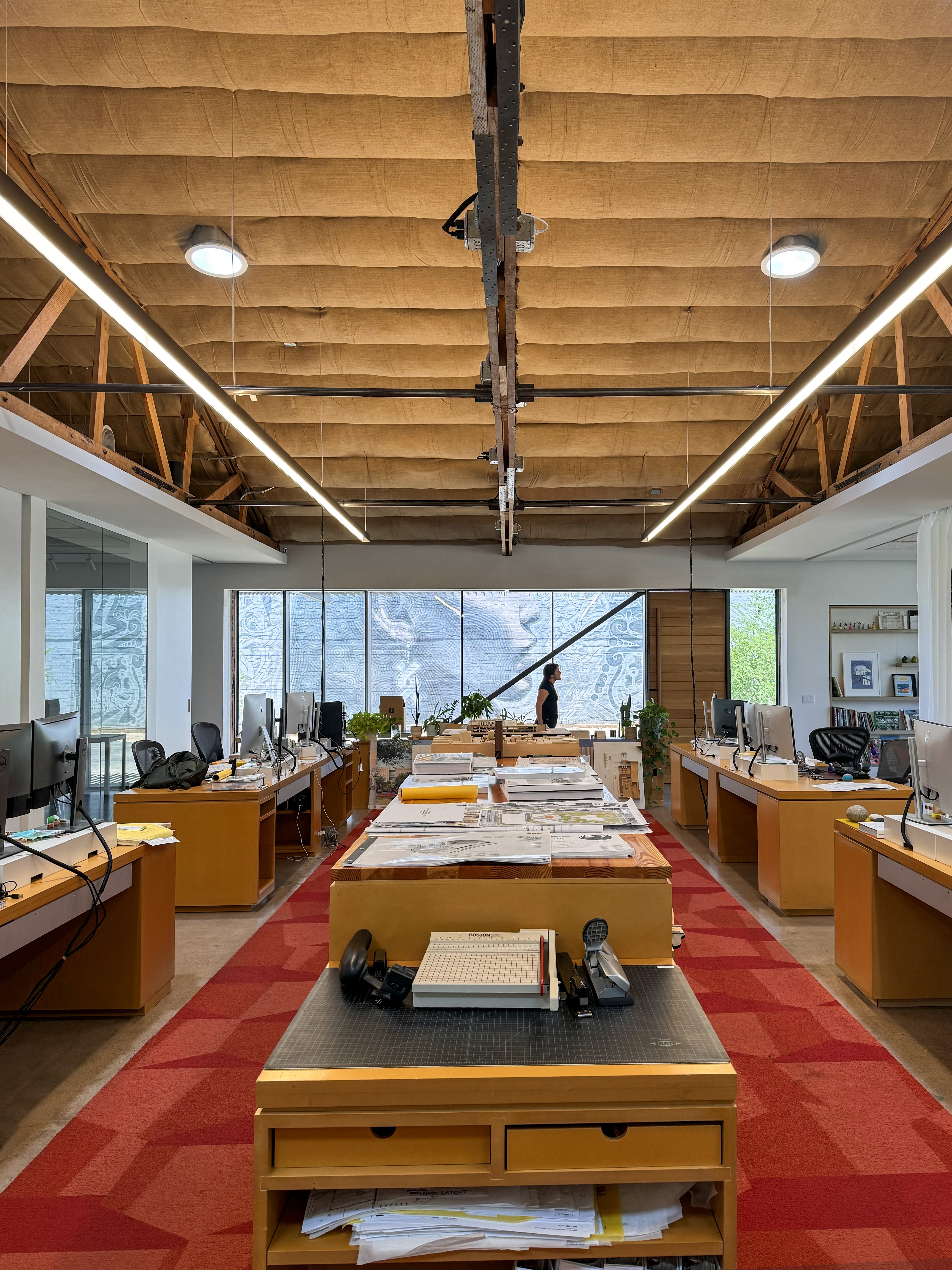
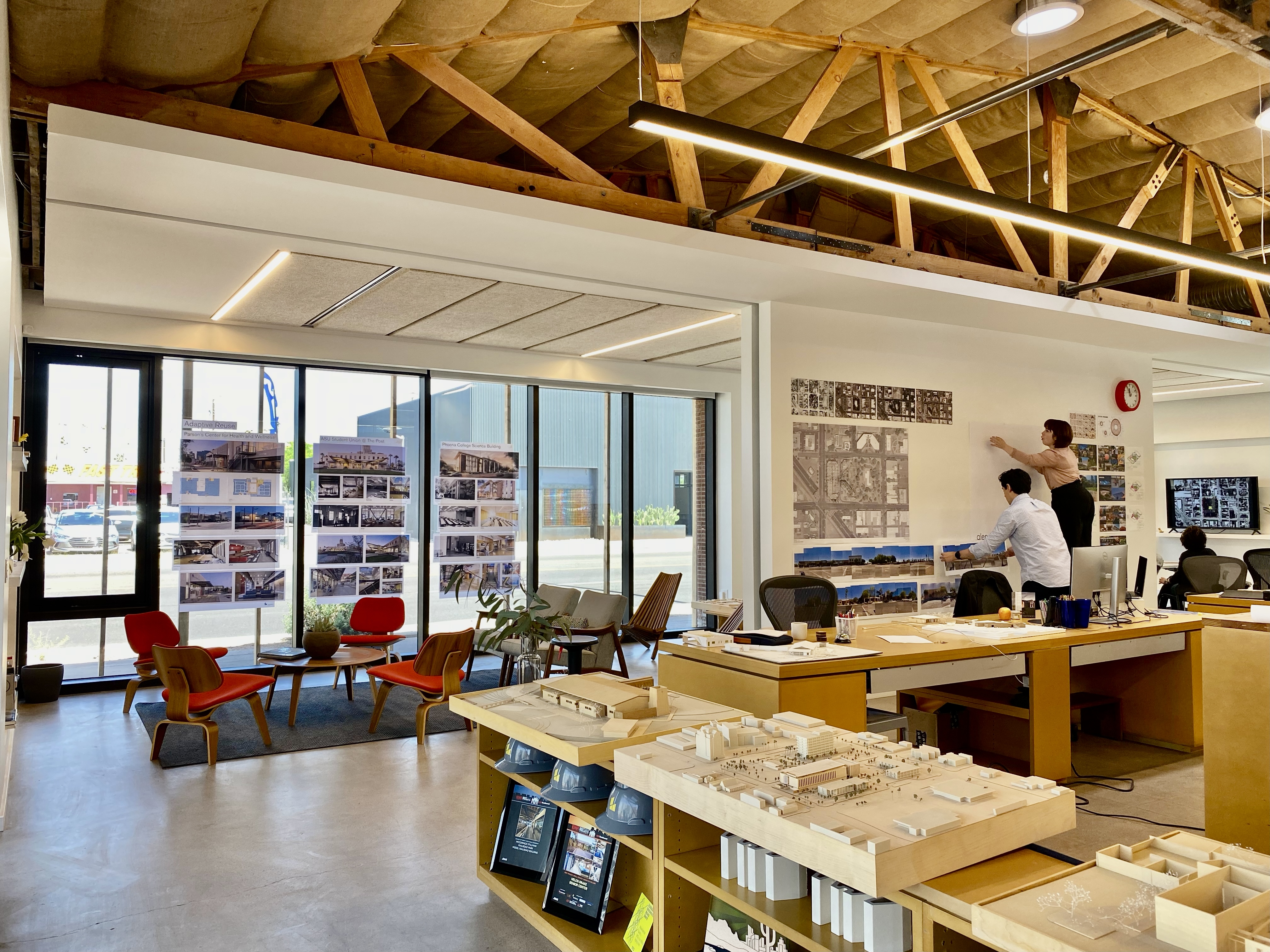
Then we thought about how ten people might occupy 3,000 square feet. Utilities like restrooms and the kitchen made us consider movement. A circulation loop emerges from the central workspace and carves out enclaves for privacy or focus. Toward the street, we have a long open gallery that serves formal gatherings, pinups, or everyday meals. The spaces can be closed or opened depending on how they’re being used. All that circulation allows natural light to move more freely and deeply into the studio. There aren’t any dead ends, so all those options become very personal.
DJ: Architecture can embody generosity. It allows different versions of ourselves to participate. I like to think our work elicits that experience for everyday people.
SC: If you could go back to 1999 and give yourselves one piece of advice, what would you say?
DJ: I would tell myself what I shared with the University of Arizona 2025 graduating class: you don't need to go as quickly as you think. Just be steady, know that things accumulate, and that you're likely more prepared than you think.
MJ: Don't question yourself so much. Before we started the practice, I don’t think I was ever involved in getting a building permit or a site plan approved. You just have to begin.
DJ: And you have to remind yourself that it all adds up to a body of work. You learn to take pride in everything. Those early projects aren’t a waste. They all contribute.
SC: Now that the studio is 25 years old, what do you hope to accomplish in the coming years? You mentioned goalposts aren’t huge motivators, so what does move you?
MJ: When I was younger, seeing buildings that were lost opportunities drove me. A huge part of me believed, and still believes, that I could do it better. That’s still motivating. Getting better and knowing there still a lot to fix.
DJ: For me, it's like an airplane, laboring to pull up to a certain altitude. When you get there, you're just gliding. Still steering, cautiously maneuvering, but it doesn’t require this intense effort. We'd like to get to a point where all of us in the studio are gliding in our own way. I want to continue getting smarter with every project. Whether it's emotional, technical, or cultural intelligence, it’s such a joy. I feel like we’re getting better with age, so why would we stop?
* * *
Architectural practice is built on partnerships at every scale: staff, consultants, clients, communities. None of it can work without a willingness to share authorship. The work only moves forward when you stay open, listen well, and allow others in to help shape the vision. It’s a simple idea, but not an easy one. Turns out all those high school group projects were more relevant than we thought. Grateful to Diane, Michael, and the Holly Street Studio team for the reminder.


.jpg)

.jpg)