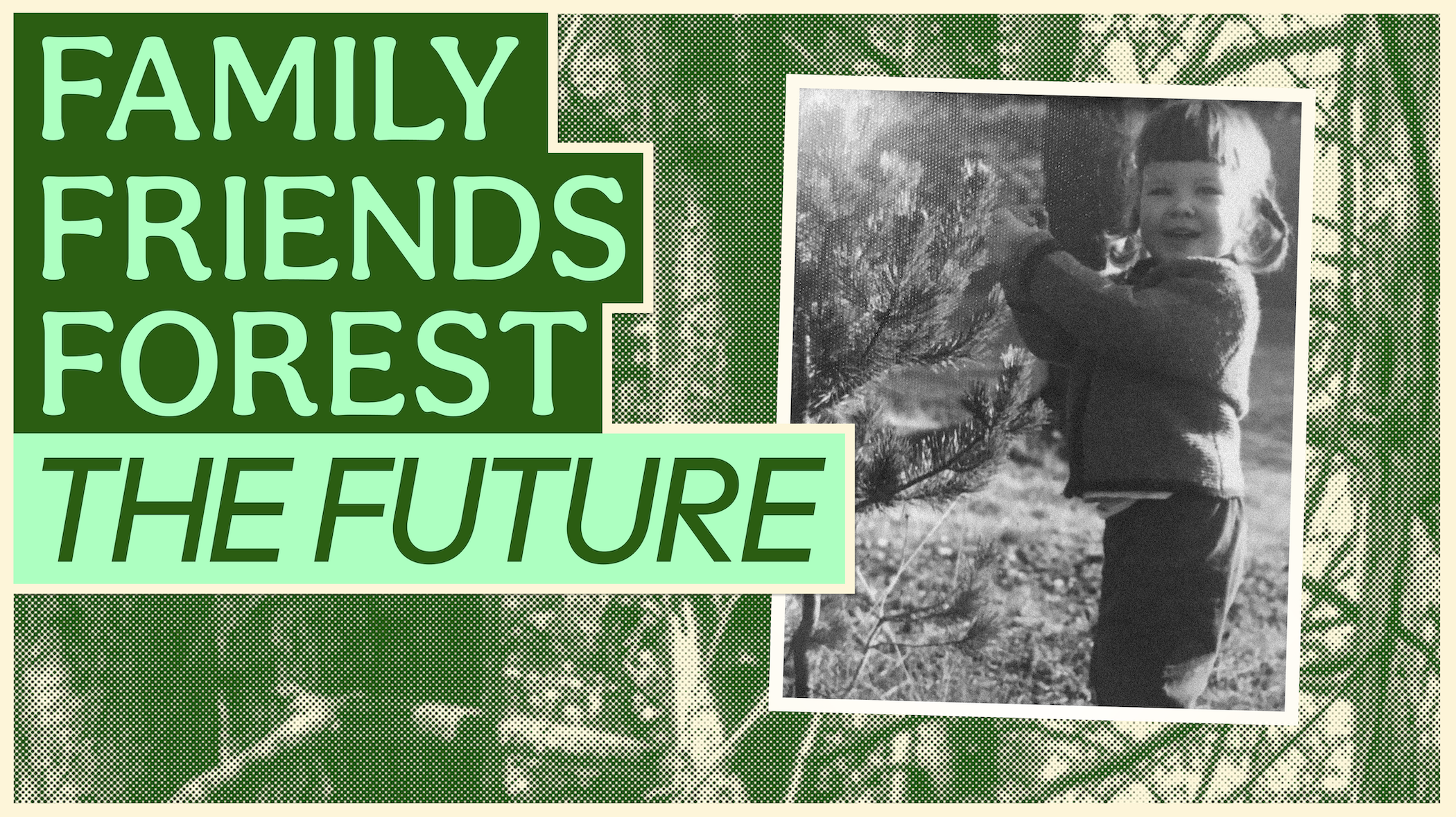

Susan Jones has a sister tree. An entire extended forest family in fact.

This image of Susan beside a tree that is practically her same age, planted on her grandfather’s land, is a demonstration of her affinity for and lifelong integration of the parallel lives we inhabit beside nature.
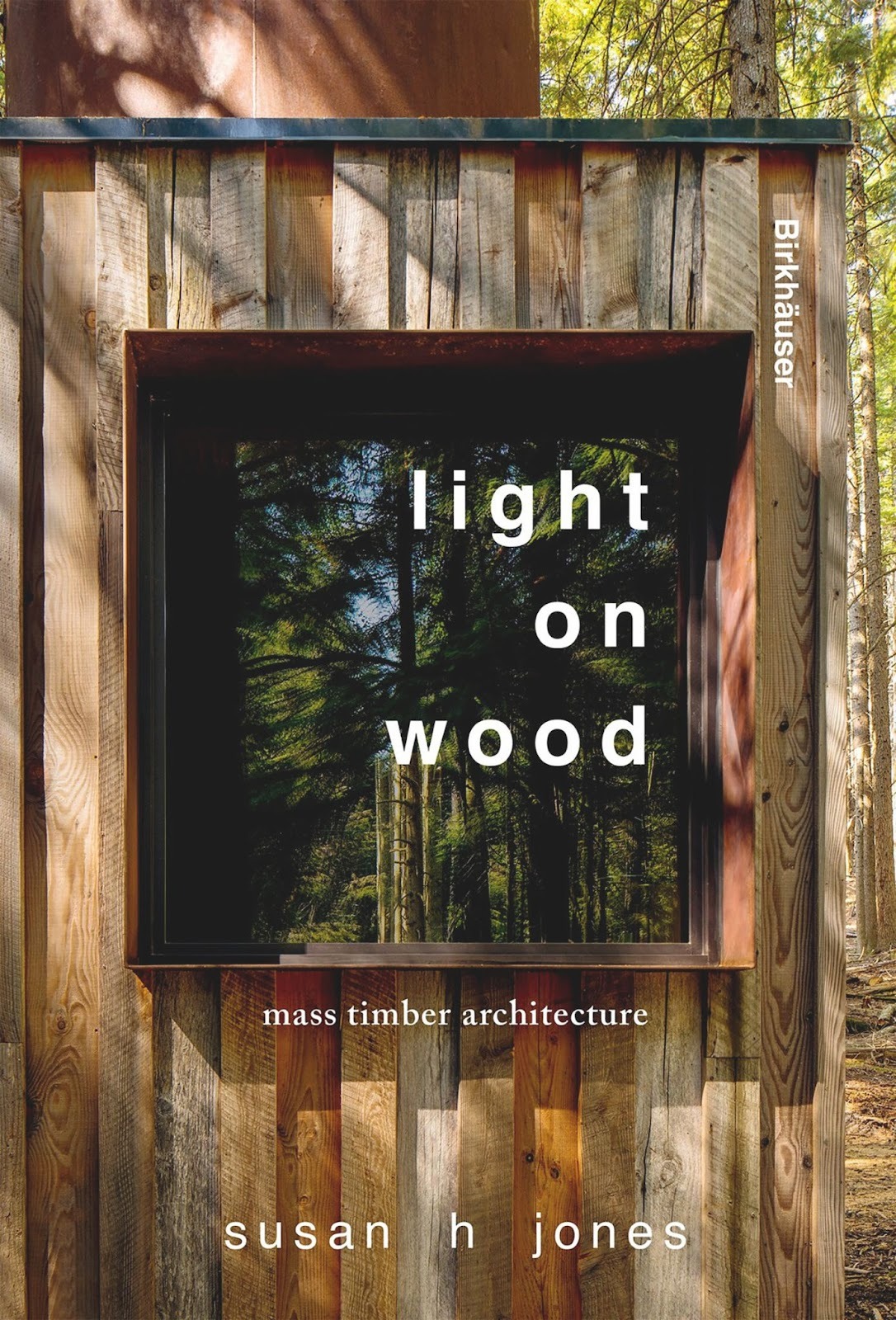
light on wood: mass timber architecture published by Birkhäuser is a detailed survey of a career in architecture written by tree kin and citizen architect Susan H. Jones, FAIA. As an advocate for designing buildings that stand for carbon responsibility, Susan and her firm atelierjones, established in 2003, demonstrate the deliberate and intensive effort required to explore and execute work grounded in data-driven, research based environmental stewardship. Wood is acknowledged and celebrated throughout the memoir as one of the most available, familiar and sustainable materials that have been in the architect's lexicon since humans started constructing.
Throughout the course of the book Susan exhibits her virtuosity as an architect, designer, educator, explorer, researcher, thinker, inspirer and executive true to her own ideals and fighting the good fight, which in her words is “designing for our future, as fast as possible.”
Some definitions:
Mass Timber - a category of engineered wood building products made by combining smaller pieces of wood into large, structural panels, beams and columns.
CLT - Layers of dimensional lumber stacked perpendicular to each other and glued, creating large panels used for floors, walls, and roofs.
Code - for purposes of this review, the IBC, International Building Code maintained by the ICC, International Code Council.
Logically organized into six sections that overlap chronologically and thematically, a keenly developed narrative of Susan’s intentional focus emerges:
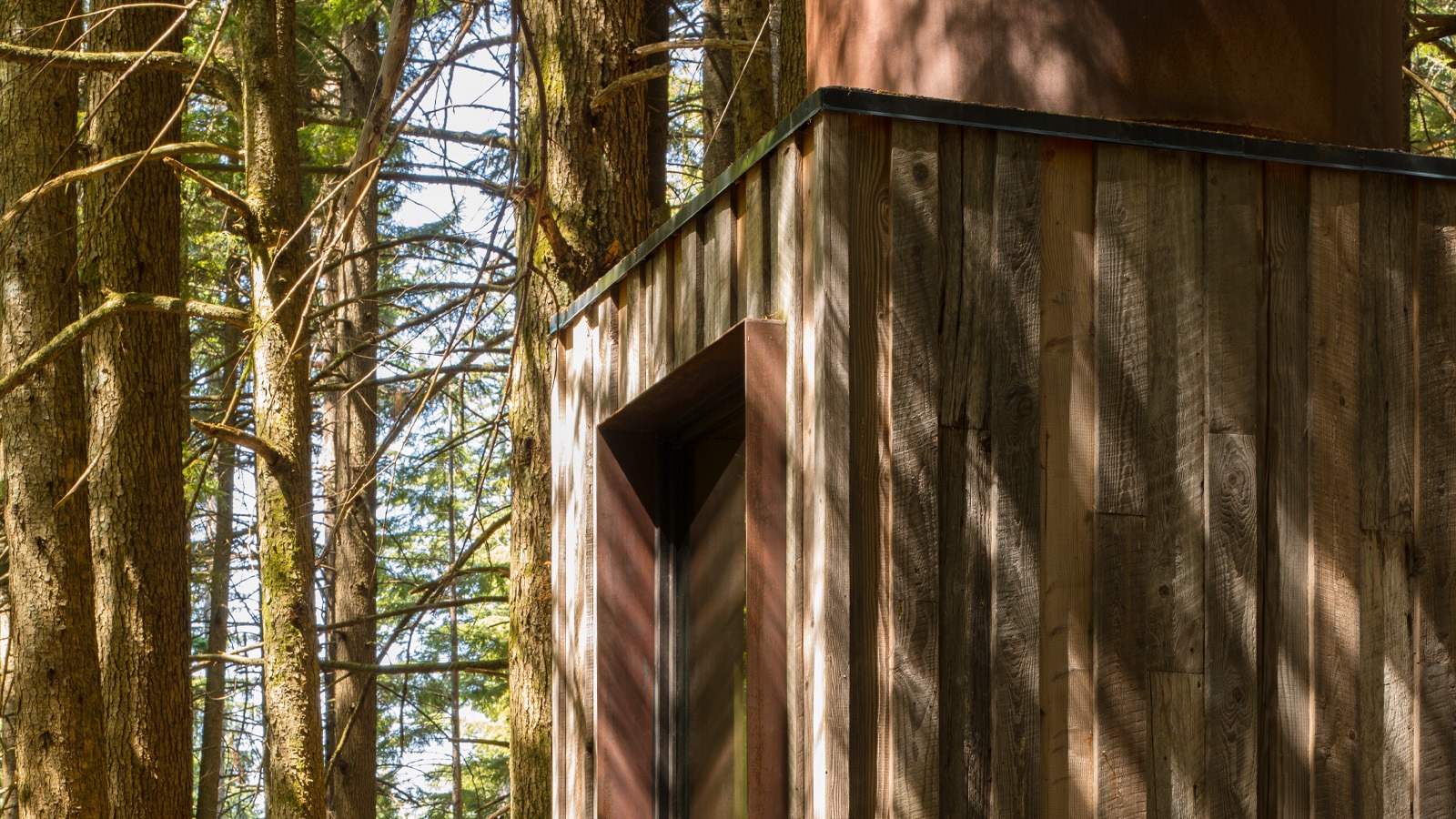
I. Forest - Source and stewardship, connection to the land, the forest, the trees, the physiological and psychological experience of engaging with the natural world. Susan recounts the history of an acreage of forest procured by her grandfather that became her responsibility to steward, including tricky tax obligations and what it means to “manage” a forest. This is a place where she spent her childhood and whole life experiencing what nature can be, instilling in her a respect and appreciation for the natural world which obligates her to treat nature as an equal ally worthy of consideration. This is where her sister tree still resides and Susan continues to maintain this “homestead” forest as a duty and also a privilege.
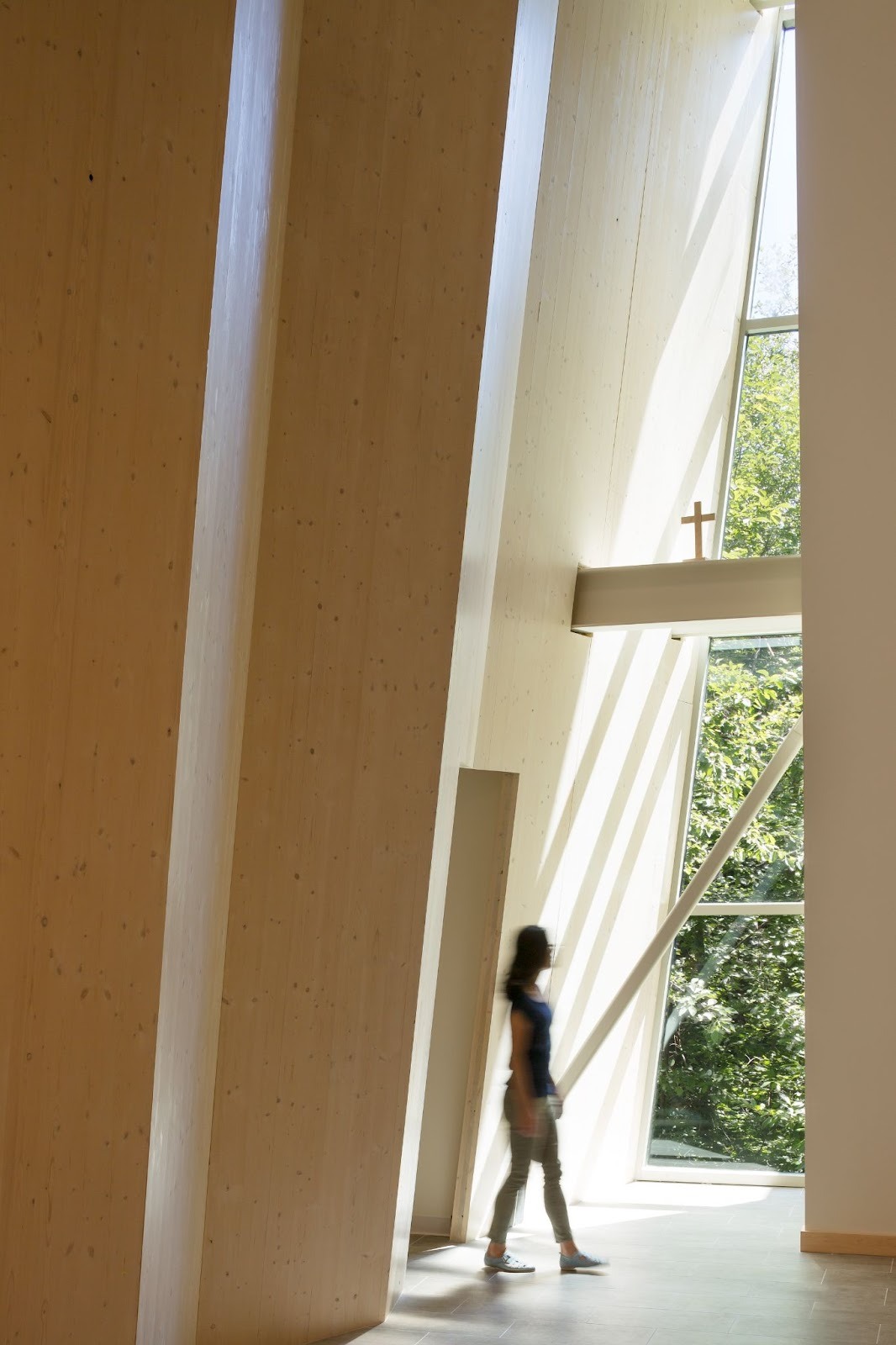
II. Light - The aesthetic resonance of light on wood (from whence emerges the book title) as experienced holistically in the forest and in the visual play across trees turned to lumber turned to walls, surfaces and objects. The projects described here are appropriately sacred spaces. Churches specifically. A reminder that cathedrals are allusions to the forest. When effectively designed and executed they can instill a sense of awe and reverence through the arrangement of geometry and light.
“Designing a space to evoke transcendence demands a dynamic and muscular architectural language, in the most ancient tradition of spiritual architecture. It must invoke immense and precise dynamism within the section, and through that, invoke a section of the unseen, of that which is beyond the delineated architectural section. What emerged was the urgency of the leaping of light, as I would later call it. Light leaps.”
Susan H. Jones - light on wood, pg. 74
The Bellevue First Congregational Church is an early atelierjones CLT project where the material demonstrates its “truth”.
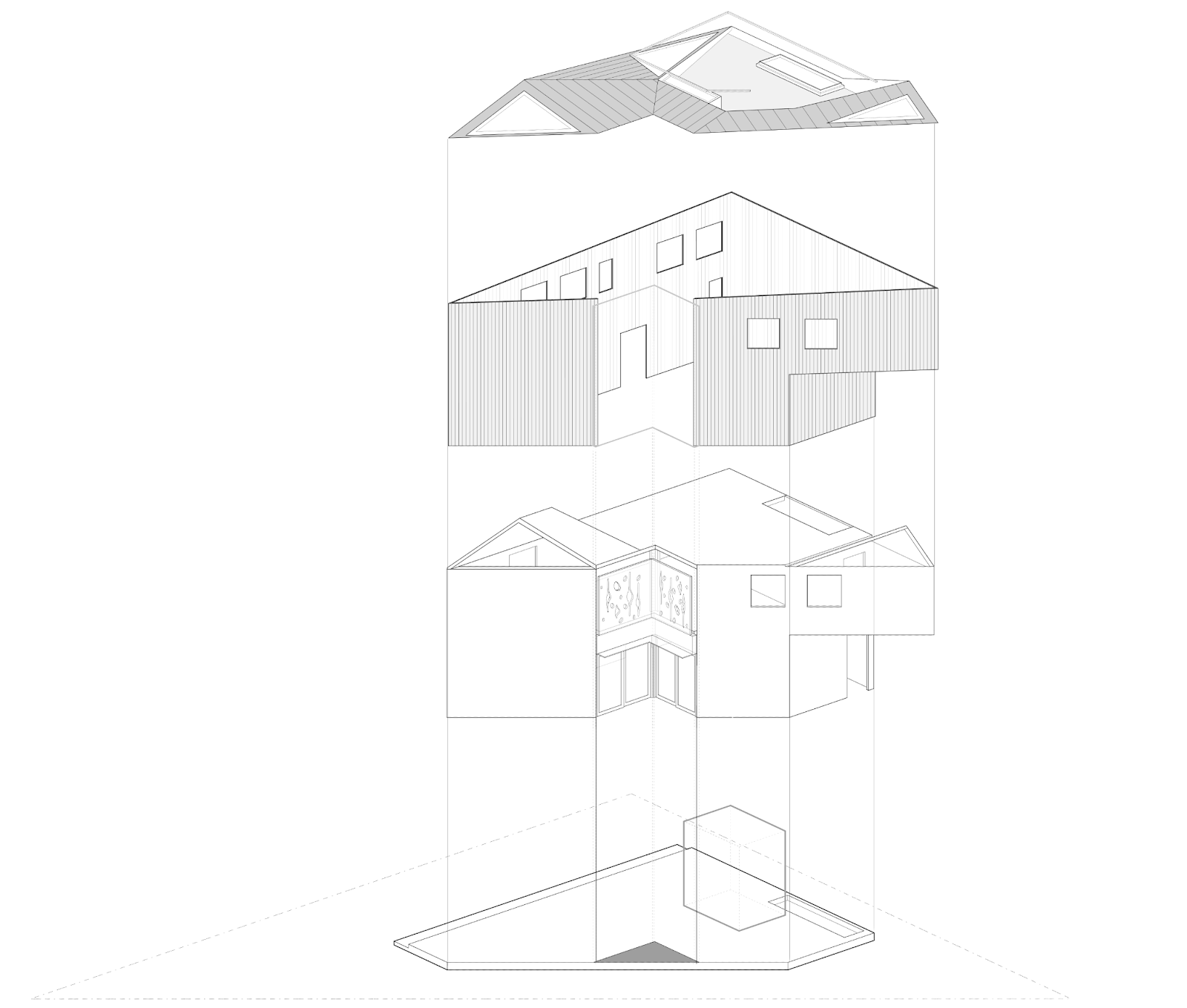
III. Home - Susan’s own establishment of a home designed using CLT (cross laminated timber), the materials and construction methods that she comes to champion. This is where Susan truly puts her money where her mouth is, literally, and it is a part of why she has become such an authority on the subject of CLT. Designing and constructing her own home with the material gives her special insight into the tectonics, aesthetics, smell and feel of being enclosed within substantial and monolithic forest turned slabs. This is deep committed research with lasting implications that continue to inform her practice over time.
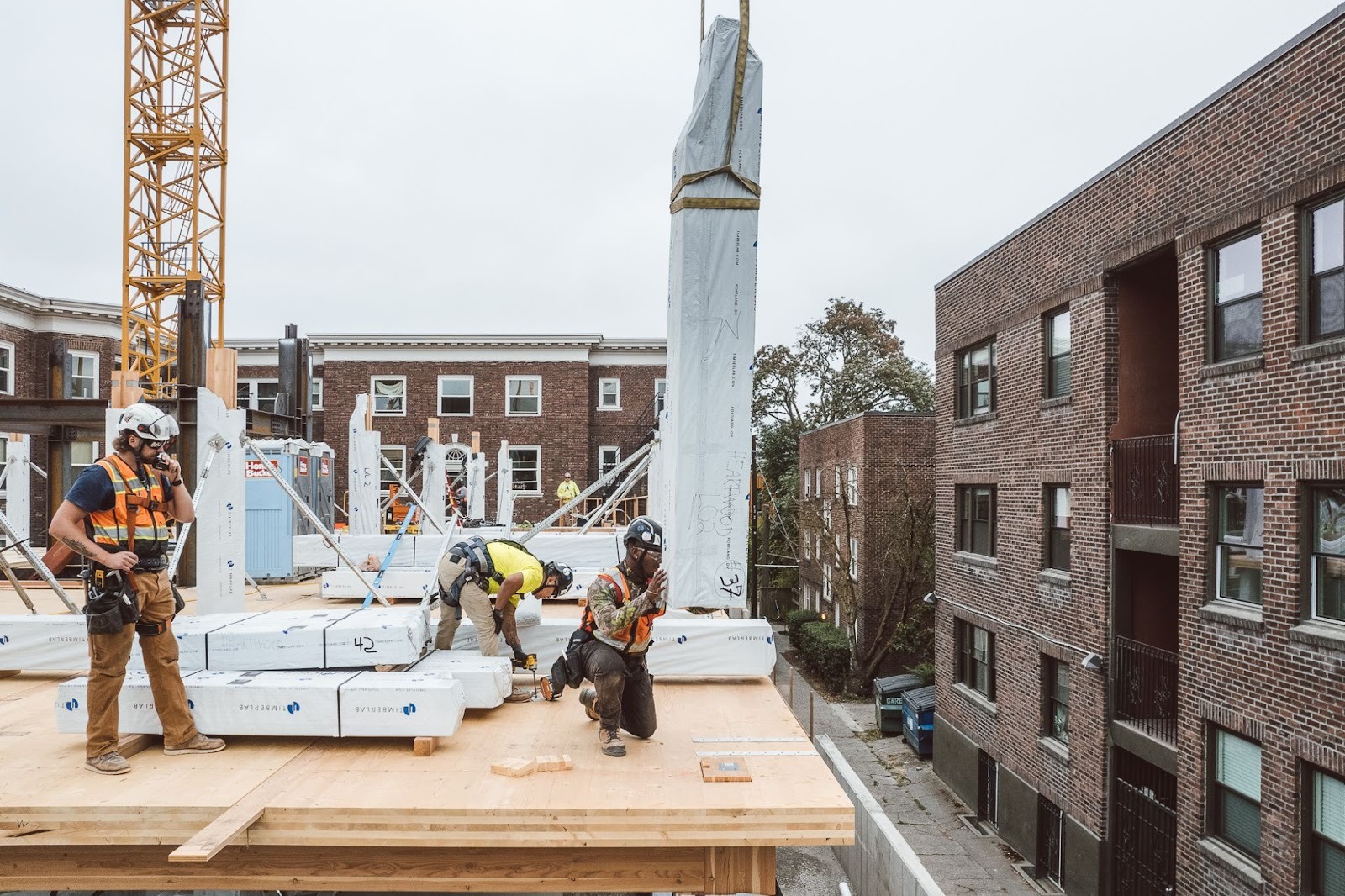
IV. Scale - The efforts to validate this means and method (CLT/heavy timber) approach become more widely applied and accepted in the industry. Including the epic process of codifying its use so that it can be universally applied to make large scale buildings economically viable and permitted. The efforts described in this section make the process of writing code appear as sexy as a procedural C-SPAN saga. The thankless task of manipulating language to cover all bases (and asses) in the context of committee without over-prescribing or limiting potential use cases, the rigorous fire testing, the various lobbies and interest in maintaining the status quo, the ever ubiquitous patriarchy of “the way we do it.” The triumph is the outcome. Use of CLT is now permitted by code (IBC) with some new category designations (IV-A, IV-B, IV-C) to boot. Someone had to do it and Susan was instrumental in that tremendous and tedious effort. The narrative of this process includes details any code nerd will devour. This section of the book also covers the deep research and comparisons of embodied carbon in mass timber vs. conventional concrete and steel large scale buildings. There is validation for all of the effort that culminates in the Heartwood project developed by Skipstone. An 8-story Type IV-C residential building in Seattle’s Capitol Hill neighborhood. Tall Timber in the city. Victory of process and intent for Susan, atelierjones, the future and all of us.
V. Char - As a direct result of the success with fire testing during the code process it became clear that mass timber is a resilient method to adopt for restoring communities and preventing risk in wildfire threatened environments. Even the possibility of utilizing the undamaged portion of fire charred trees as lumber is discussed.
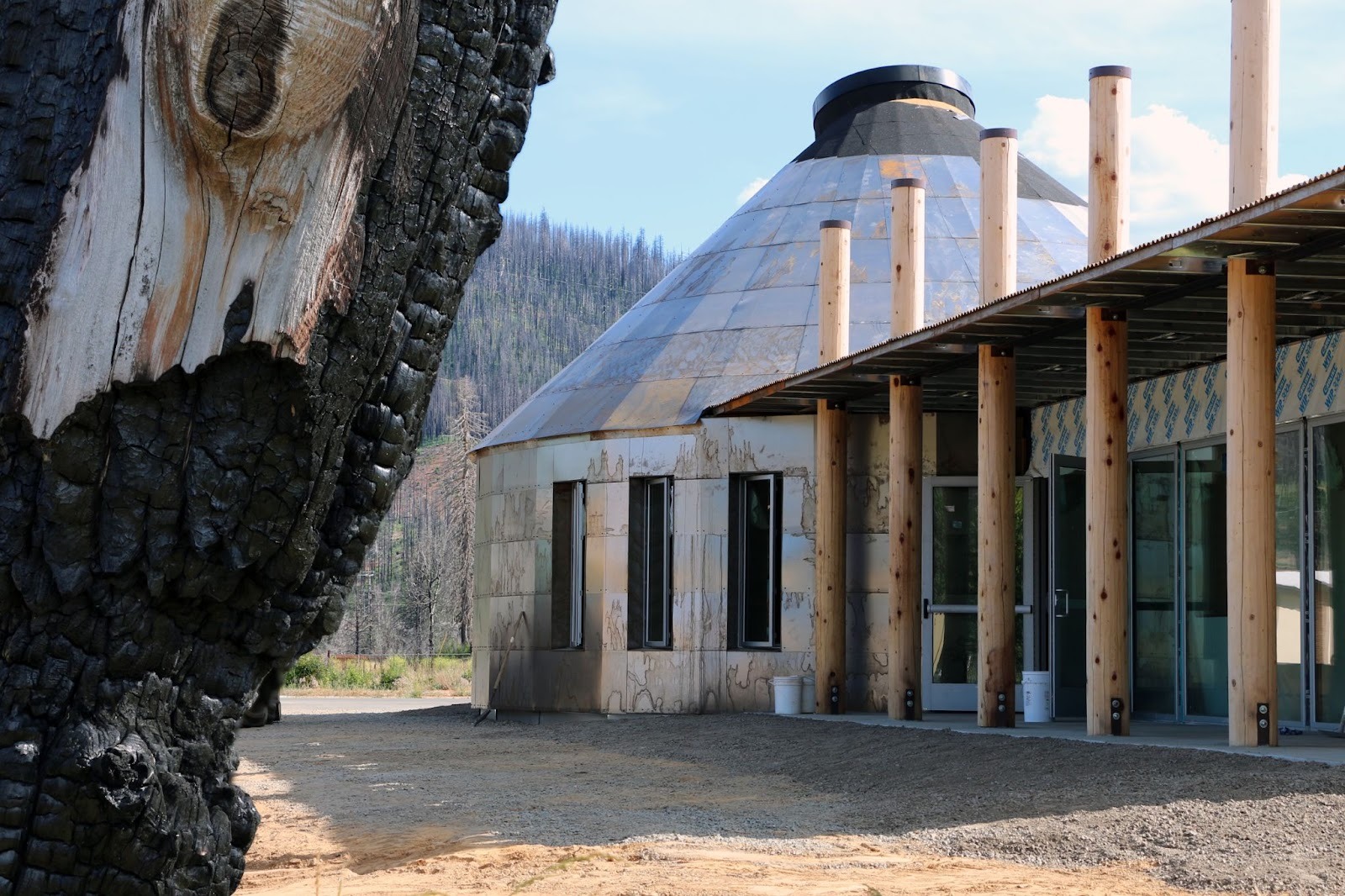
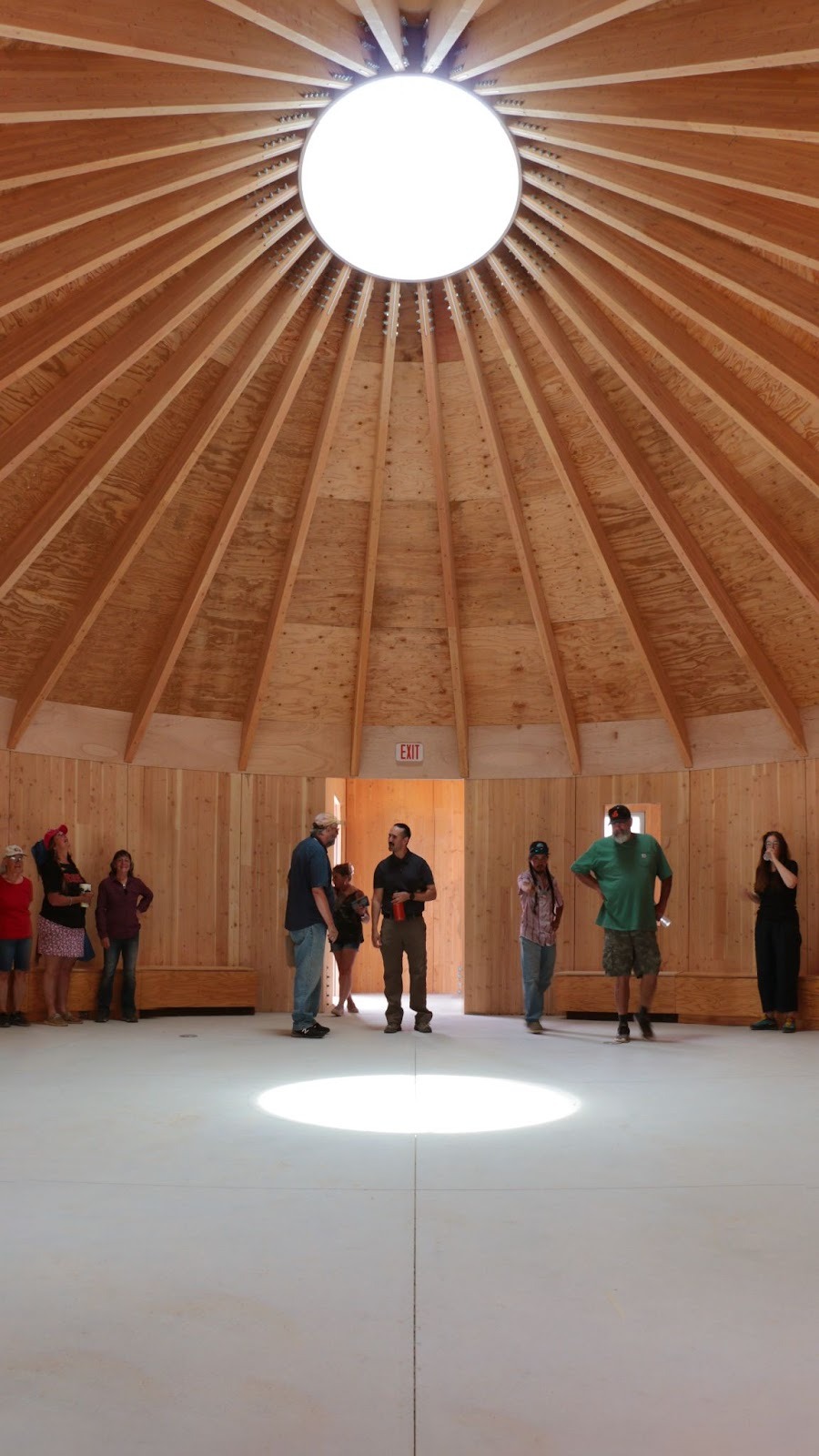
VI. Coda - Various projects exemplify Susan’s design philosophy and causes that resonate with her approach to being an environmentally aware architect citizen. Many revolve around eliminating the notion of waste, recognizing the lifecycle of materials, every bit of everything as a potential resource. And in the coda Susan explicitly makes clear her stance and invokes her treatise as an architect.
“Architecture must live in the present. We must actively engage with present conditions, adapting to them. Design for a livable future now.” pg 285
“As architects, we can both ameliorate damage and repair the excesses of the 20th century and regenerate hope and beauty for the 21st.” pg 286
The hardcover book is printed on 115 g/m² Naturpapier with dozens of gorgeous descriptive images as diagrams, drawings, photographs, sketches, tables and a very comprehensive timeline that helps put Susan’s career and projects into a linear context. Susan writes articulately and at times poetically, engaging the reader through her experiences and observations, facts and meticulously compiled data.
From the foreword by Peter B. MacKeith:
“Reading light on wood entails an engagement with a process rather than obtaining a product. Encountering Susan Jones in these pages is to meet her in the forest, to understand her ecology and its relevance to our own lives, and to hear her own encouragements to become both more primitive and refined‒to become authentic leaders.”
This book is for any person who believes, or wants to, in a future of abundance and harmony with the natural world. It propels the idea that we can switch from an extractive one-way economy that leads to inequality and pollution to one that sustains through consideration and deliberate, elegant design, incidentally becoming more beautiful, comfortable, satisfying and sustaining. Considering the built environment in this way is not extraordinary for Susan Jones, it’s just the way it is, and she has actively demonstrated this possibility through her work, which has deep influence beyond this moment. The writings in this book, the research in practice and design studios, the influence on students and mentees and every person in the path that Susan crosses leads to a more positive future.
Susan will be presenting a talk related to light on wood on April 9 at the Seattle Public Library, hosted by Space.City, a not-for-profit, volunteer-led organization that Susan helped found with fellow Seattle architects Grant Gustafson and Laurel Wilson 30 years ago. Space.City still persists in the community to bring conversations about art, architecture and urbanism to the public. The lecture will be followed by a happy hour at LMN’s The Shop where you can meet the author and pick up a copy of the book, provided by Peter Miller Books. Tickets here.



.jpg)

.jpg)