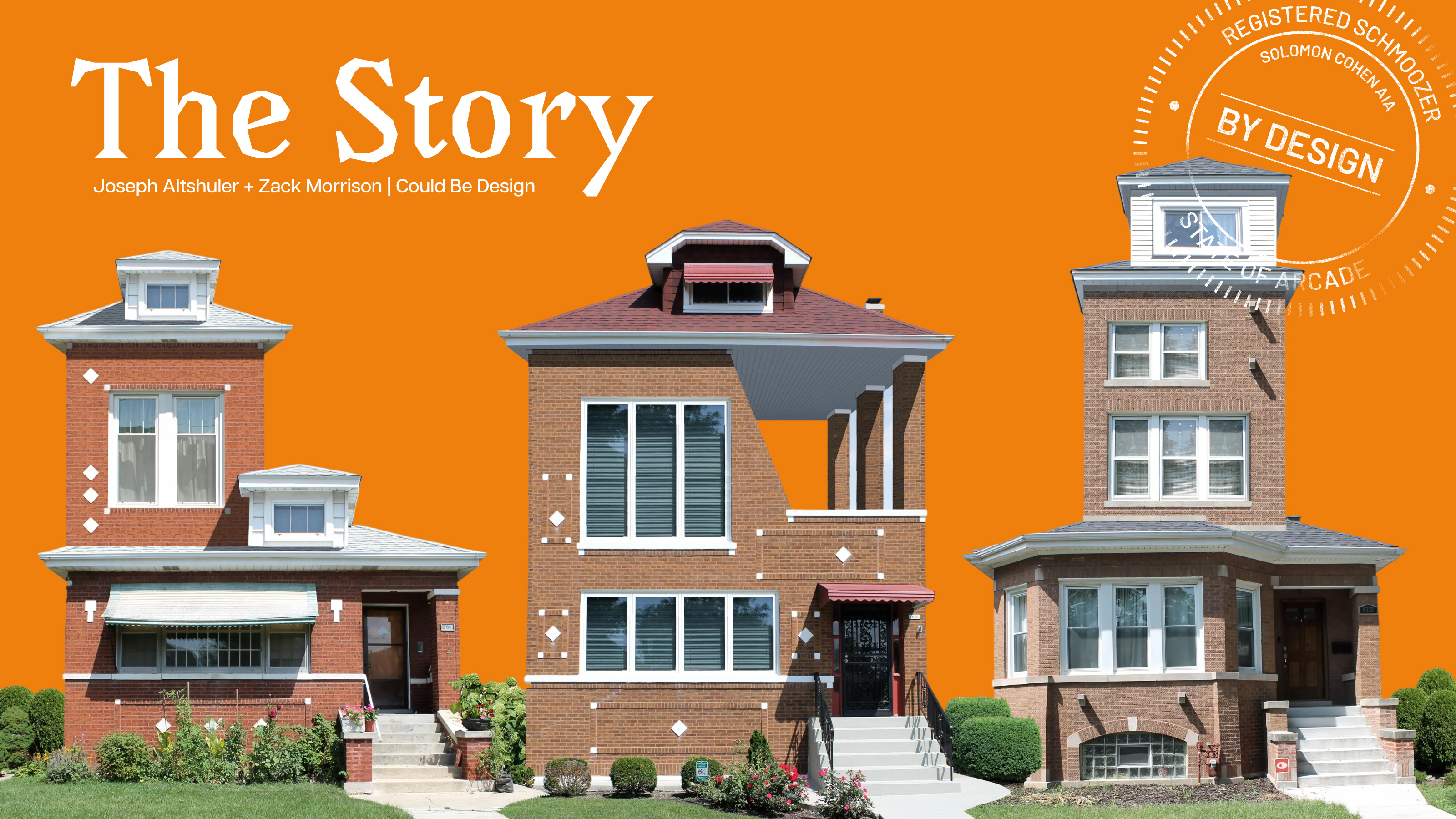

Don’t let your high school guidance counselors fool you: architecture is about storytelling. Not around a campfire or on a stage, but through drawings and buildings that reveal what was, what is, and what could be. Beyond the graphic standards, images, and models, there’s the audience. Who the work is for and how they engage with it are guiding forces.
By Design is an ongoing series where I sit down with architects running their practices while navigating the early days of my own. The last installment, “The Partnership,” explored how collaboration shapes the work. This one looks at how narrative, experimentation, and a bit of comedy can bring architecture closer to the people it’s meant to serve.
Early on in my career, I came across an article profiling Joseph Altshuler and Zack Morrison, founders of the Illinois-based Could Be Design. Their studio operates in the space between art and architecture, using exhibitions, installations, and unconventional representation to test ideas and invite participation. Often theatrical in its presentation, their approach expands architecture’s reach in an effort to make it more accessible to broader audiences.
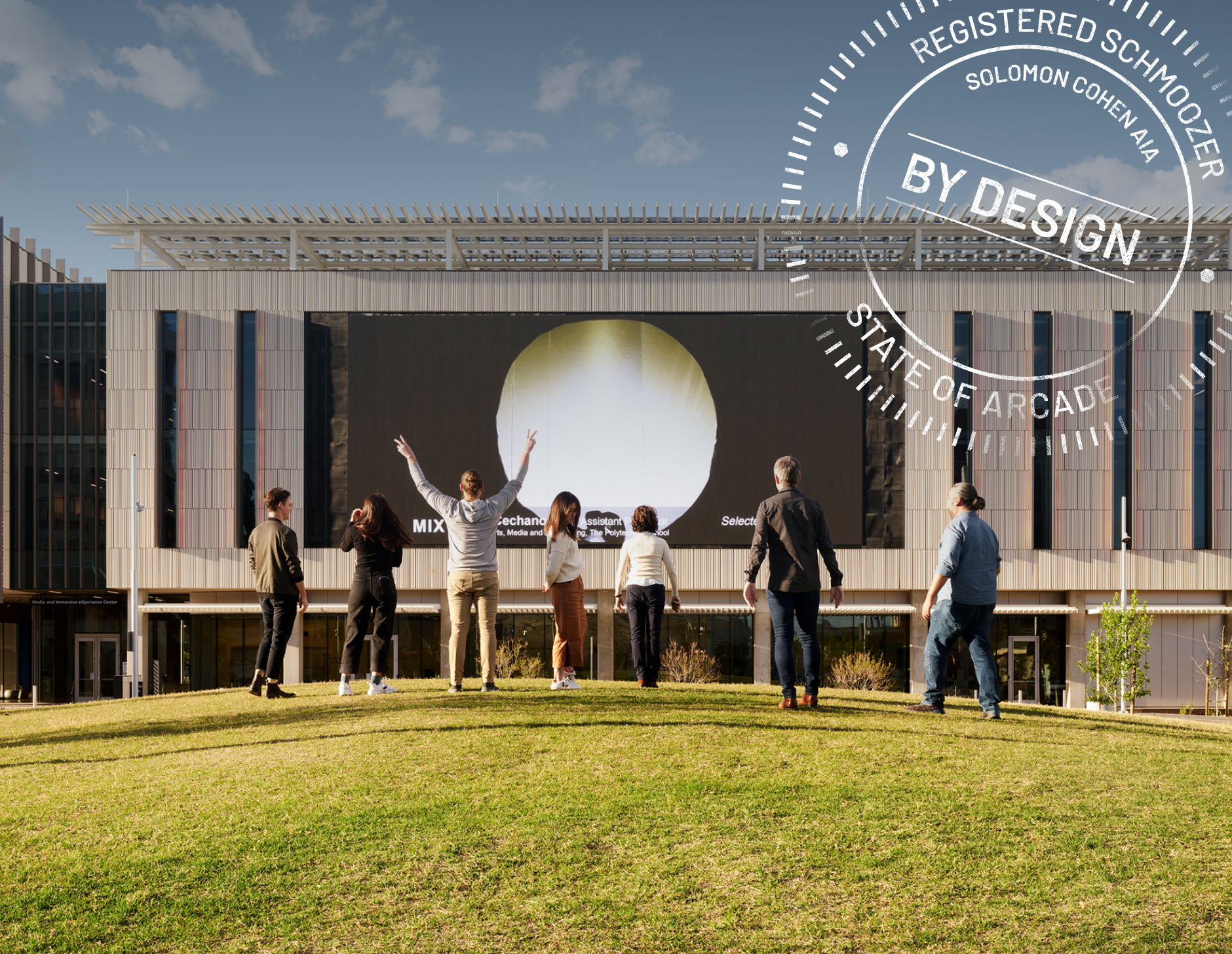
We spoke back in March 2025, as they prepared to curate the most recent cycle of Exhibit Columbus in Indiana. What followed was a conversation about how storytelling carries just as much weight in the design process as any drawing set, technical detail, or contract negotiation.
Indulge.
* * *
SOLOMON COHEN: What led you to start Could Be Design? Was there a moment when you knew you wanted to work together?
ZACK MORRISON: Our origin started with a literal story. When we were in graduate school at Rice University, we entered the first Blank Space, Fairy Tales architecture competition. Our program was small enough that we knew each other and saw correlations in our work. The competition required us to write and illustrate a story. It made us think about architecture and narrative in a world of our own creation.
JOSEPH ALTSHULER: Rice definitely helped us find each other. The program had a particular agenda at the time that we didn't fully align with. We noticed our projects receiving friction, and we found camaraderie in that. We were interested in something different than what was encouraged. We were drawn to narrative and exuberance, which often typecast us as postmodernists. That was anathema at the time. I wouldn't necessarily self-identify as a postmodernist, but we were willing to indulge in shape, character, color, and humor in particular. We were able to build upon those ideas as a collective more than we could as individuals.
SC: I’m always curious how organic partnerships like yours take shape. At what point did you start to define goals and formalize the studio?
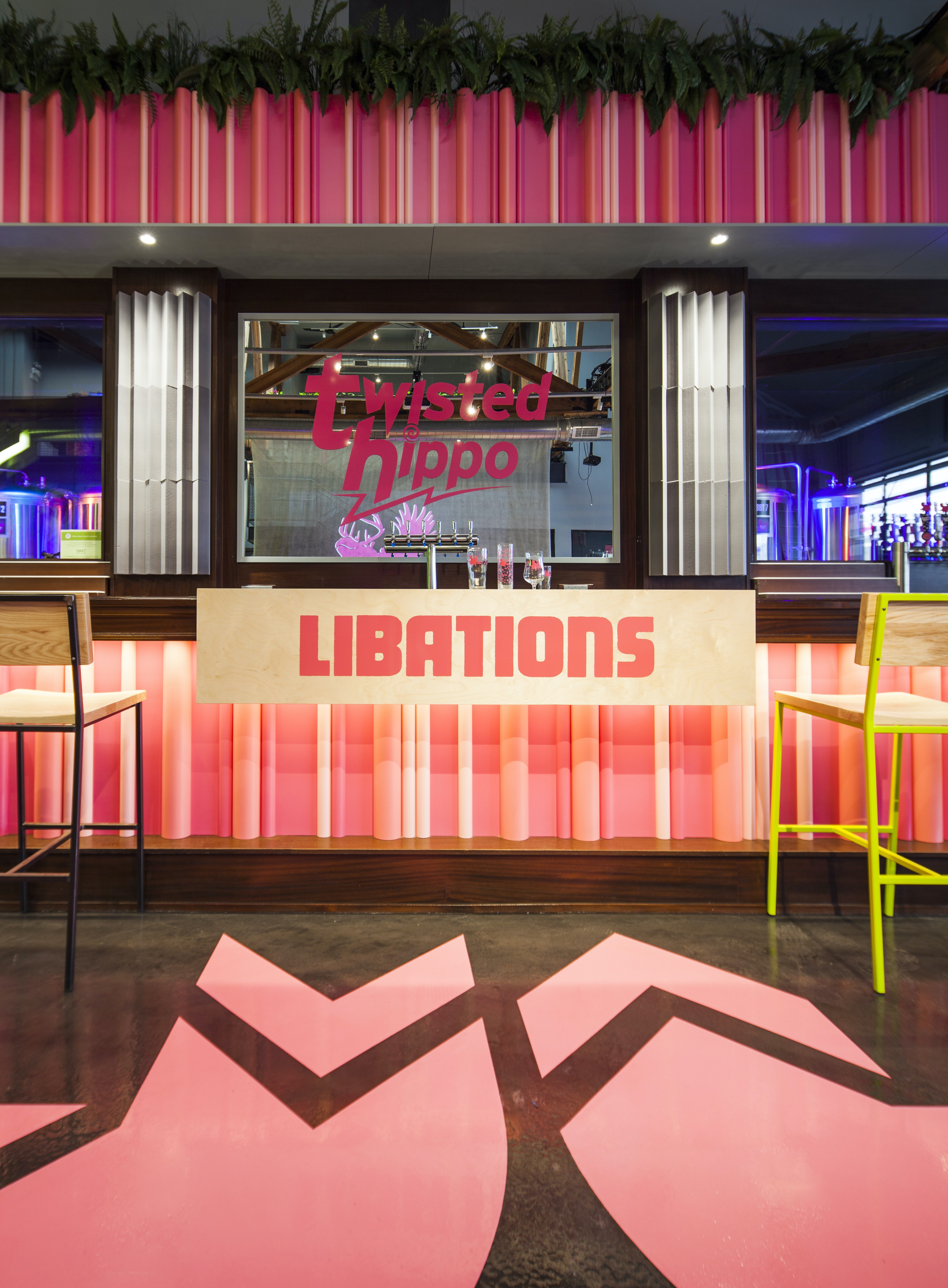
JA: We committed to becoming a practice shortly after doing that competition. The illustrated fairy tale we wrote for the submission became a guiding manifesto. It gave us the strategies we wanted to bring to the world. We think about architecture as an active character with agency, with an equal subjective footing as humans and animals. Fairy tales were the perfect vehicle to express those ideas because in children's stories, nonhumans having agency is built into the genre. That experience helped us determine the name, establish the practice, and set up a website, well before we had any clients. It became a platform for us to pursue smaller commissions after graduating. One of our early clients, the Twisted Hippo Taproom and Eatery in Chicago, was the real impetus to file for an LLC.
SC: Looking back at those early years, how did the expectations of running a firm compare to the realities?
JA: As far as expectation misalignments, it was less about the results of the work from an architectural perspective and more about coming to terms with the realities of running a small business. I don't think we're unique in that way, but it's certainly something we’ve confronted.
ZM: I maintain a full-time position with another firm, and Joseph teaches full-time. So, the studio is a labor of love. Those positions afford us the ability to be more selective of the work we take on. A lot of our projects have been outside typical modes of architectural practice. Hosting a design festival doesn’t align with a standard AIA contract. They’re strange things to put proposals together for, but those types of projects excite us. We don't do a ton of traditional commissions. We're increasingly interested in public art projects. They usually fall somewhere between art, architecture, landscape, and programming. Every project is community-centered and context-specific.
JA: We've had to invent frameworks and business models that don't fit neatly into a cookie-cutter practice. Not to say that what we're doing is heroically unique. We just don’t have models or workflows for how to take on certain assignments at our fingertips. We still find ourselves having to invent them.
SC: While administratively taxing, the work certainly has a distinct joy and energy to it. Can you elaborate on your design process and its evolution?
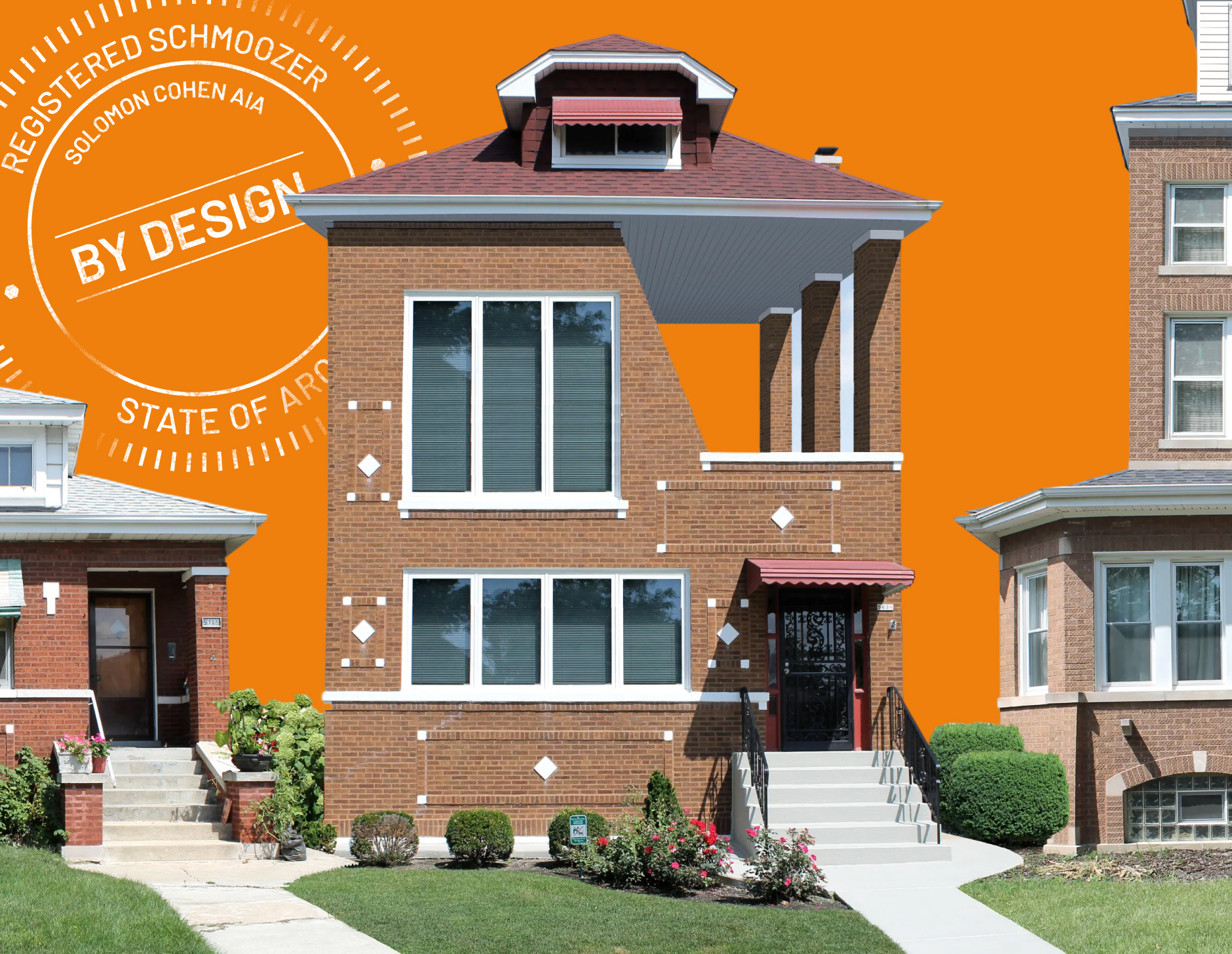
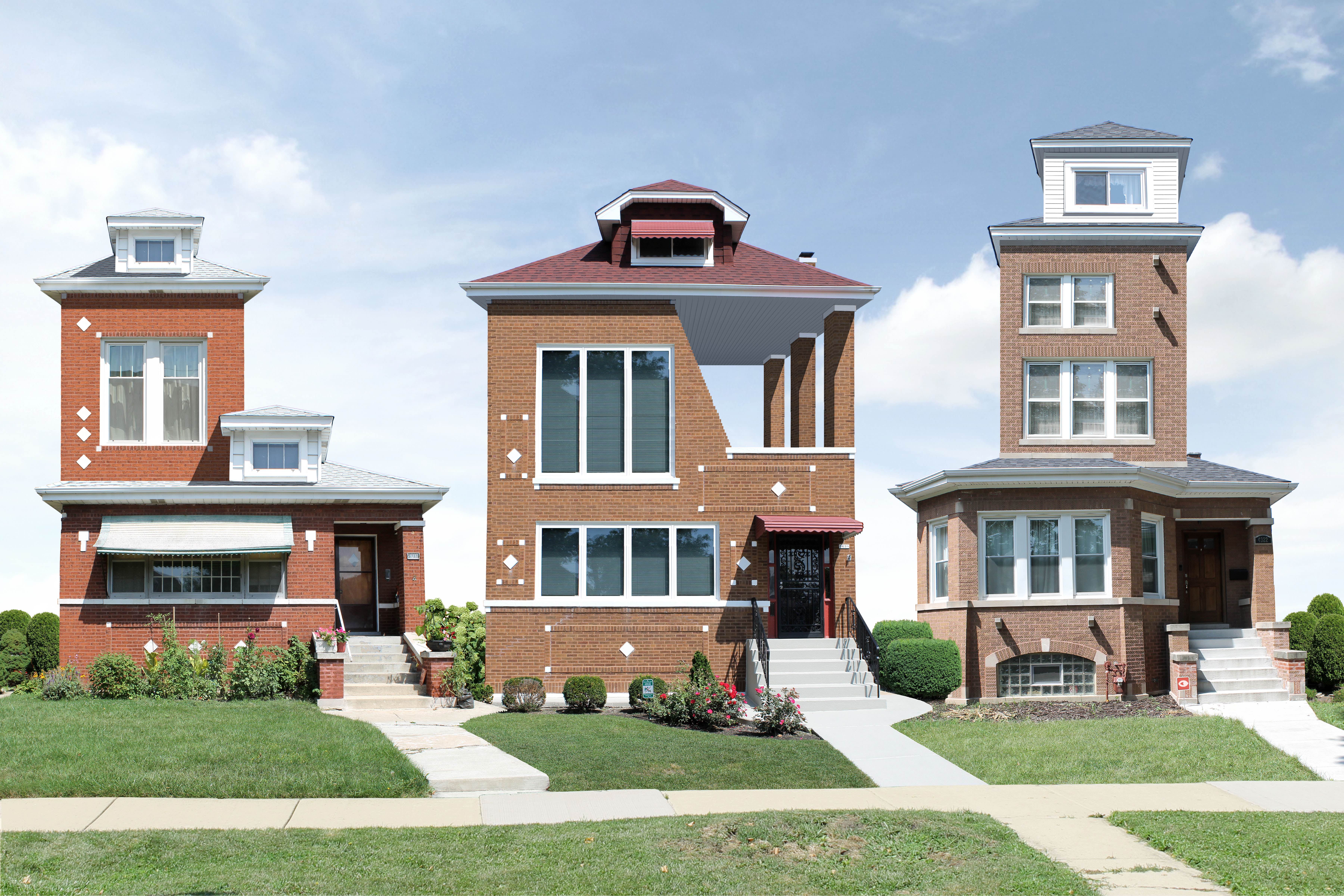
JA: Early in our practice, we co-led a workshop at the University of Wisconsin, Milwaukee, about how architects build audiences. At the time, we were fascinated by stories about people adding less-than-considered additions called “Pop Tops” to classic bungalows around Chicago. They were developer-driven, not super aesthetically pleasing, and certainly not informed by preservation. A local preservation group started a campaign called “Stop the Pop,” advocating against second-story additions to historic bungalows.
It was fascinating to see a mainstream architectural story unfolding in real-time, so we wanted to respond to it. We called our workshop “Once You Pop, You Can't Stop.” We're always looking for new ways audiences can participate in making architecture beyond traditional drawings and models. That's pedagogical, but also practical.
So we took the bait and used pop-up picture books as a device to think about the issue. These low-tech drawings and collages became devices to think about adding onto historic homes. It was somewhere between drawing, collage, and animation. The students actually performed their pop-ups live on camera to a full audience. It was pretty theatrical.
ZM: The projects got a lot of laughs. They were responding to the narrative, but also to the wonky, lo-fi quality of these objects. It grew into something we still seek in our work, whether it’s totally drawn or more concrete.
JA: Speculative representational techniques are an important part of our process. Those academic workshops have been fruitful in testing different approaches over the years. More recently, collaborating with filmmakers has been a great outlet. It’s allowed us to literally animate the mechanisms of architectural representation.
SC: It’s interesting to hear you describe balancing pedagogy and design work, rather than treating them as entirely separate pursuits. How else have those seemingly distinct threads, like community engagement, editorial work, graphic exploration, and construction, taken shape?
JA: Our curatorial work tends to bring those strands together. That's when we have the most intersectional opportunities to set parameters and coordinate different contributors. It isn’t specifically about us or our aesthetic affinities, of which we have many, but a broader set of voices.
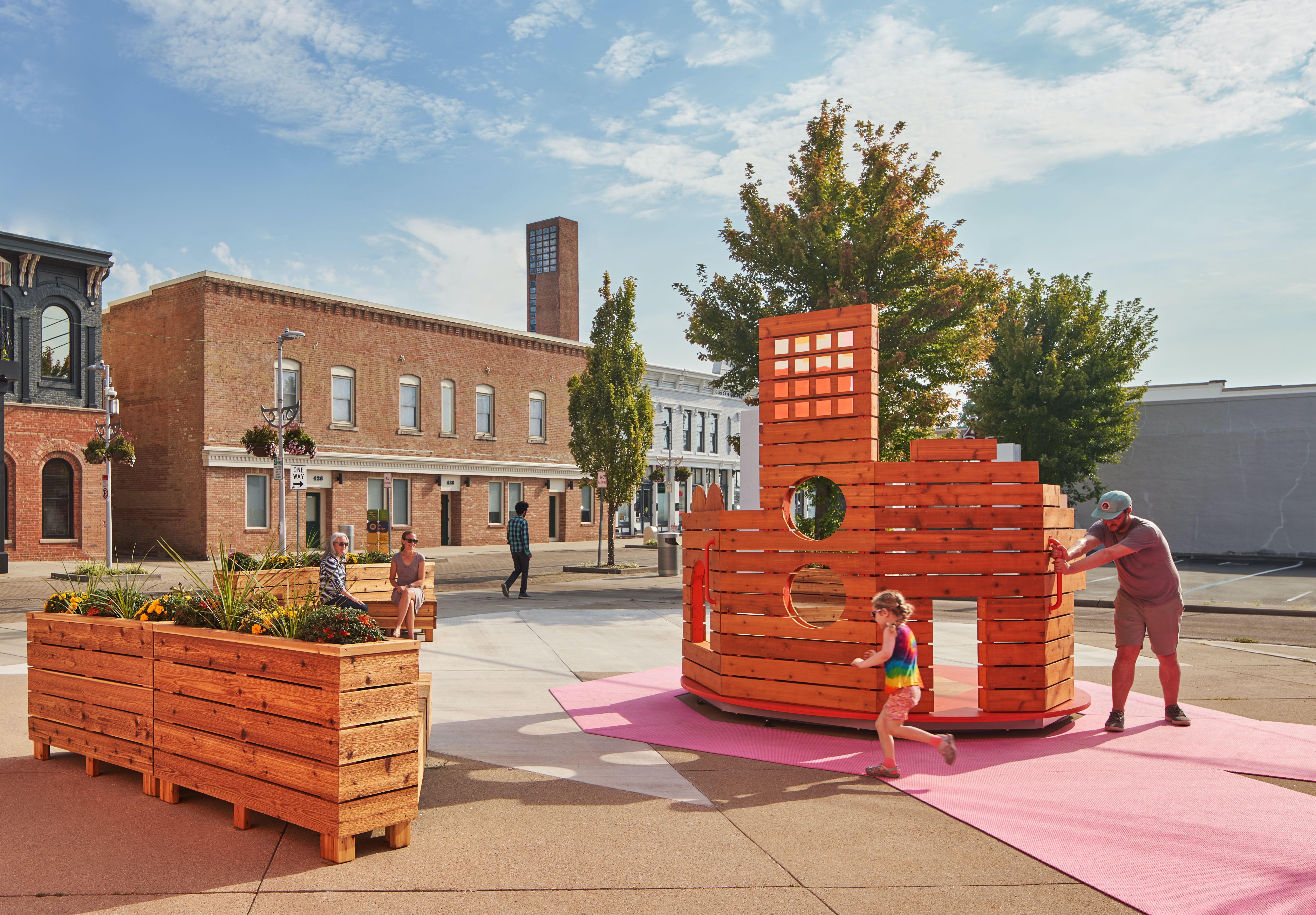
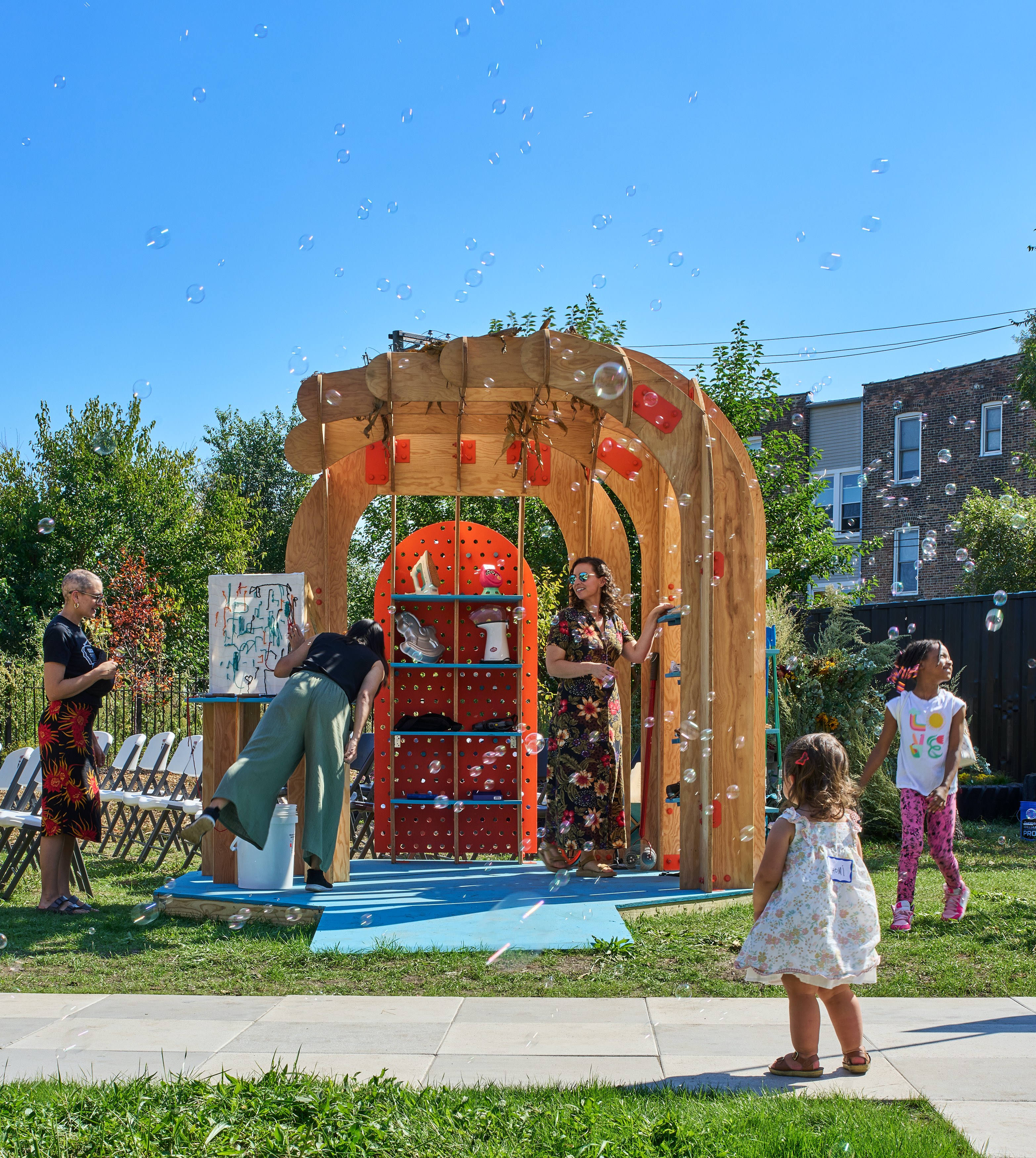
It’s most visible through our role as the Co-founders and Artistic Directors of the Chicago Sukkah Design Festival. Each installation is co-created with an architect and a community organization. After the public-facing festival, each structure is disassembled and relocated within the community to continue serving as a gathering space.
SC: As a Jewish architect, I’m particularly drawn to Sukkot as a vehicle for those conversations. Especially when it comes to introducing people to cultural practices and how they might relate to contemporary life. What are your thoughts on architecture as an educational tool?
JA: These installations are a critical way to realize ideas in the world, as opposed to a more speculative practice. There are so many architects we admire who were amazing storytellers, but their work was never realized at a 1:1 scale. We’re not here to judge that in any way. Paper architecture is full-fledged architecture and can carry just as much weight as any building. But our interest in audience building, and by extension, education and cultural discourse, is about shaping narratives that can teach something. We’ve found that built work tends to have a greater impact than something that exists solely on paper.
That’s architecture’s unique superpower. There’s an energy that's only possible when you can inhabit a space. When people come to the Sukkah Festival, some read our signs, flip through the exhibition catalog, or watch our short film. But the most compelling learning happens through interaction with physical pavilions. We’ve prioritized those encounters in our pursuits.
ZM: That thinking is built into the actual designs as well. Everything from the formal moves to the colors is about being welcoming and attracting audiences. So much of it appears outside the norm, but that’s a playful way for us to foster curiosity and engagement. It highlights the outsized role architecture has in shaping environments. We foreground it in joyful experiences, but we want to provoke questions, particularly in folks outside the discipline. So often, our projects are framed as child-like. We fundamentally believe the world should embrace the qualities associated with childhood. We believe it can be just as good and impactful for adults. But that view has definitely lost us some commissions.
SC: Looking back, how has the studio evolved since its inception? What are some pivotal moments or realizations that have helped shape that direction?
JA: We do an annual retreat to reflect on questions like that. There are certainly things that just unfold organically. In the past four to five years, we’ve been able to become more selective of the projects we take on. We have that privilege in part because of our day jobs. As precarious as things were early on in our careers, we’re certainly lucky to have that stability now. Getting to that point has been huge for us.
Another evolution in our practice is the embrace of public art. It wasn't as intuitive to us early on, but it’s become a way to realize experimental ideas that might not otherwise be possible in more conventional architecture commissions. It's something we want to continue pursuing, both as a way to realize projects and push spatial boundaries.
I see us playing two roles in that arena: one as the authors and one as stewards. We’d like to help steer policy around public art, especially with our interest in finding new ways to target audiences. These policies can help animate architecture and drive the future of urban design.
ZM: That ties directly into how we want people to interact with our work. It’s what drew us to public art in the first place: understanding how to design places and objects that people can literally touch or move or use in some way. That gray zone between traditional architectural and public art commissions is where we’re trying to carve a path.
JA: Most public art is commissioned through a Request for Qualifications (RFQ) process. We don’t neatly fit into a traditional applicant mold for these RFQs. We're often dismissed for not being capital A artists or architects, but we think that’s our superpower. It’s forced us to focus on how to craft more convincing arguments. Our curatorial and editorial work is a great vehicle for that, but the most effective proof is always in sharing realized work.
SC: What are your favorite parts of running the practice? What has been the most challenging or frustrating?
JA: It can be tedious and exhausting at times, but I enjoy figuring out how to articulate what our practice is, whether that's through images, text, portfolios, or films. I love crafting and sharpening our mission. It’s about imagining the world we want to see and figuring out how our practice can advance that vision.
ZM: I’ve always enjoyed drawing. Broadly speaking, I don’t just mean living in AutoCAD. Of course, there’s the project management and development side of our practice, but no matter how busy we get or how big the projects become, I never want the drafting or graphic responsibilities to leave my desk. Even if we build a larger team, I’d still like to draw. And it’s not an ego thing at all, it’s just something I wouldn’t want to give up or hand off. Even if it’s super late at night and I’m pushing to get something out, I love doing it.
SC: If you could go back to that first Fairy Tales competition and give yourselves one piece of advice, what would you say?
ZM: Make more friends outside the school of architecture. You can get stuck in that bubble, but we’ve found so many people outside the discipline that are awesome potential collaborators or clients. Something I really cherish about our practice is that it’s just the two of us. Our skills and interests complement each other, but having an expanded group of people interested in other things would be such a joy to work with. I wish I had been more proactive about that earlier on.
JA: That's a good one. It's boring to say, but I would have pushed myself to learn more about business than I was willing to entertain early on. It ties into Zack’s answer a bit, too. It’s so important to make friends and build community with people outside of architecture. The vast majority of our projects came from the communities we’re a part of outside the profession.
ZM: I appreciate having these conversations. It’s a great excuse to reflect on the practice. All of this has felt like an experiment, from the studio to the work itself. We don’t always know where these pursuits will lead us. We don’t always know where the festival programs or public art projects are going to go, but embracing the not knowing is a necessary part of the practice.
JA: The agency we have to experiment on different project types, audiences, formats, and spaces has been great. The projects vary in size and scale, so it’s challenging to make sense of at times. The work is in finding a clear through line between our approach, our attitude, our values, and our ambitions. We’re never satisfied doing one thing over and over again. Getting our feet wet with different project types that we aren’t experts in brings me joy. Perhaps our expertise lies in our sensibility and engagement in the work. We think there’s a benefit in the curiosity and enthusiasm we bring to these conversations. We're about to start on a commemorative memorial park. We've never done a project like that before. That’s what’s most exciting about it. Having the opportunity and agency to try new things is why we wanted to start the practice in the first place.
* * *
While our focus on resolving technical issues is critical to any architectural practice, the work is ultimately about communication. Every line, every email, every pitch is about shaping understanding and experiences just as much as it is about shaping space. The stories we tell are how we invite audiences to participate in that process.
Breaking out of our professional silos often requires a willingness to operate beyond the usual boundaries of practice. New opportunities don’t always fit into standard models. Sometimes the work is in asking better questions, building new frameworks, and staying curious enough to follow through. Appreciate Joseph and Zack for the encouraging reminder.


.jpg)

.jpg)