
For Scott Hudson, creating his luxury kitchen company, Henrybuilt, was a philosophy-driven endeavor. Founded in 2001 and celebrating its 25th anniversary this year, Hudson focuses on system-based kitchens, which are common in Europe but unusual in the United States. With Henrybuilt products, Hudson prioritizes flow over speed and sustainability over quick, cheap production.
Henrybuilt was named after Hudson’s grandfather, Henry, with whom he spent summers as a child in North Carolina learning the art of carpentry. Hudson worked in journalism and publishing in New York City before moving to Seattle to work at Microsoft. He reconnected with his childhood love of carpentry when he renovated his Washington home.
A Printed Matter
In 2022, Hudson decided he wanted to launch a publication to accompany Henrybuilt. He contacted experienced journalist and editor Tiffany Jow to gauge her interest in starting a magazine for Henrybuilt. The two met when she was working at Surface Magazine, where Henrybuilt previously placed ads. With her extensive knowledge of journalism and architecture, both at Surface and Tod Williams Billie Tsien Architects, Hudson knew she was the ideal person to lead his new venture.
When approached by Hudson, Jow explained that she was only interested in running the publication if it was “not a glorified catalog—meaning, it would not feature any Henrybuilt projects or products.” Jow felt an independently funded and created publication could fill a gap she noticed in design journalism. “I told Scott [Hudson], I think there's a really big opportunity for design media in particular right now. We want journalism. We want criticism. We want long-form stories that actually matter, that aren't tied to promoting a building or a new product.” She continued, “Scott said that if I could come up with an editorial direction that embodied Henrybuilt’s values, I could do it.”
As Jow prepared her proposal for the magazine, she realized that Henrybuilt’s work had looked essentially the same for the past quarter century—a rare quality in a rapidly innovating, growth-centered world. Henrybuilt focuses not on creating new designs but updating its existing ones, “learning from the past and incorporating lessons from previous experience.” This concept became the focus of their magazine: “looking back to look forward.”
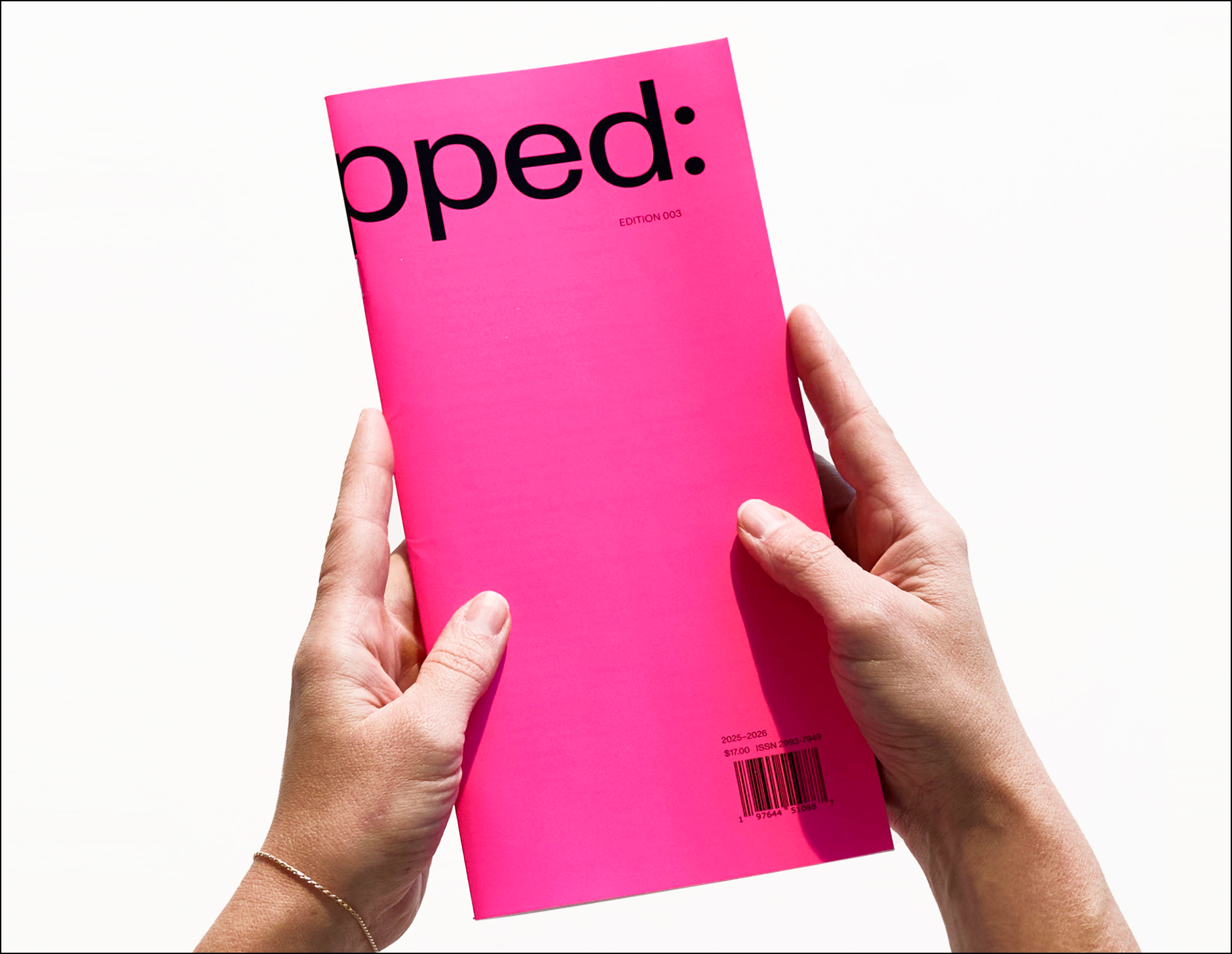
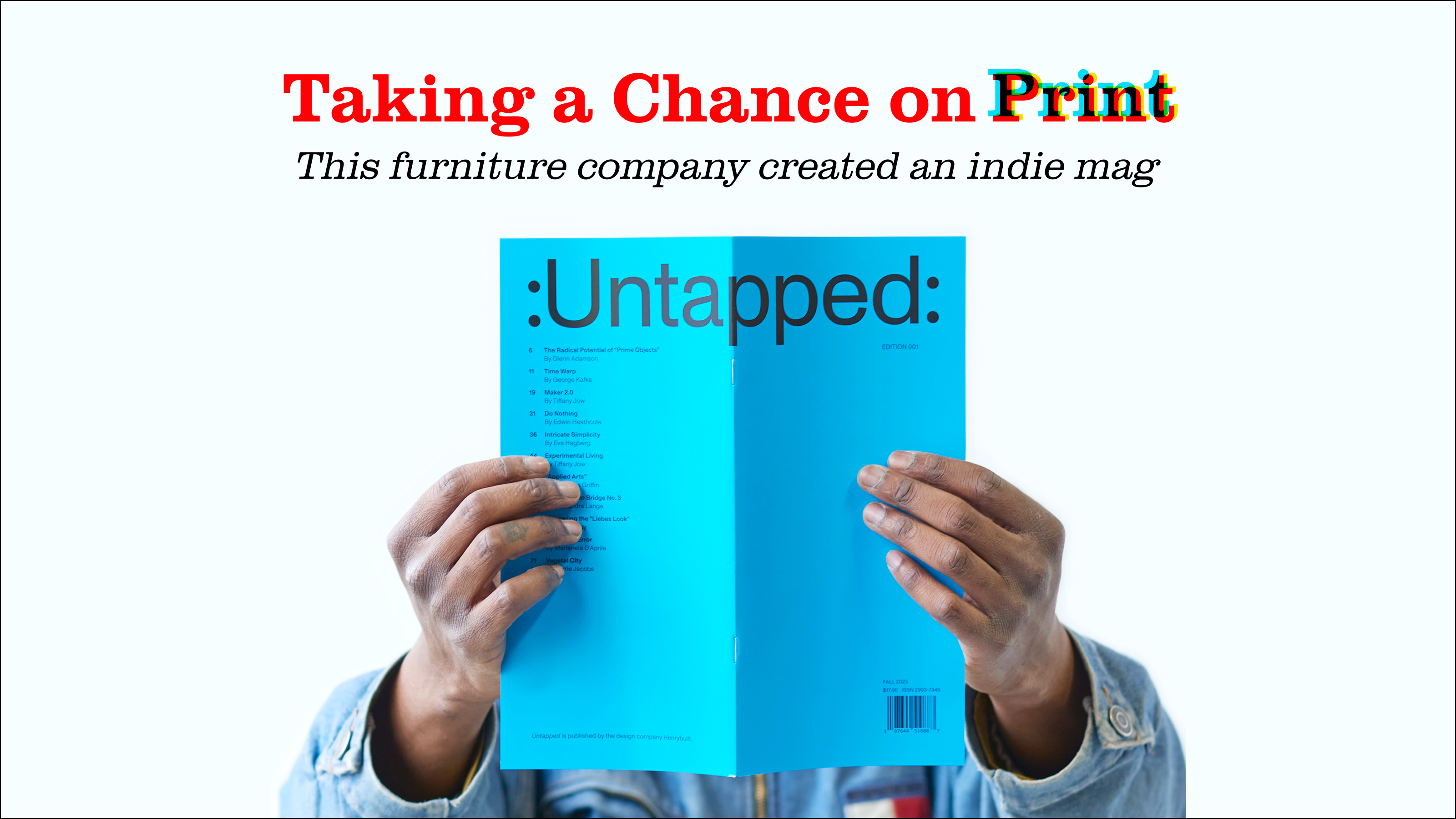
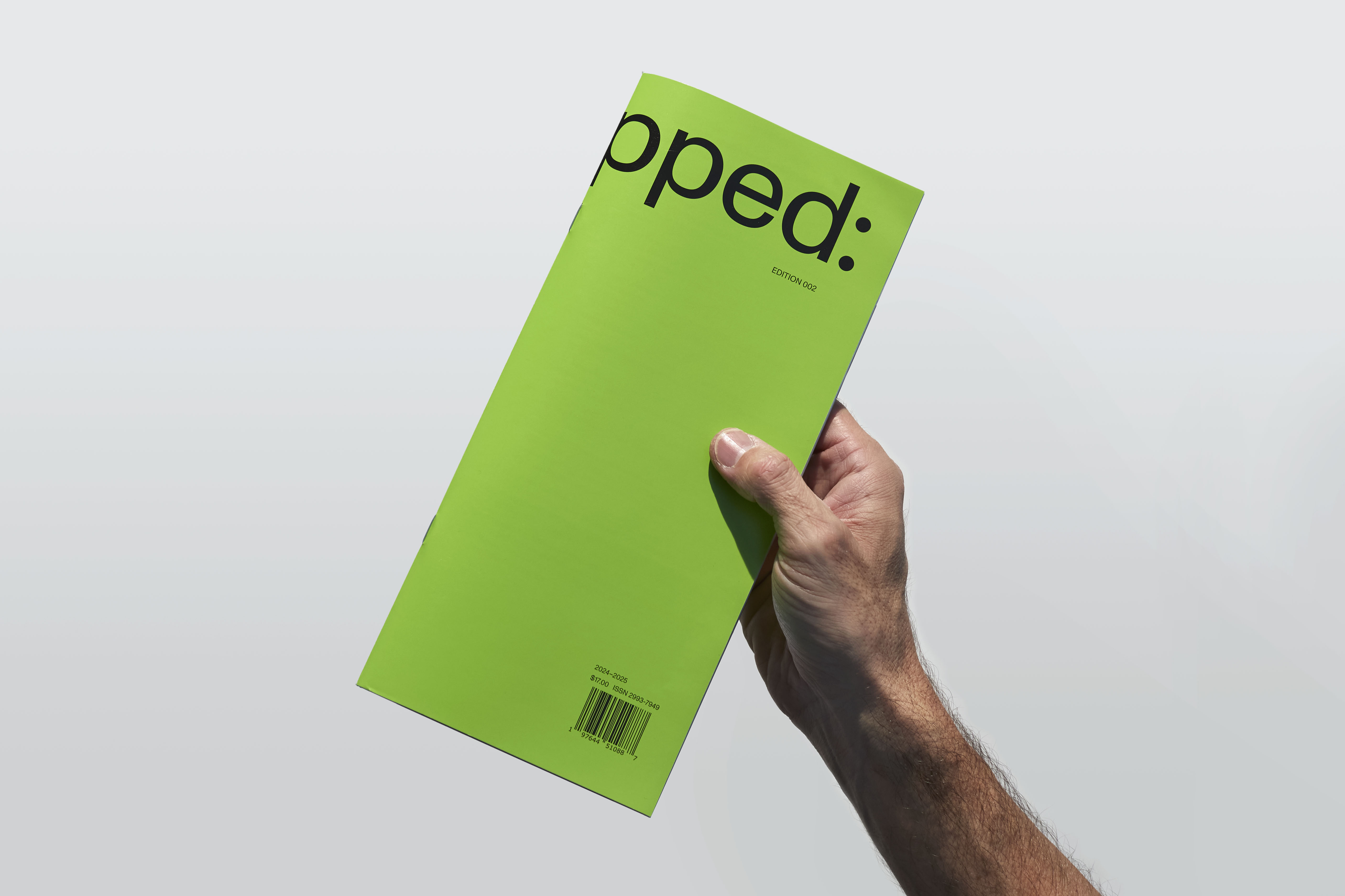
From this conversation and agreement came Untapped, a brightly colored, horizontally narrow magazine, led by Jow’s editorial vision and funded by Henrybuilt. The first issue launched in 2023, and on May 20th, 2026, Untapped released its fourth issue. According to their website, “Untapped’s focus—seeking to understand and leverage the best of the past to create a better future, a guiding principle of Henrybuilt—is what connects the two ventures.” The name Untapped refers to under-explored design concepts from the past that can aid us in looking forward.
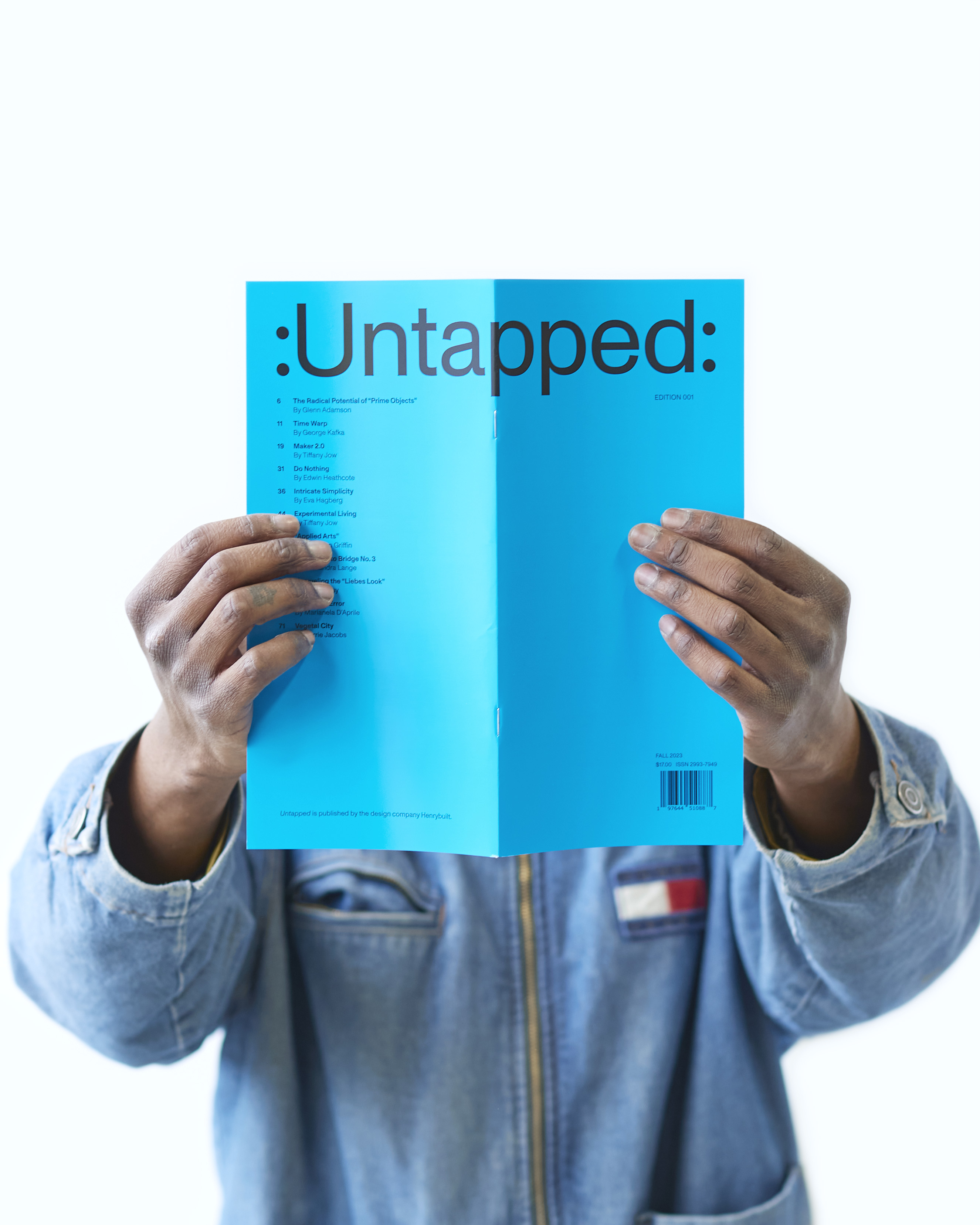
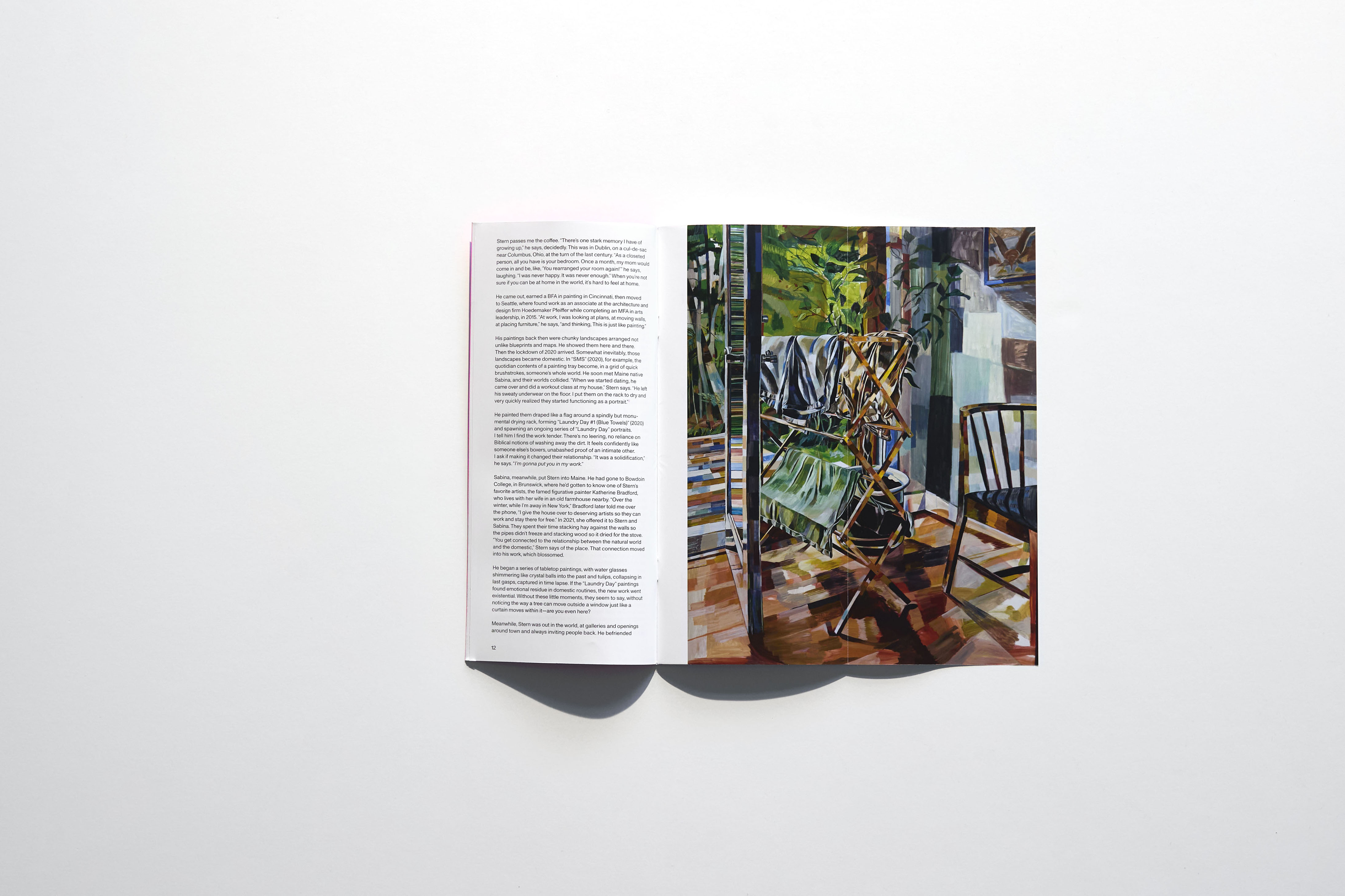
The first issue features a bright blue cover that, when laid out completely flat, reads “:Untapped:” across the front and back cover. The inside pages feature black and white minimalist typographic design, with bright, dynamic fold-out pages and photographs, as well as booklet-style half pages. The magazine is a feast for the eyes, minimalist but colorful and clearly designed with precision and intention on every page.
The Renaissance of Brand-Led Publications
Brands launching print magazines have become progressively popular over the last decade. Some notable examples include WePresent from WeTransfer, WIP from Carhartt, and, most recently, Notebook Magazine from movie streaming platform Mubi. Like Untapped, many of these print publications also have an online component featuring articles that do not directly sell their products, but create discourse around the company’s values. The articles, both in print and online, act not as advertisements for the products but as a strategy to build brand legitimacy, trust, and recognition. For example, The Creative Independent from Kickstarter spotlights creatives, showing their investment in artistic endeavors, which closely aligns with its entrepreneurial fundraising platform. Notebook Magazine from Mubi features film commentary and interviews with filmmakers. The Furrow from John Deere focuses on nature-related pieces.
Untapped follows a similar model. Its pages feature articles like “Intricate Simplicity: By deftly tweaking everyday objects, Roy McMakin evokes the weight—and love—of the world.” Projects like “The House I Grew Up In” explore stories about people’s childhood homes from around the U.S. Hudson explains, “We want to make sure the content is aligned with our work area of focus. So we're getting more and more focused on the home.”
Print media expert Megan Schertler, Co-Founder & Managing Director of In Real Life Media, briefly consulted with Jow and Hudson for Untapped. From Schertler’s perspective, a good brand-led publication “understands that the value is actually investing in their culture and their industry. Not about immediate sales.” Untapped, she feels, is successful because the “trust it builds with its audience is so deep and it's so strong, that it has a long-term effect, and that's how you build loyalty.” When comparing Untapped to other brand-led publications, she “can't even think of one other example that's doing it as well.” More luxury brands should consider the print-forward playbook. “We want to feel like luxury is actually a part of moving culture forward.” Untapped’s ability to create thoughtful leadership through journalism and design illustrates a commitment to exactly that. For example, Jow created the Untapped Knowledge Map, an interactive map connecting thought leaders in the architecture and design industry.
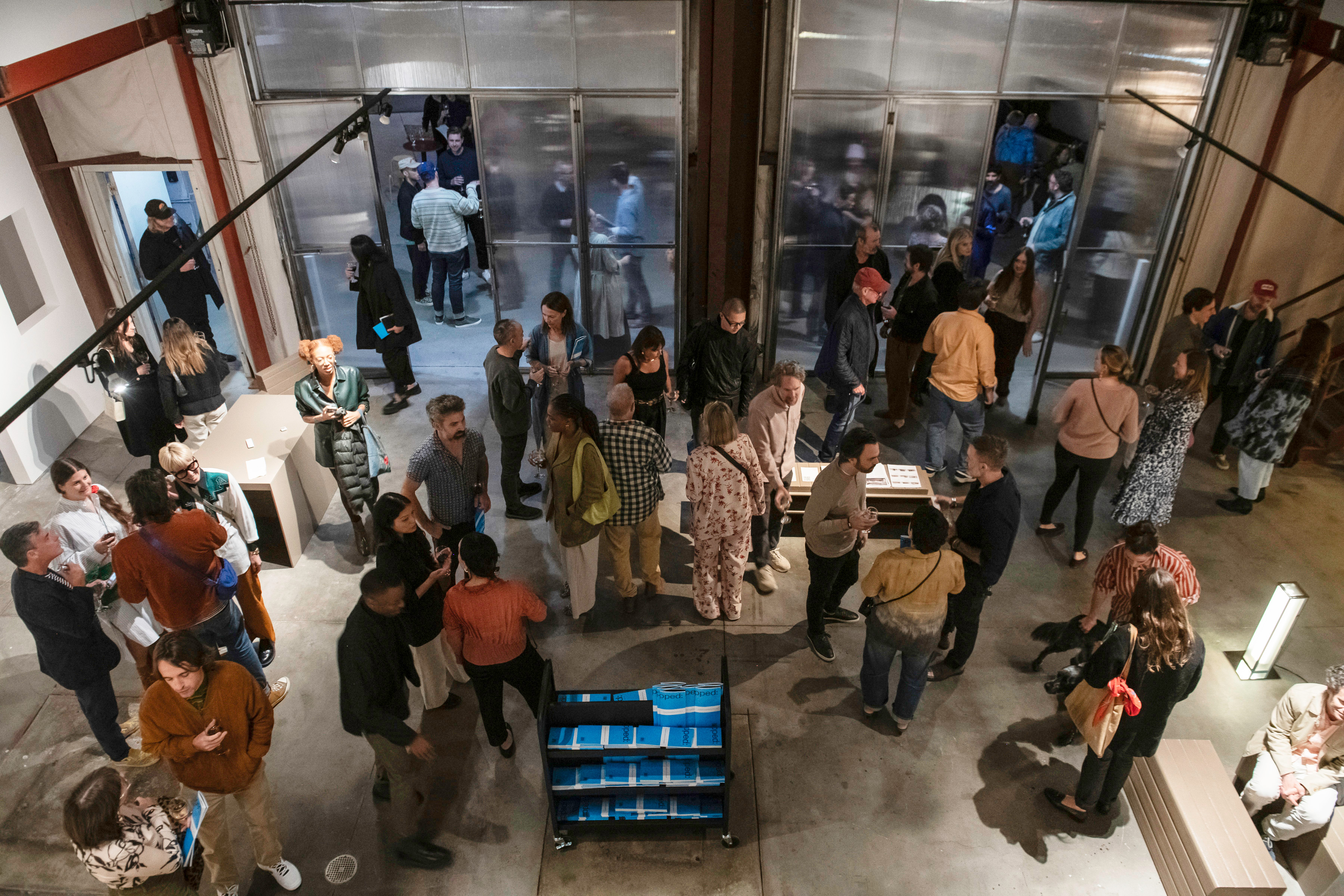
In the majority of these brand-created publications, the visual branding is vastly different from the companies that fund them. Henrybuilt’s branding suffuses with neutral colors, creating a minimalist, luxury feel. Untapped, in contrast, is neon and bright, modern and dynamic. The visual brand identity is completely different: new fonts, colors, and logos. One of the few subtle indications that Untapped is funded by Henrybuilt, is a small piece of text on the back of every issue stating, “Untapped is published by the design company Henrybuilt.” The stark contrast between the two brands creates a mental separation that encourages the reader to trust the content they consume. The brand-funded magazine doesn’t feel like an ad, but a source of legitimate journalism. The goal is not a bait-and-switch, but the outcome could feel that way to readers who are oblivious to the very subtle undercurrent of advertising of the parent company.
Print in the time of AI
Why the sudden popularity and increasing number of brand-led publications? With the rising presence of AI, people crave authenticity and reliable information. AI is eroding trust in online information. If a business can be trusted to do thoughtful research on topics important to the brand, this builds trust in the brand as a whole. A study from the University of Kansas found readers trust news less when AI is involved, even when they don't understand to what extent. But the question remains, how can people know if AI was involved in the first place?
Schertler explains that an investment in the time and money it takes to create print is a signal of legitimacy to the brand’s consumer base. With AI and the excess amount of information online, “The bluff's gonna be called more and more. If I can get your content anywhere else, why would I be loyal to you? So it's like, thinking about doubling down on niche, doubling down on point of view, doubling down on print.” She continues, “In this new AI era, [print is] only going to become even more valuable. When it comes time to build loyalty, you have to work with print.”
At the 2026 Cover to Cover Indie Magazine Conference, Schertler gave the presentation “Print Isn’t Nostalgia. It’s Bedrock,” in which she argued, “Smart advertisers and partners are circling back toward trusted print environments. They are not just buying access. They are buying adjacency to: standards, curation, cultural legitimacy, intimacy, and slower, more absorbed attention.” Her claim? We are not in a content crisis, but a credibility crisis. “Content is now cheap to make,” she posits. What is not cheap? “Commitment, curation, editing, restraint, point of view, and physical execution. A printed magazine still signals all of those things.”
This brand-funded publication model raises many questions: What value does this add to the company financing it? Is it profitable? Should more brands do it? Jow and Hudson constantly walk the financial line to ensure Untapped is a worthwhile investment for Henrybuilt. According to Hudson, “The hard part is to make it make sense in terms of business. “It has integrity, how we're doing it. We're paying writers a good amount and we're being really careful about what we're writing and what we're doing in terms of events.” He explains that, for example, “it would be difficult to justify it to a private equity firm,” as the direct benefits are difficult to quantify. However, he adds, the indirect benefits are many: Untapped, he says, “creates connection in the community [...] It makes potential partners realize the depth of the company. And it does shape the brand. The brand probably feels smarter because of Untapped.”
Should other businesses follow in this print publication model? The answer is unclear. Yet, one cannot deny the rising trend in company-led print publications, revealing a larger societal trend. In the age of AI slop, companies are searching for ways to distinguish and legitimize themselves. An investment in print, in paying journalists, designers, and editors, is a clear way for companies to set themselves apart from businesses that are leaning further into machine learning. In a time of eroded trust in the media, print offers a valuable alternative.
Hudson always wanted his furniture business to be philosophy-first. In a competitive landscape powered by consumerism and efficiency, Henrybuilt has taken a risk by investing in slow media and thought leadership. And much like a well-constructed cabinet, print is made to last.


.jpg)

.jpg)