
The manufactured scarcity mindset informed by AI marketing cycles is pushing a "return to craft" as a fleeting aesthetic rather than an age-old practice. Seattle-based design studio Pentograph demonstrates that the rigor and intentionality of the maker’s process never left; it evolved.
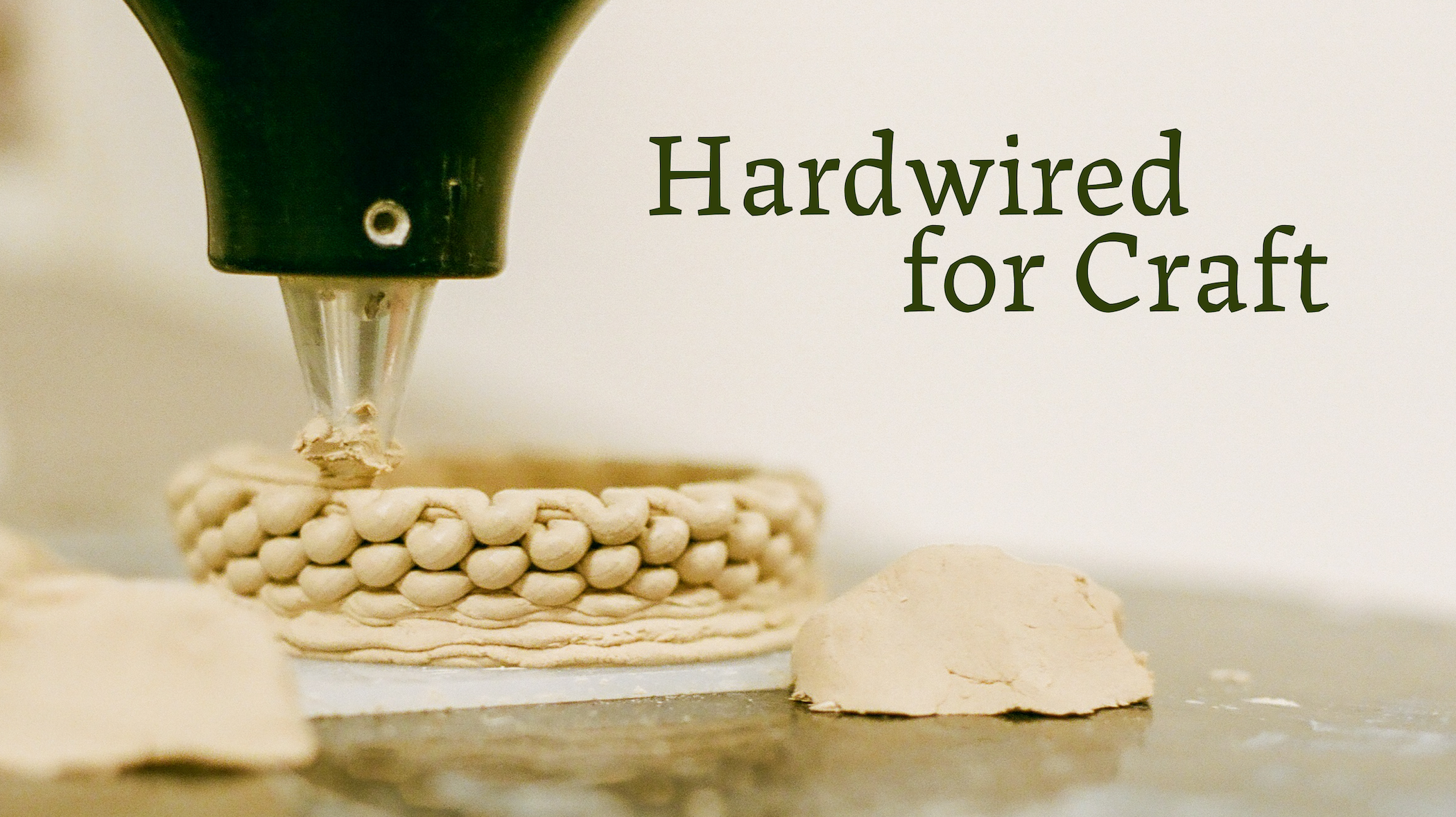
Operating at the intersection of high-end architectural fabrication and raw material experimentation, Pentograph derives its name from its two founders. “Pen” comes from Jennifer Thuma’s affinity for sketching and “Graph” from Phirak Suon’s technical prowess. Established in 2024 as the exploratory arm of Grayscale Design Studio, their practice draws on a diverse foundation of architecture, lighting, glass, and ceramics. Today, the studio is pushing the boundaries of the five-thousand-year-old tradition of ceramics through three-dimensional clay printing.
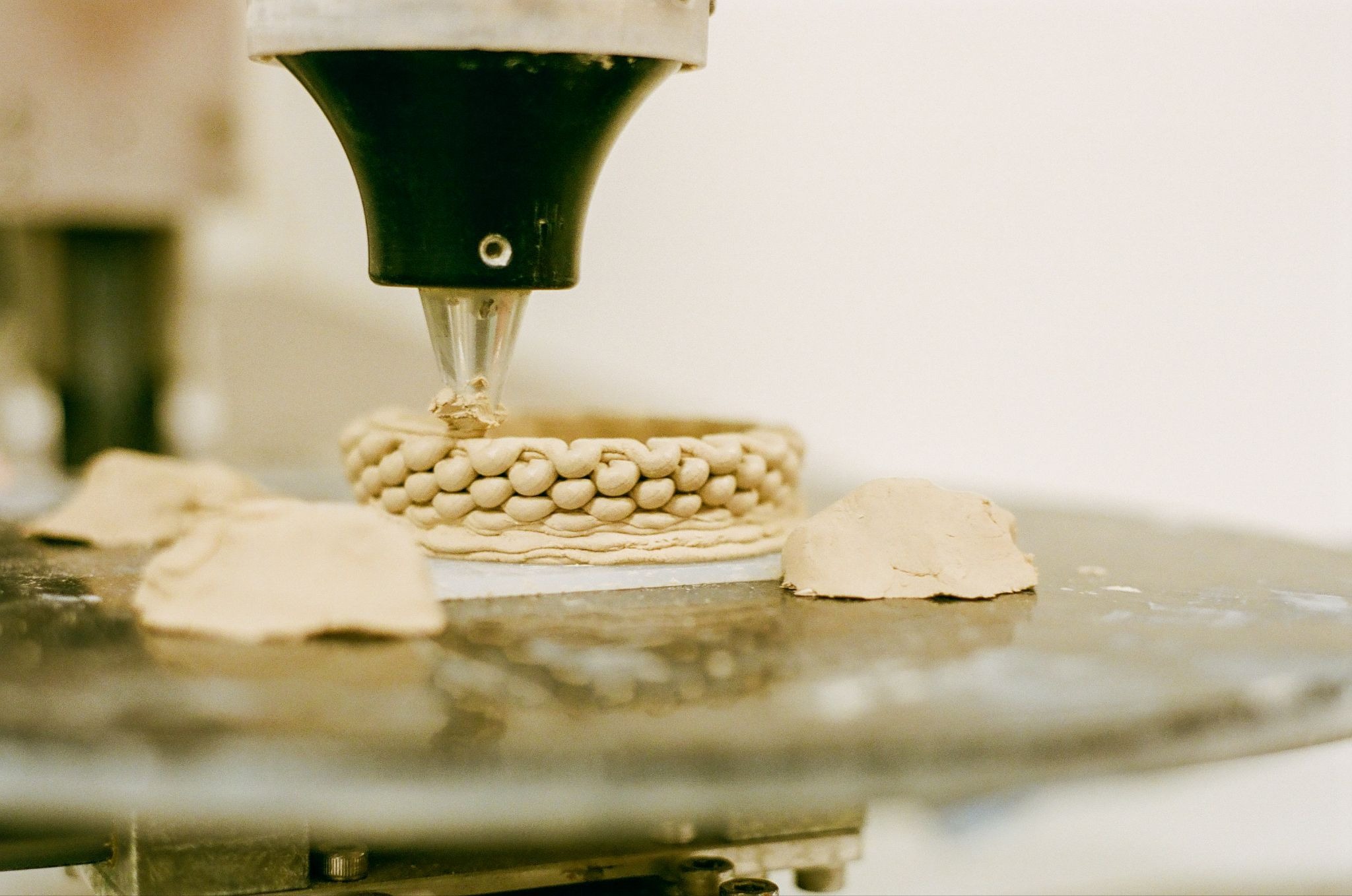
Suon’s interest in the digital isn’t fueled by a desire for relevance but by a passion for complex problem solving. “The tension between technology and the analog nature of clay is the most interesting part,” Suon says as he showcases a five-foot-tall 3D printer, confidently following his meticulous code. Although the code is only an invitation, the clay still has the final vote. As the printer extrudes layer upon layer, the clay is subject to the same atmospheric pressures of humidity, gravity, and “slump” that have challenged potters for millennia. Thuma explains the limits of a kiln-fired porcelain clay lamp shade and the physics of scale versus the fragility of form and material. The pair’s collaborative energy is undeniable, emulating the precision of Seattle’s most artisanal team sport, glassblowing.

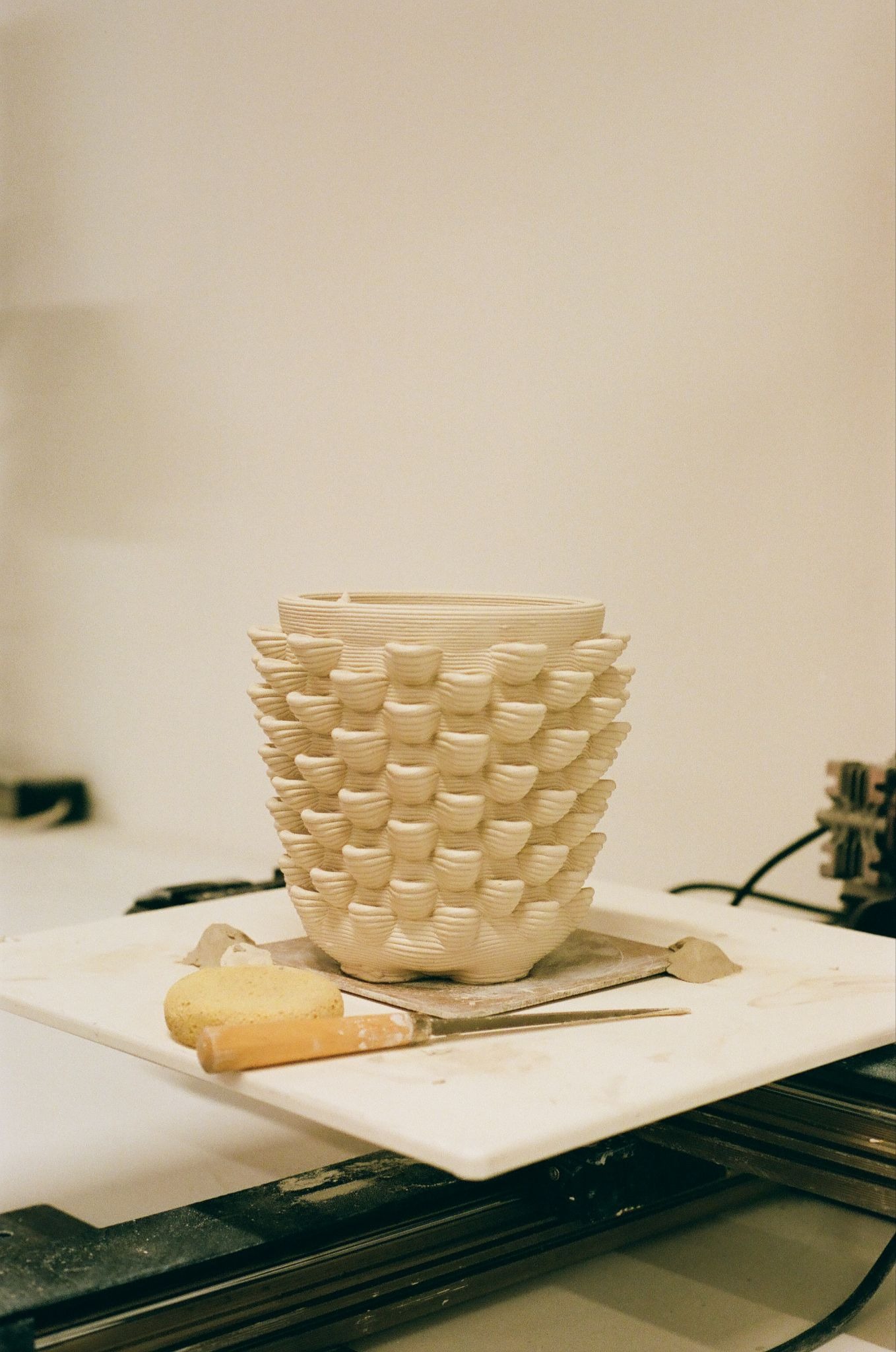
Suon and Thuma simply want to know how things work. Practically, Pentograph exists to find solutions. “We’re reaching into dimensions where automation and craftsmanship meet, to find creative resolution for people’s needs. Just because you have tools doesn’t mean you have a functional result,” shares Thuma. This refusal to compartmentalize extends to how the studio meets its audience. Pentograph has found a niche in the botanical world, engaging with a live community of collectors via Palmstreet, a livestreaming e-commerce app. These sales are more than a digital storefront; they are a vital feedback loop. By bringing their wares, which are often experimental vessels for rare plants, directly to a live audience, they’ve created a self-sustaining cycle of innovation. This direct engagement provides the proof of concept for their material trials and directly funds the continued experimentation required for the intentionally fluid and ever-evolving identity of Pentograph.
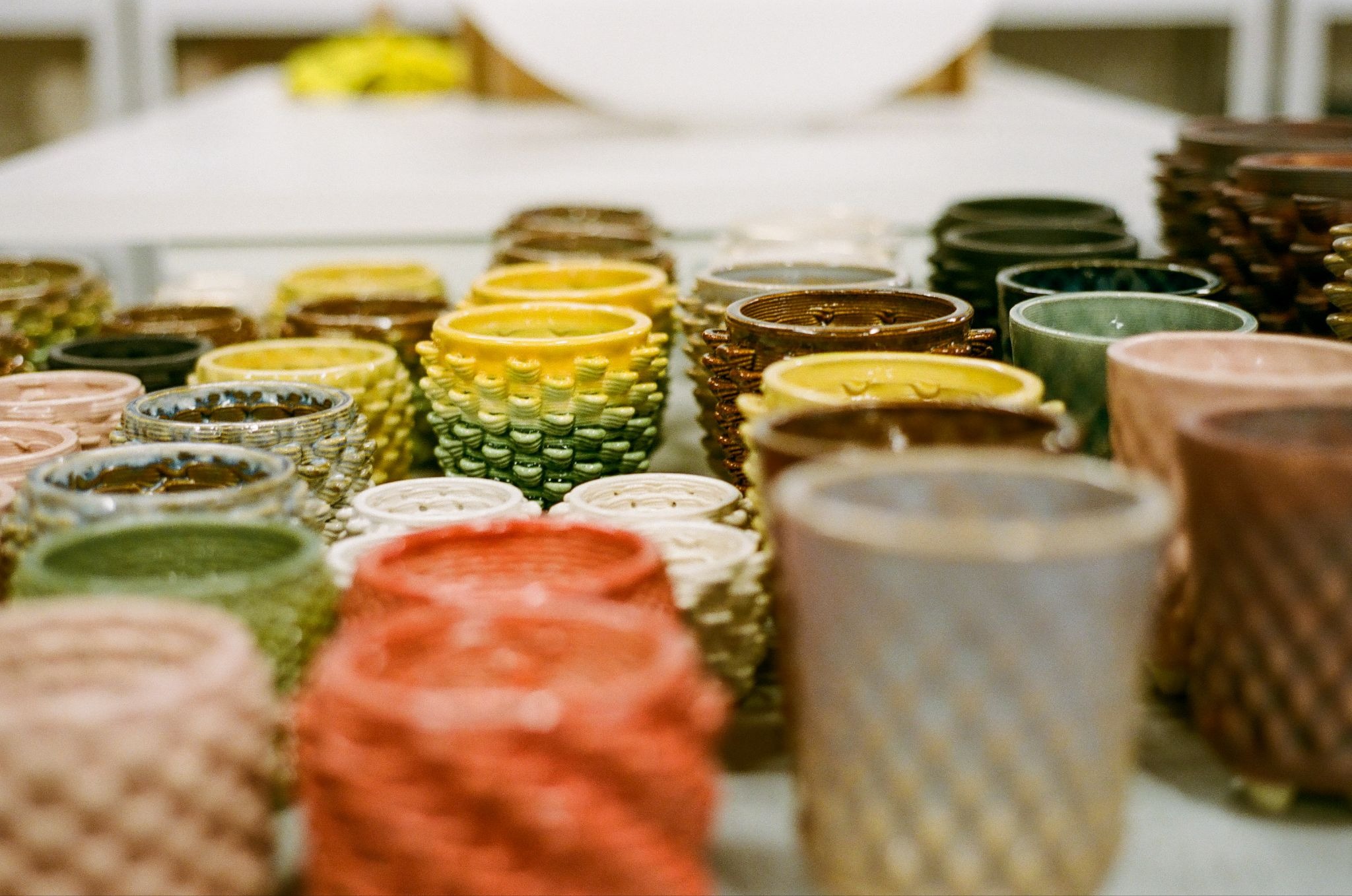
In the end, when a Pentograph fixture is illuminated, the digital origins of its geometry fade into the background. The light passes through the tiered ridges of the translucent porcelain, revealing a texture that is both ancient and emergent. The creative resolution isn't found in the software or the clay alone but in the studio's refusal to see them as separate worlds.





.jpg)

.jpg)