

Ah, Bumbershoot. The one weekend in Seattle when you can see every aspect of the city represented and crammed into the same square mile.
This year, the grunge heads of the ’90s are the oldest they’ve ever been, and the newest cool kids are the youngest they’ll ever be. But somewhere in between, something else seemed to be bubbling up.
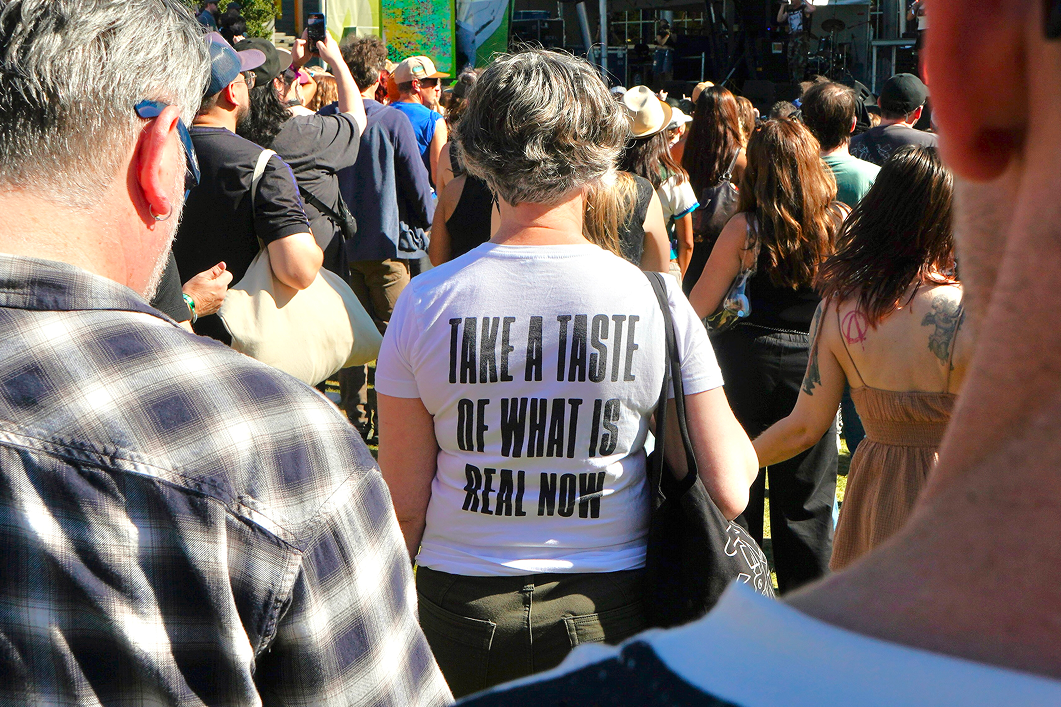
The festival, previously run by One Reel in partnership with AEG Live, was taken over in 2022 by New Rising Sun. That new ownership came with a 15-year contract, meaning this was only year four of what will hopefully be another 11 years. So for its fourth year in operation, I say: cheers to 11 more.
After a three-year hiatus from 2020–2022, this felt like the first year the festival was finally back to the energy local crowds had grown accustomed to in earlier years of the festival. And don’t take that just from me, I genuinely had, or overheard, this conversation close to a dozen times throughout the weekend.
“This feels like Bumbershoot again.”
The people were out, and the people were loving it.
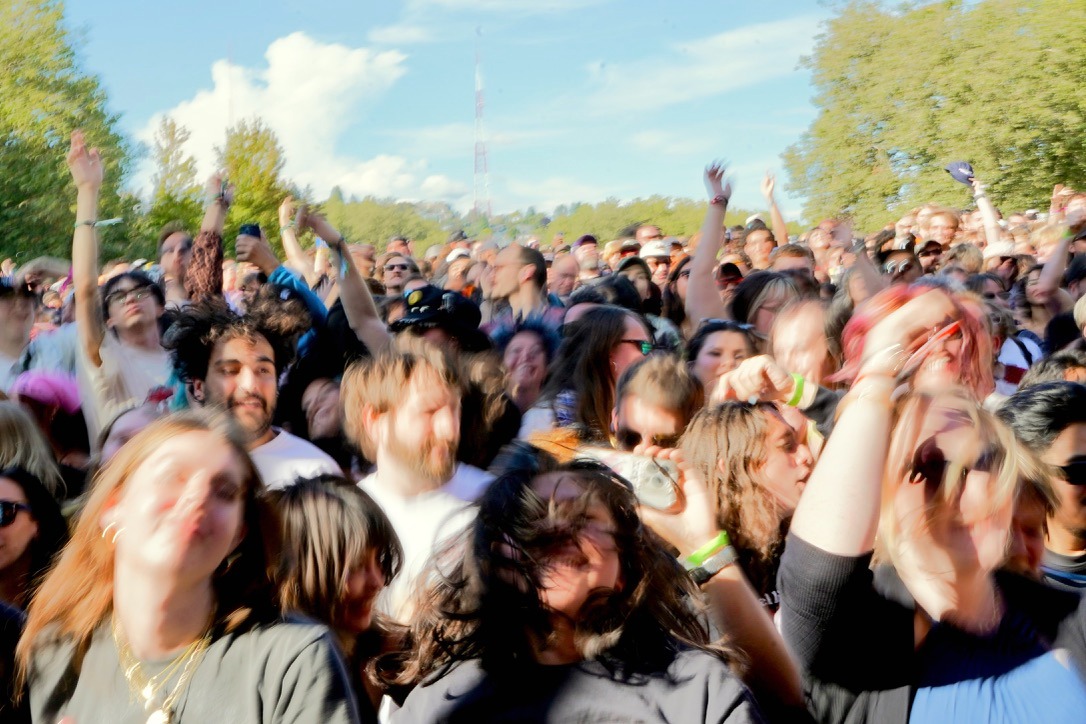
There was something about the festival this year that seemed to loosen people up. Maybe it was the lineup. Maybe it was the weather. Maybe, after this summer’s FIFA takeover, Seattle finally realized that it is good to interact with one another. With both days sold out ahead of the festival, the event felt like scraping the jar for whatever final energy this summer has left to offer.
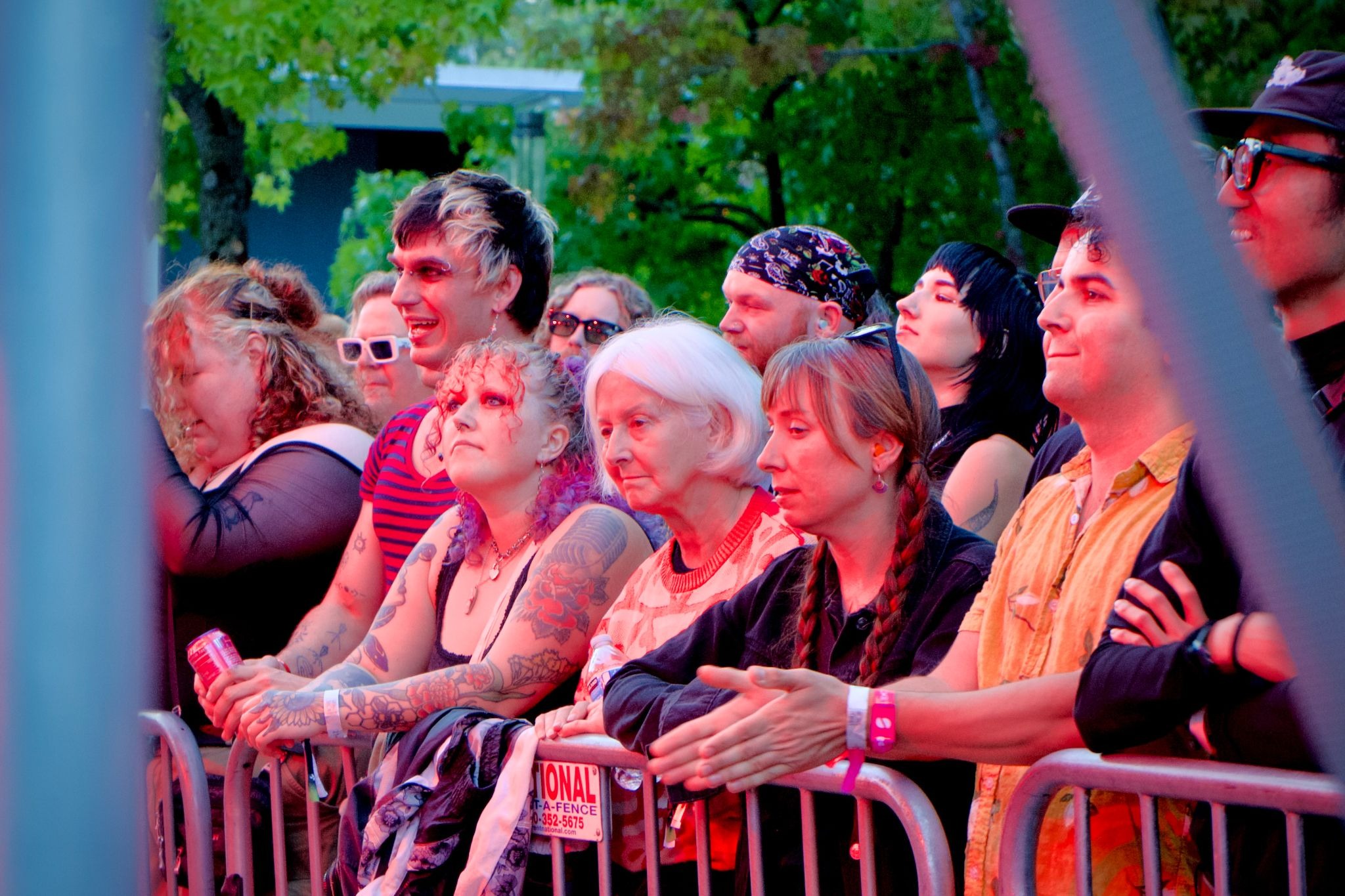
Vintage band T-shirts stood next to merch from bands that didn’t exist five years ago. Gray hair stood alongside bleached hair, shaved heads, mullets, glitter, tattoos, and enough distressed camo hats around to think you were on a gun range.
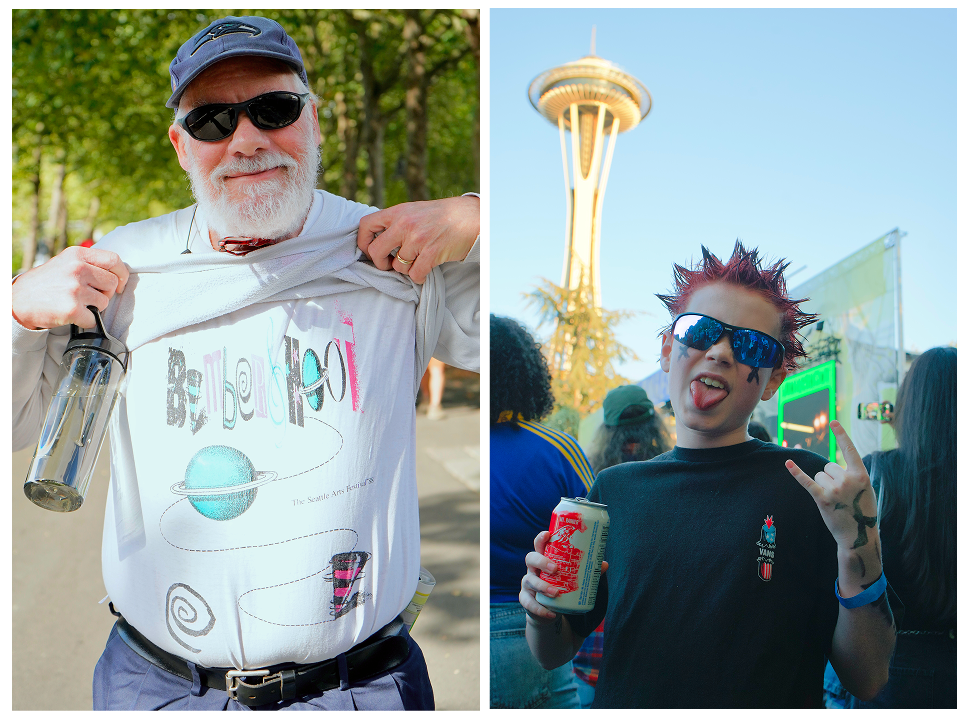
Seattle’s cultural identity has always been a bit contradictory. It’s a city that loves its history while constantly trying to reinvent itself. A place that can romanticize the underground and simultaneously rush to commercialize it into a T-shirt.
And now, the same city that once exported grunge to the world watches younger artists build entirely new versions of that restless energy in their own less-broken-in pair of Doc Martens. Only this time, many of these artists don’t owe their sound to Seattle at all.
With artists like Turnstile, Bikini Kill, and Sextile on the same bill, Bumbershoot became the mixed bag it always strives to be. Classic rock meets hardcore meets post-punk meets whatever-they’re-calling-it next. Songs about screaming, dancing, fighting the system and everything in between. Generations that couldn’t legally enter the same bar suddenly occupy the same patch of Seattle Center grass to sweat it all out together.
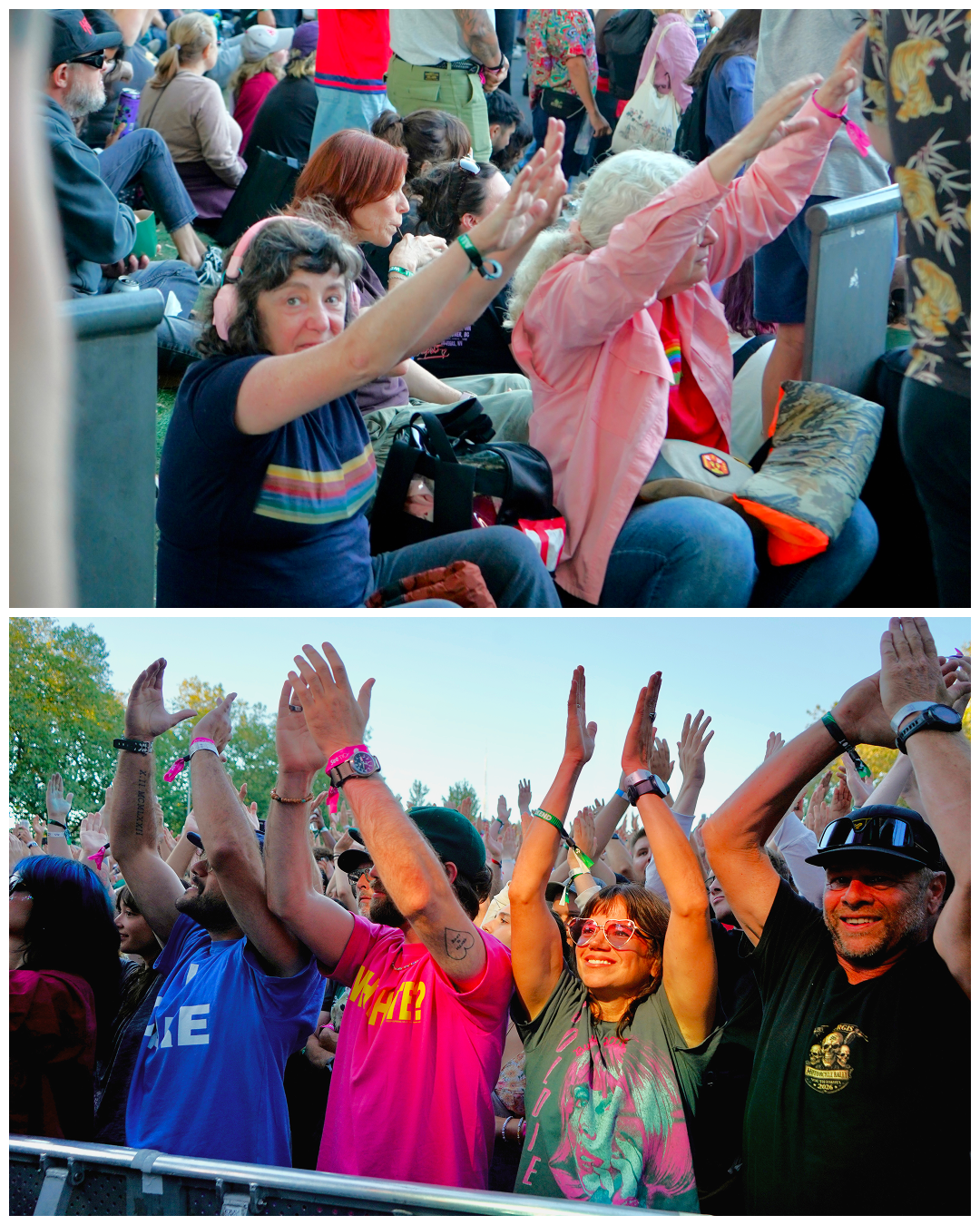
Moms overzealously eyeing a mosh pit from the back of the crowd while their kids slept soundly on the blanket beside them. Grandmas with soundproof headphones and larger-than-life smiles. Kids sporting their first set of liberty spikes. For one weekend, nobody seemed particularly concerned with where the scene started or where it was going. They were just in it.
If Bumbershoot 2026 was any indication, Seattle isn’t having a revival.
It’s having a conversation with itself.
Maybe that’s what happens when a city gets old enough to look back at what it built, while still being young enough to want to tear it apart and make something new.
For one weekend, the old heads, the new kids, and everyone caught awkwardly in between showed up to the same place, listened to the same music, and reminded each other that a scene doesn’t have to belong to one generation to still be alive.



.jpg)

.jpg)
