
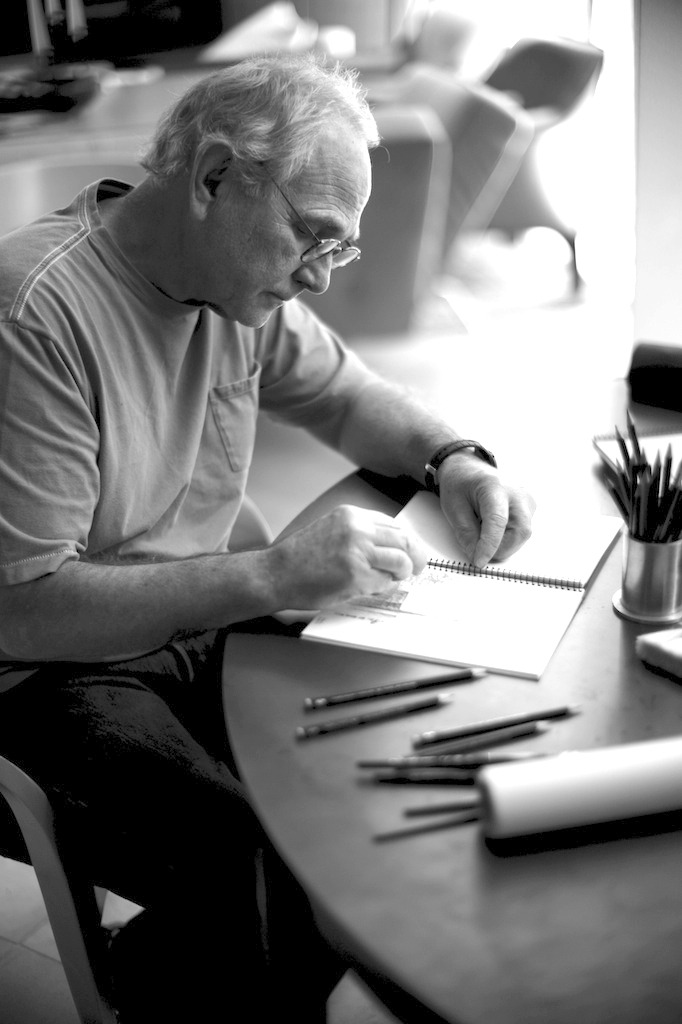
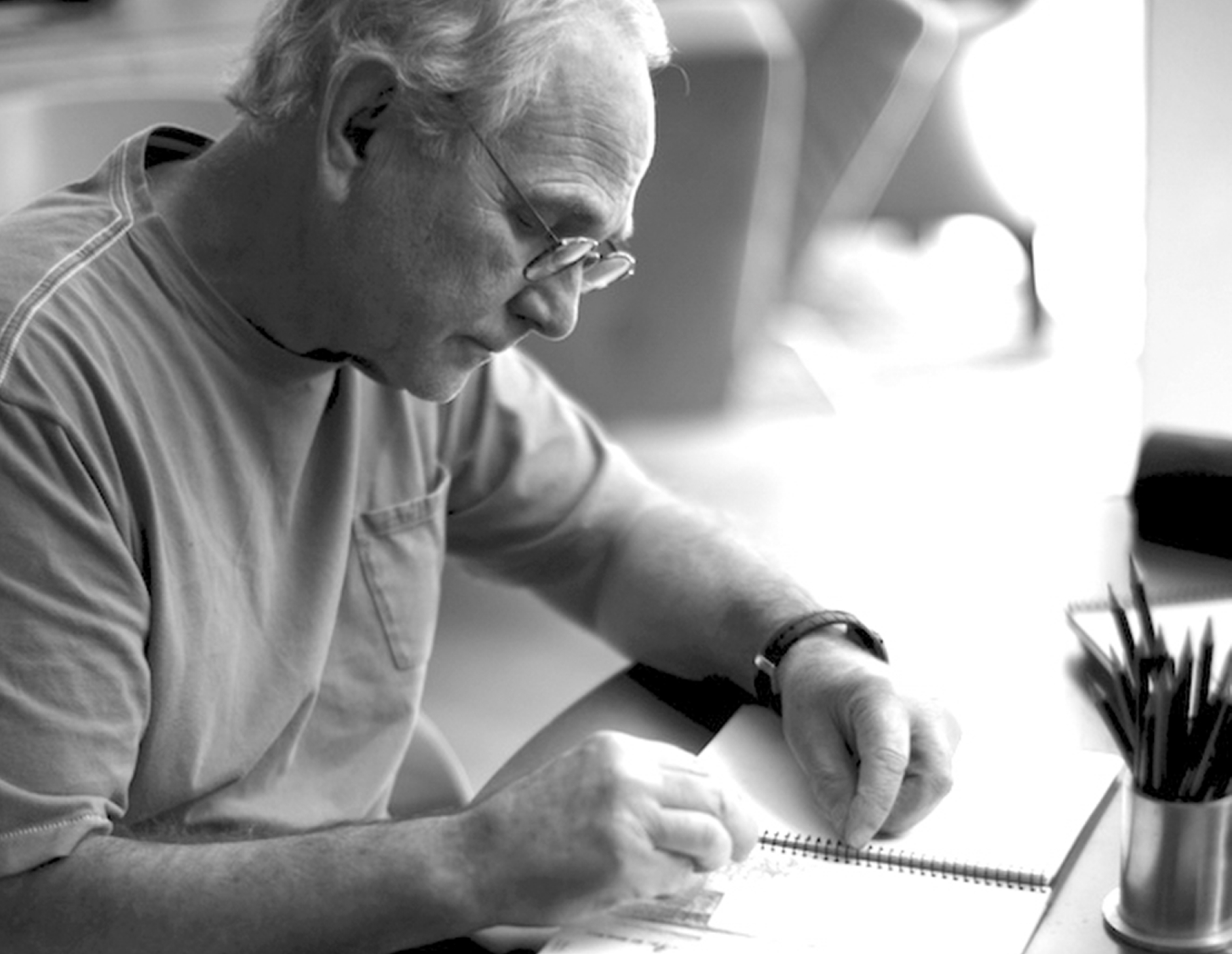
ARCADE announces the passing of Richard “Rick” Sundberg, FAIA, notable Seattle architect, on July 12, 2026. Rick was born in Seattle in 1942 to a family of contractors and soon followed in their footsteps, graduating from the University of Washington School of Architecture and Urban Planning in 1966.
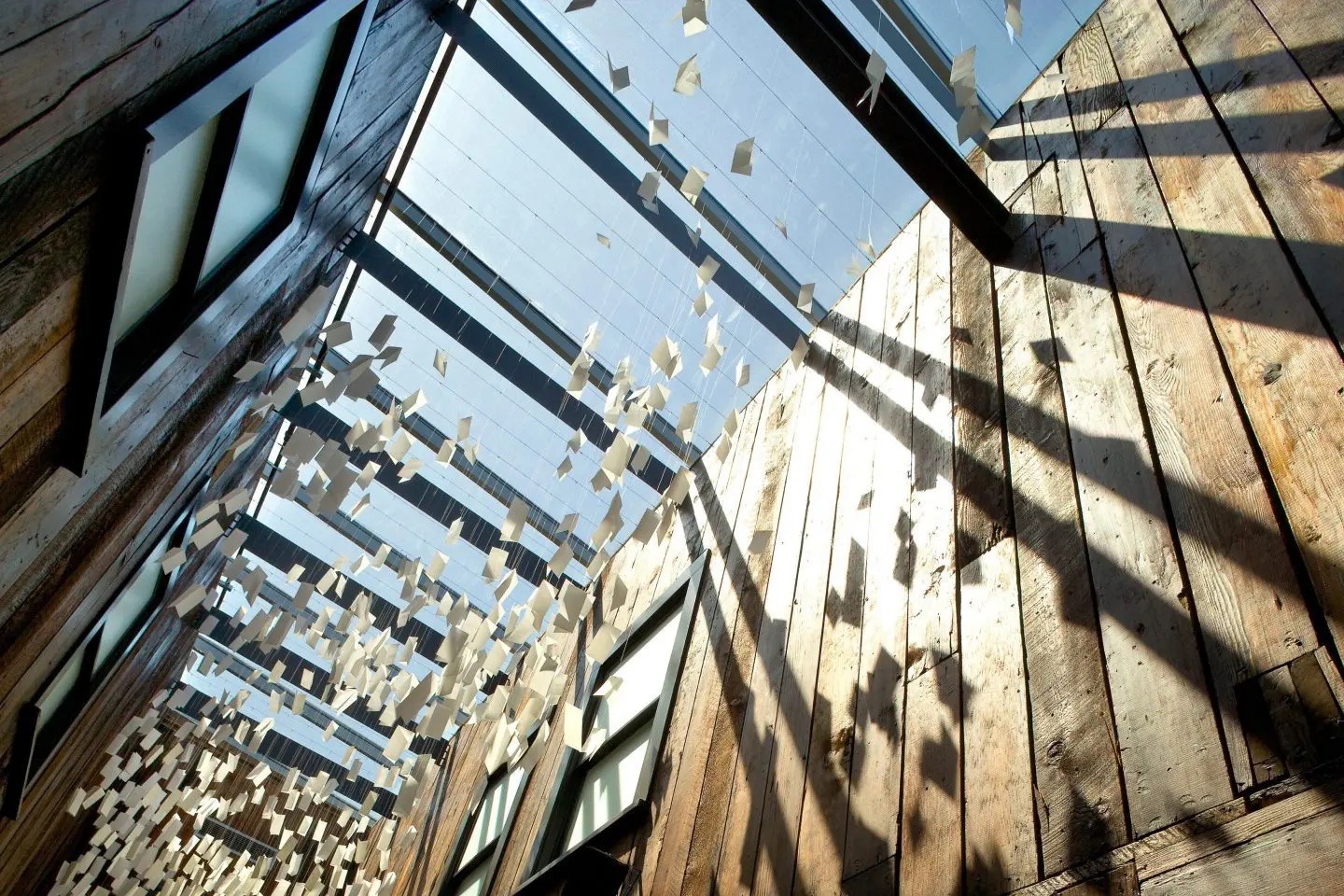
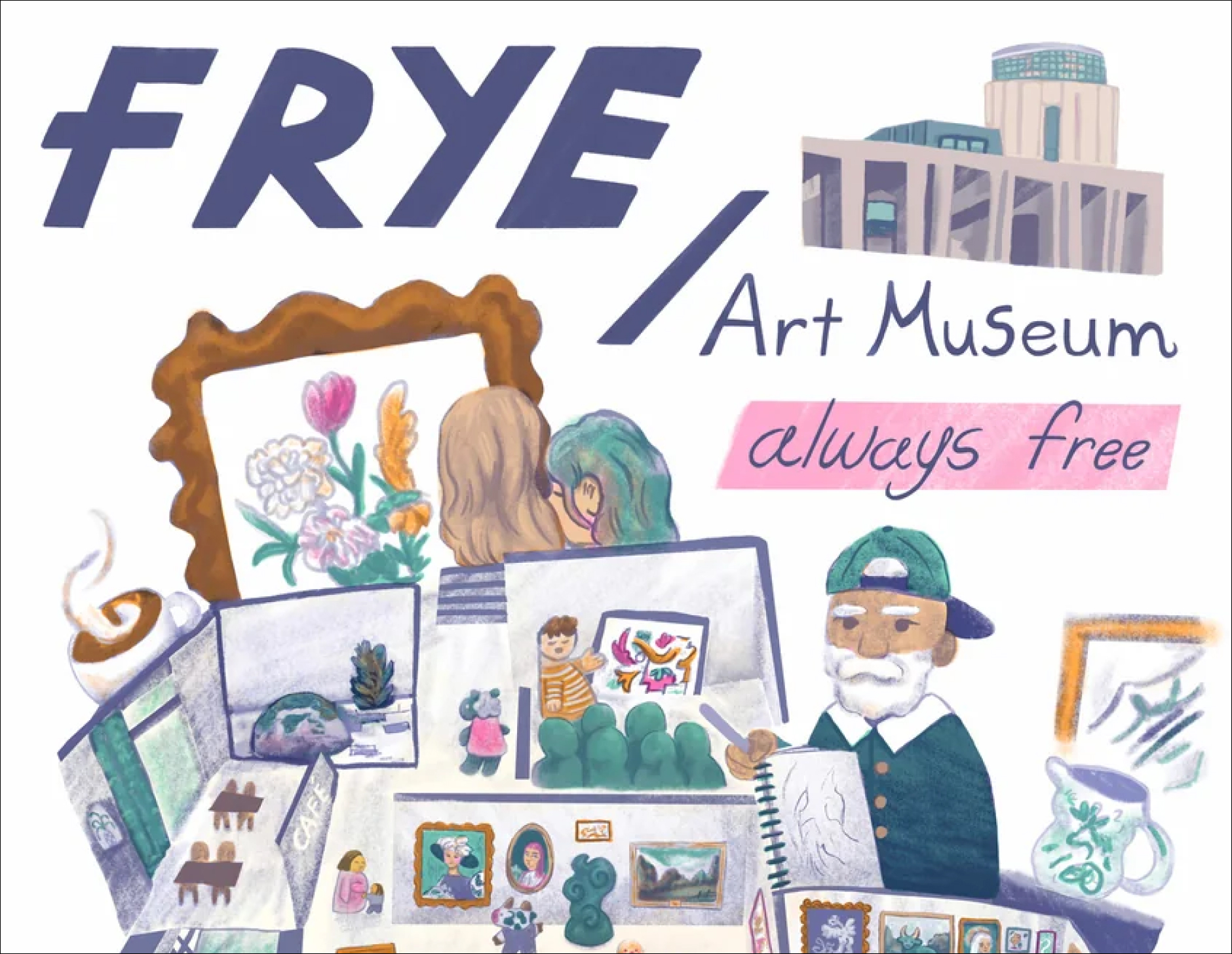
For seven years, he worked as an Architect at Ibsen Nelsen & Associates before joining Olson/Walker Architects as an Associate in 1974. He became a Principal in 1985, and the firm changed its name to Olson Sundberg Kundig Allen Architects. There, he designed many of the practice’s foremost public projects, including the Wing Luke Museum and an expansion and remodel of the Frye Art Museum.
Rick joined forces with John Kennedy and Gladys Ly Au-Young to form Sundberg Kennedy Ly Au-Young Architects (now Side x Side Architects) in 2012. He finished his six-decade career with Graham Baba Architects.
In 2013, Rick was awarded the AIA Seattle Medal of Honor in recognition of his “exceptional work and contributions to architecture and society.” He was heavily engaged in the city’s urban planning efforts, serving on the boards of Seattle Popular Monorail, Seattle Center, and the Light Rail Review Panel, in addition to chairing the Seattle Design Commission.
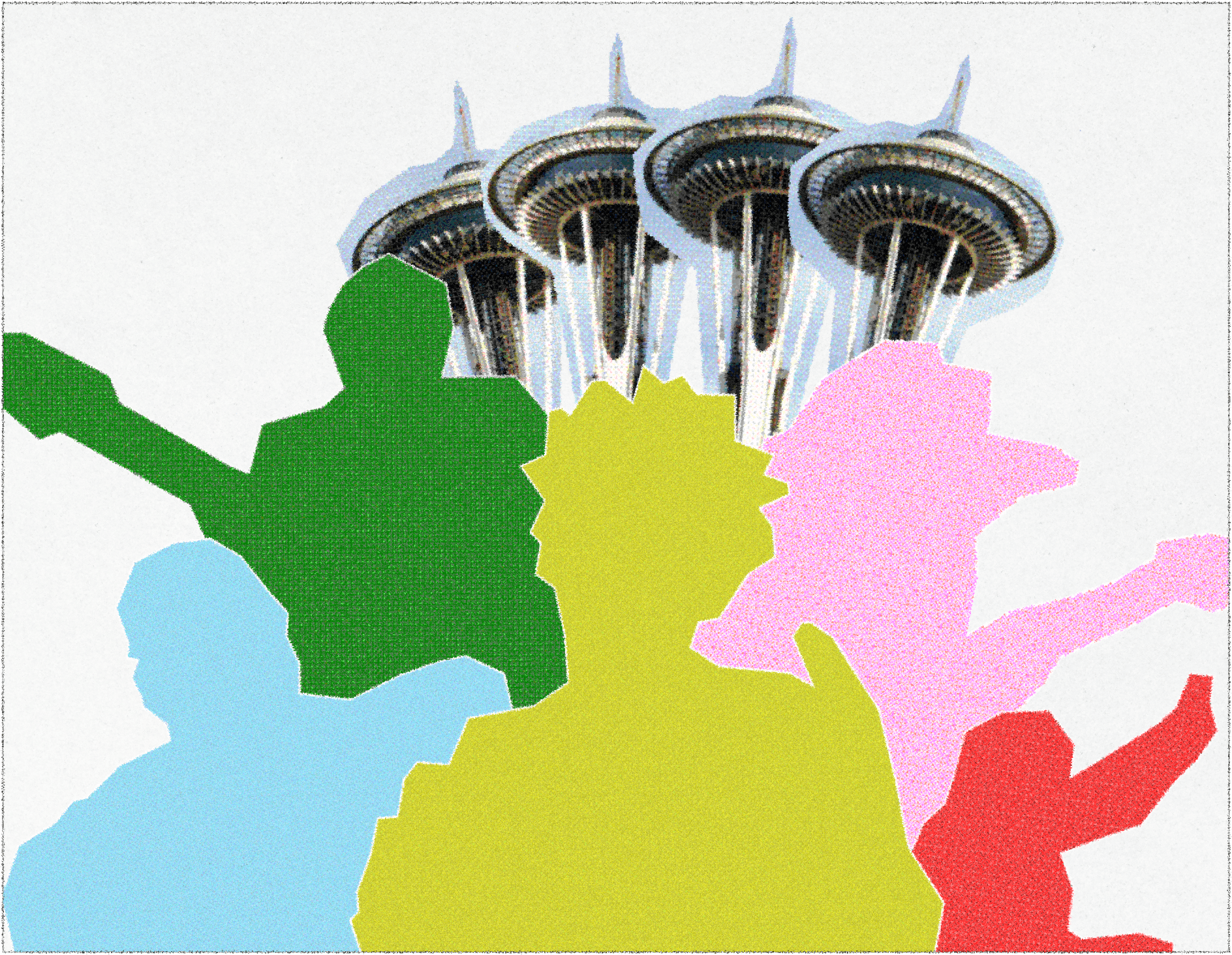
Readers of ARCADE may take interest in Rick’s own contributions to aforesaid publication. In Issue 16.4 of Summer 1998, he envisioned a new city center for Seattle, which he argued, “must consider the framework, the texture of this city, not just the site specific. As an idea, it should be grand. It should extend beyond its property lines and engage the entire downtown as the site and take advantage of opportunities for connecting the north, south, east and west axes of the city. It seems to me that our built assets should parallel the grandeur of our natural assets and bring meaning and significance to our everyday lives.” Clearly an architect by profession and an urbanist by avocation, his lessons ring true today.
In 1999–2000, ARCADE hosted the Plan Section Sentence Competition, soliciting architects from across the Northwest USA and Western Canada to submit one plan, one section, and one sentence on a single sheet of 8.5 x 11-inch paper. Of fifty-five entries, the Frye Art Museum by Olson/Sundberg Architects stood out. The drawing has something of Beaux-Arts refinement with a modernist flair, combining plan and section with a graph illustrating light levels at different points throughout the entry sequence. Their sentence explains: “Light levels are designed to diminish at five distinct intervals as the visitor moves from the outdoors on an overcast Seattle day (typically 2000 foot-candles), to the Frye Art Museum’s interior light requirements (8–24 foot-candles).” While the jurors never detailed why they selected the Olson/Sundberg design, one can guess attention to phenomenology and the human experience had something to do with it.
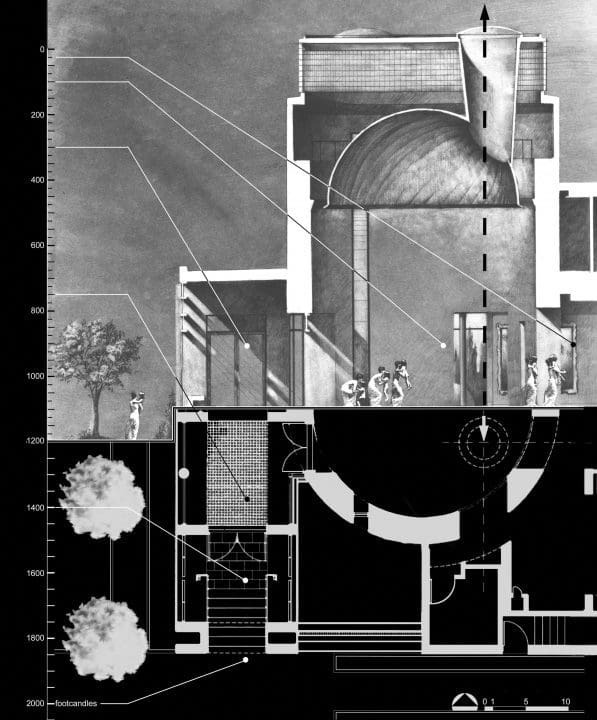
These examples—written and built—illustrate the character of Rick’s work: a response to context (both urban and human), a high level of craftsmanship, and a certain graceful solidity.
Rick leaves behind an indelible mark on the architecture of Seattle, both in the buildings he designed and in the professionals he mentored, and—as his contributions to ARCADE demonstrate—in his ideas, big and small.


.jpg)

.jpg)