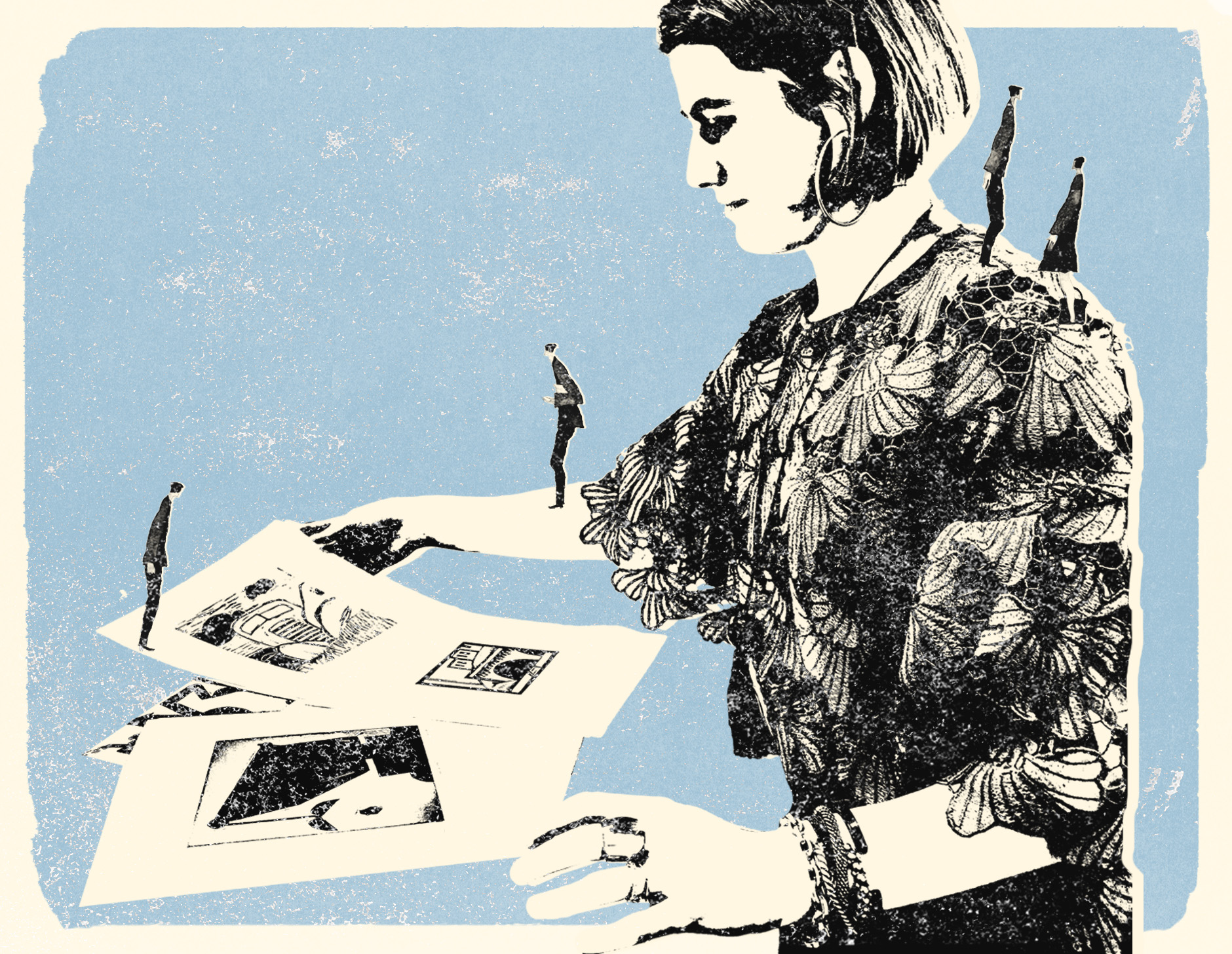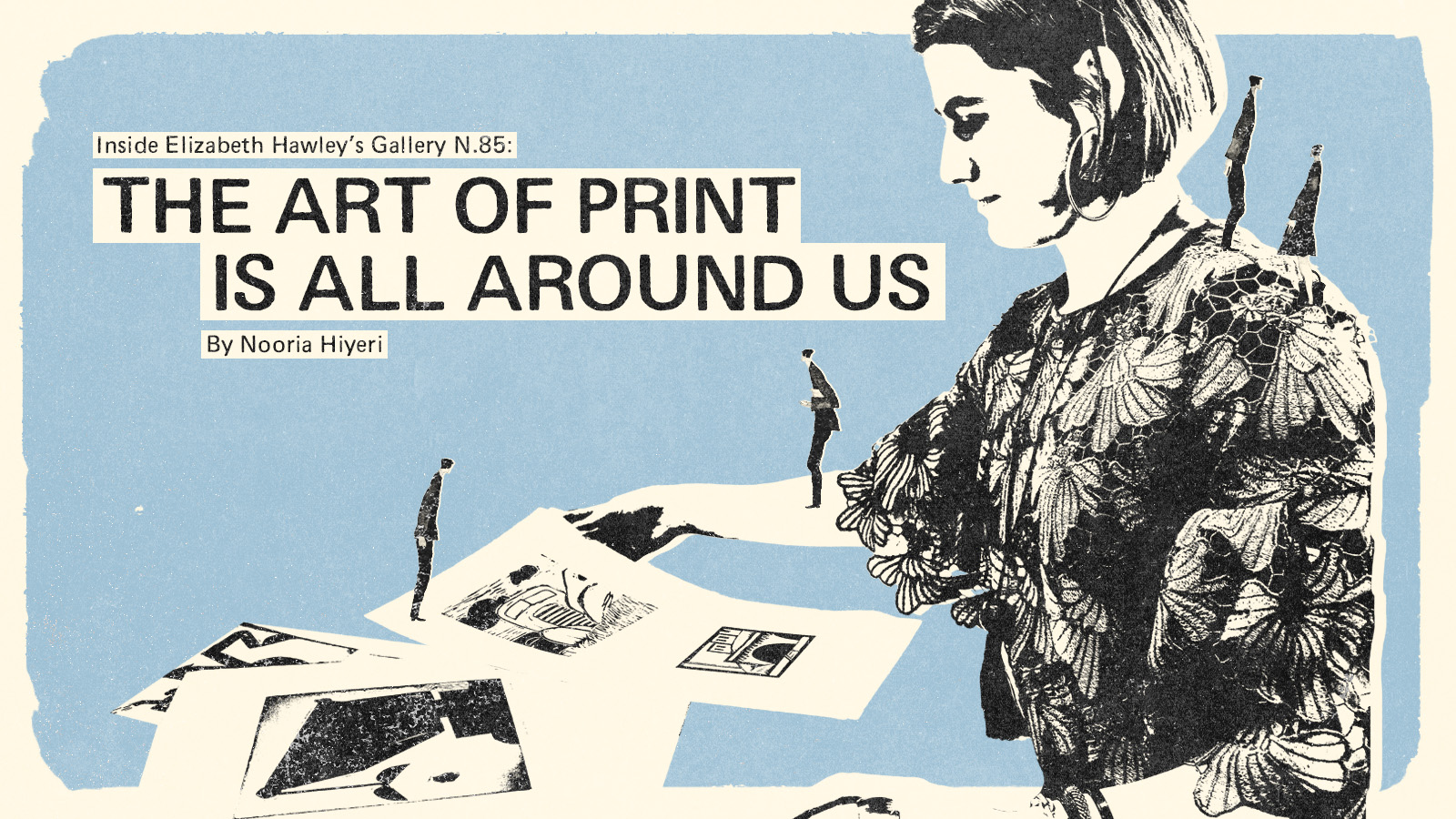

After more than fifty years, Pioneer Square mainstay Davidson Galleries shuttered in 2025. Luckily, Elizabeth Hawley swooped in, opening her own print gallery, N°85, in the same space. She builds on the legacy of prints and works on paper established by her predecessor, while engaging younger collectors. Of the importance of N°85, Hawley says it best: "The printmaking culture in Seattle is alive and well, and Seattle’s premier cultural neighborhood deserves a space to honor it."
Read Nooria Hiyeri's narration of how it all began.
...
A rayon advertisement print hangs in her hallway, something N°85 owner Elizabeth Hawley sees every morning. A gift from her grandfather, it became the single image that was less like a decoration and more like a quiet companion. The print would remind her of what printmaking has the capacity to be, especially when it is allowed to exist in the background of everyday experience.
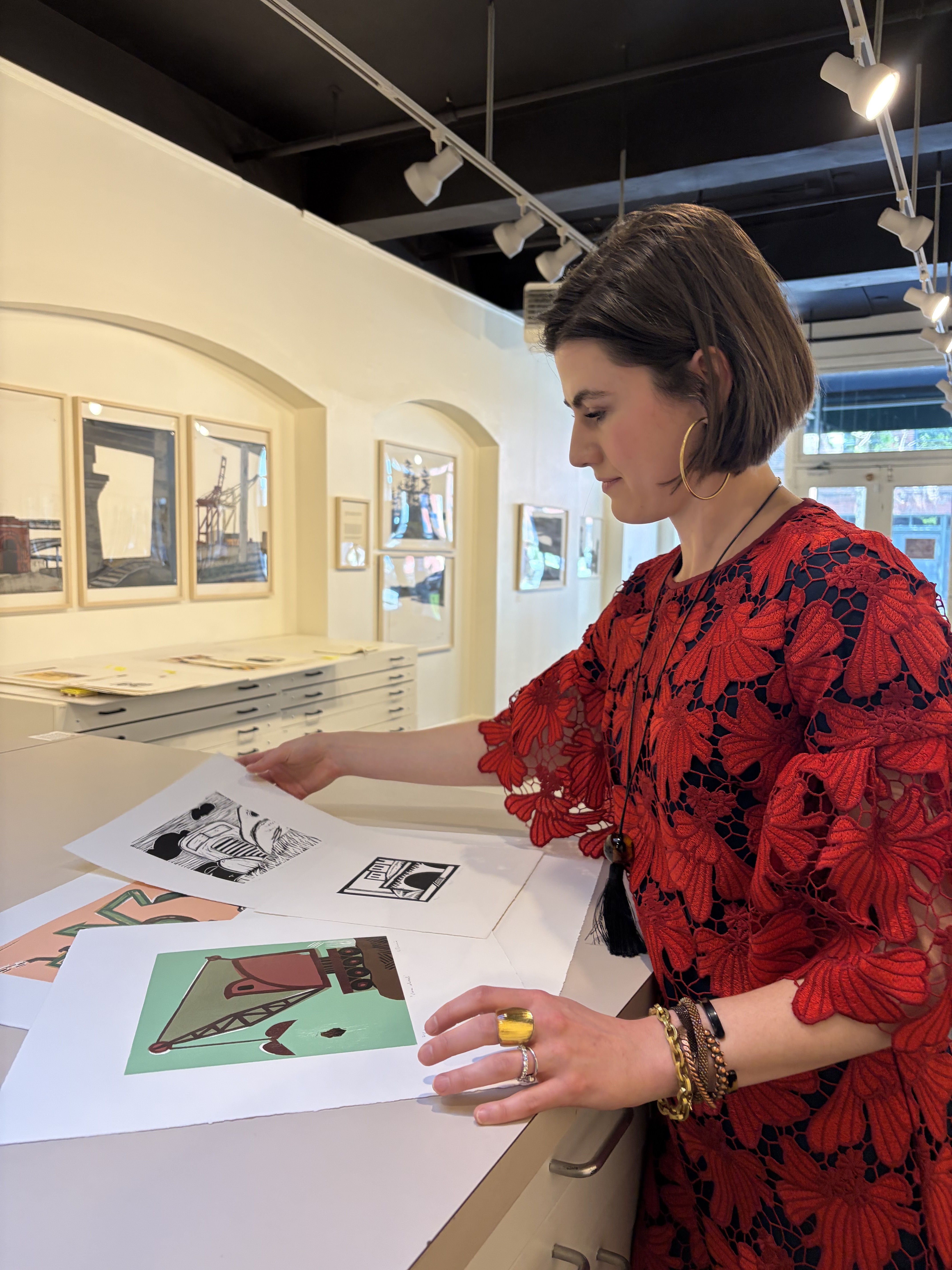
Hawley frames N°85 as an extension of this sensibility. Print moves between public and private space—a piece first showcased in a gallery can become someone’s treasured memento of personal admiration. She treats printmaking as something lived with rather than solely stared at. The following are excerpts of our conversation, delving into Hawley’s background, curatorial approach, and overall vision.
Nooria Hiyeri: Was there a specific artwork, artist, or moment that made you realize printmaking deserved more attention?
Elizabeth Hawley: I credit my college art history professor and mentor for my love of printmaking. She is a French Impressionism scholar and a printmaker herself. She routinely included etchings, aquatints, maps, and photographs in her teaching, and a love for them must have sunk in along the way.
NH: How does your previous work experience, in law and art, shape the way you curate or present work in the gallery?
EH: Both my legal and art world experiences have exposed me to countless people and scenarios. From that, I try to observe as much information as possible and draw on those experiences in my curation. Generally, I approach my curation methodically (which may stem from my legal training): I start with the artists and their stories. Using the artwork as my base, I reflect on how it makes me feel, and then begin to build out the desired feel and message of the show.
NH: Do you see this gallery as more of a personal project, a community project, or something else entirely?
EH: All of the above, I suppose. It is a personal project because I am working to build a gallery I would like to visit. That said, the gallery I'd like to build is a resource for the community. We're eager to begin community-focused programming and always want to promote a welcoming space where generations can mix and discuss their tastes and beliefs.
...
The shift from picturing N°85 as just a possibility to a bona fide pursuit came at a spontaneous moment during Pioneer Square's First Thursday Art Walk. A humorous yet tasteful print of a little green and maroon clam shovel in the window of Davidson Galleries caught Hawley’s eye. She and her partner decided not to buy the piece that instant, agreeing to return only if they still felt magnetically allured. By chance, the couple found themselves back at the gallery—Hawley realized she just needed the piece.
Her purchase came mere days before Davidson Galleries closed for good. While Hawley’s new print was an unforgettable token, the prospect of the gallery’s closure lingered in her mind. On the phone with her mother, she reflected on the visitors who spoke with affection and sadness, mourning the loss of a lively space that had long been a part of the area’s artistic identity. Her mother's response was simple: "You should buy it." What began as admiration for a single artwork became a realization that the neighborhood lacked an environment in which the constellation of art, conversation, and community could prosper.
At N°85, Hawley is drawn to each printmaker’s individuality and how they all bring their own distinct voices and perspectives into the gallery. She wishes for the energy of each artist’s artwork to unfold the minute one steps inside. Woven together, these emerging voices create a dynamic dialogue. Intergenerational conversations abound, for example, as each artist occupies a different stage in life and thus a unique way of seeing the world. When younger and older individuals have the opportunity to learn from one another, a timeless beauty issues forth.
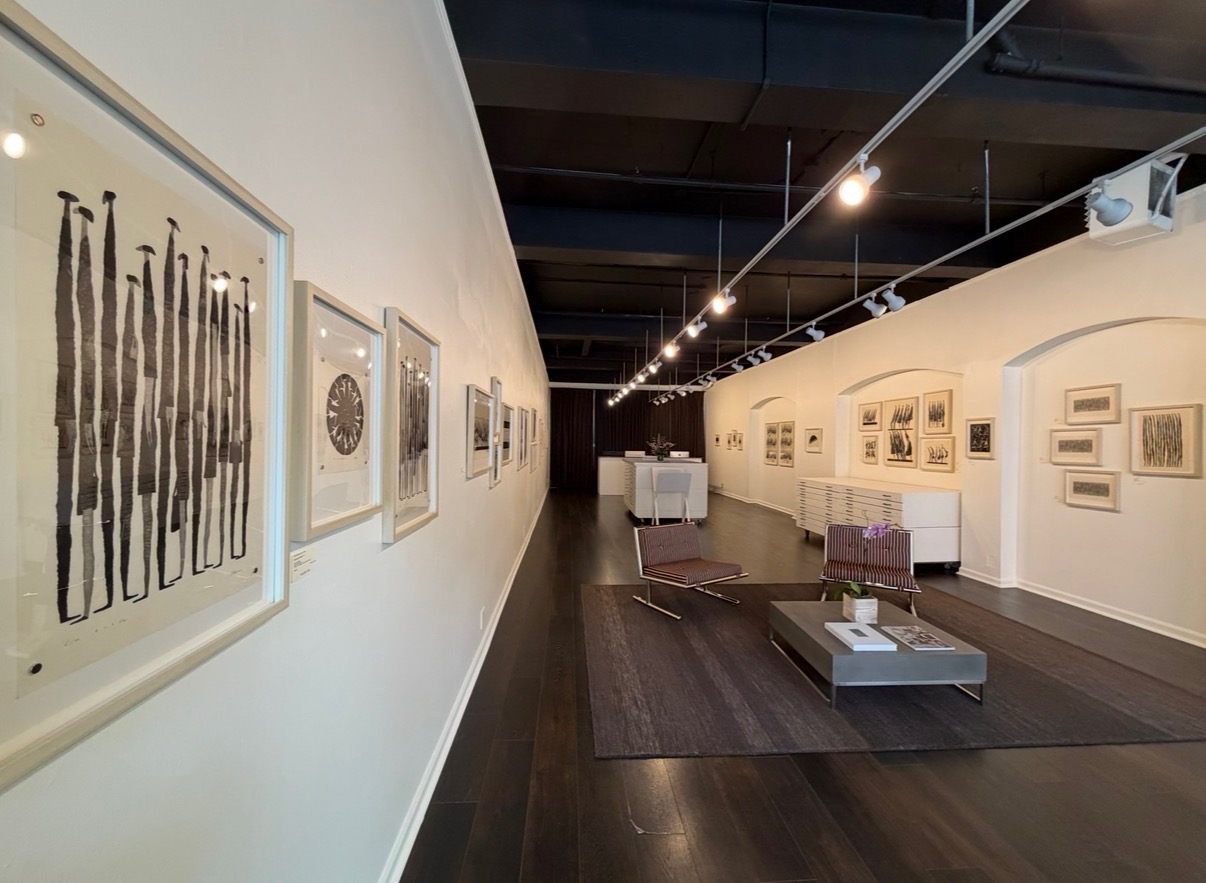
Exchanges, however minor, are what keep communities vibrant and continually evolving, Hawley believes. Whether sparked by a print or an unexpected encounter, she hopes Gallery 85 will encourage visitors to engage with one another authentically. In a city known for the "Seattle Freeze," N°85 serves as a counterpoint, a place where connection and memory echo from wall to wall. Hawley aspires to make the art world feel less intimidating. There is no singular way to experience art, so the gallery succeeds not when it dictates meaning, but when it cultivates warmth, dialogue, and curiosity.
For all the intention behind N°85, Hawley celebrates uncertainty and risk: "Rome wasn't built in a day," she muses, "trial and error." Hawley’s vision for a gallery is built on curiosity, community, and the belief that art is most powerful when it brings people together. In an era ever more defined by distance, N°85 offers something refreshingly simple: a reason to pause, to look closely, and to speak to the person standing beside you. Perhaps that encounter begins the same way it did for Hawley, with a print, glimpsed in passing, that purely resonates. Maybe you walk away from it. Maybe you circle back. Maybe years later, it hangs on your wall, interlaced so naturally into the fabric of everyday life that you can no longer imagine your home without it.
Somewhere beyond the gallery walls, her grandfather's rayon advertisement still hangs where she sees it every morning. Someone else’s future favorite print may be waiting on the walls of N°85.
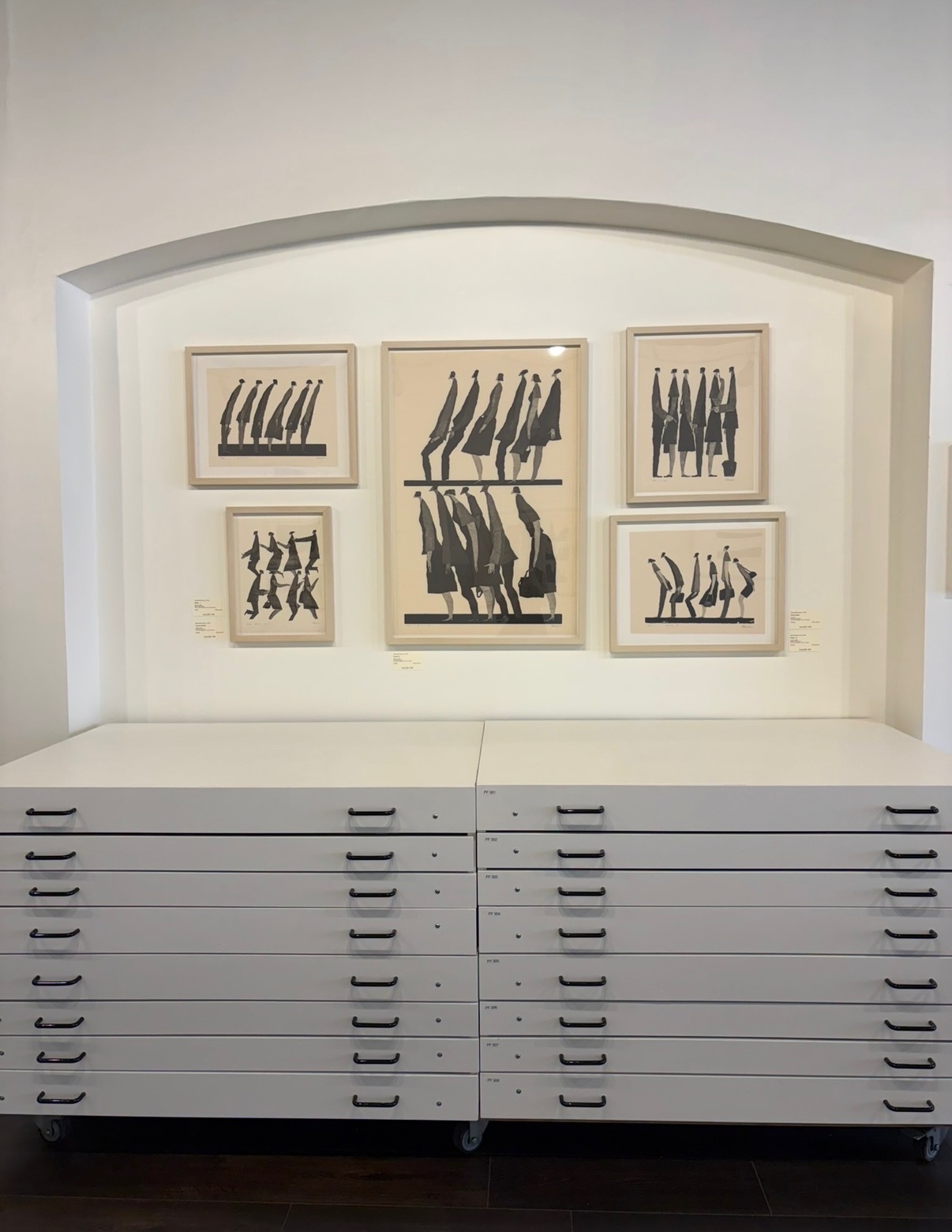
Visit N°85 at 85 Yesler Way, Tuesday – Saturday, 11:00 am – 6:00 pm.



.jpg)

.jpg)