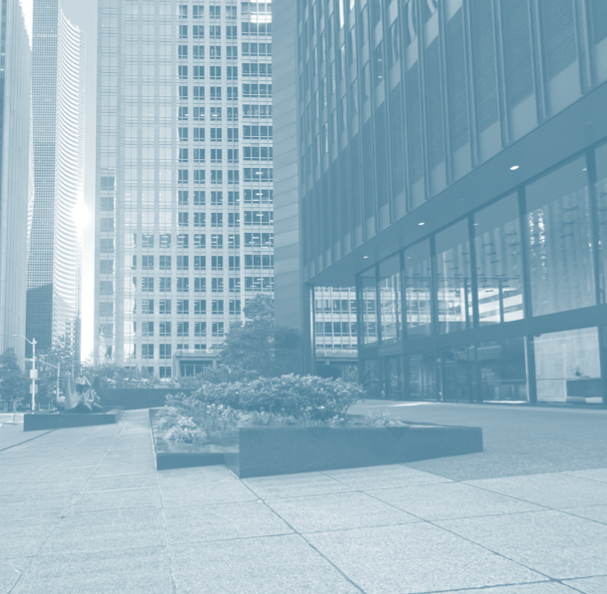
In the dense grid of downtown Seattle, where glass towers shoulder the sky and sidewalks thrum with intermittent foot traffic, a quiet negotiation plays out between architecture and public life. It happens in plazas tucked beside lobbies, on terraces above streets, in courtyards flanked by facades. These are Seattle’s Privately Owned Public Spaces—POPS—urban gestures meant to offer respite, pause, or gathering in exchange for zoning benefits.
Many of these POPS were created between the 1960s and 1980s, influenced by New York’s post-war zoning incentives. As towers rose—like those at the Federal Building, Columbia Center, or Fourth and Madison—they brought with them austere, over-sized plazas. These modernist open spaces, initially imagined as generous civic gestures, now often feel barren—monuments to outdated ideals.
This article zooms in on two such plazas: the wind-swept forecourt of Safeco Plaza and the compact, recently renovated terrace at 800 Fifth Avenue. Both are POPS. Both have been retrofitted. Yet one struggles to invite anyone in, while the other hums with quiet life. Through these case studies, I explore how scale, context, and intention influence whether a public space truly welcomes people—or merely gestures at doing so.
Safeco Plaza: Monumentality Meets the Wind
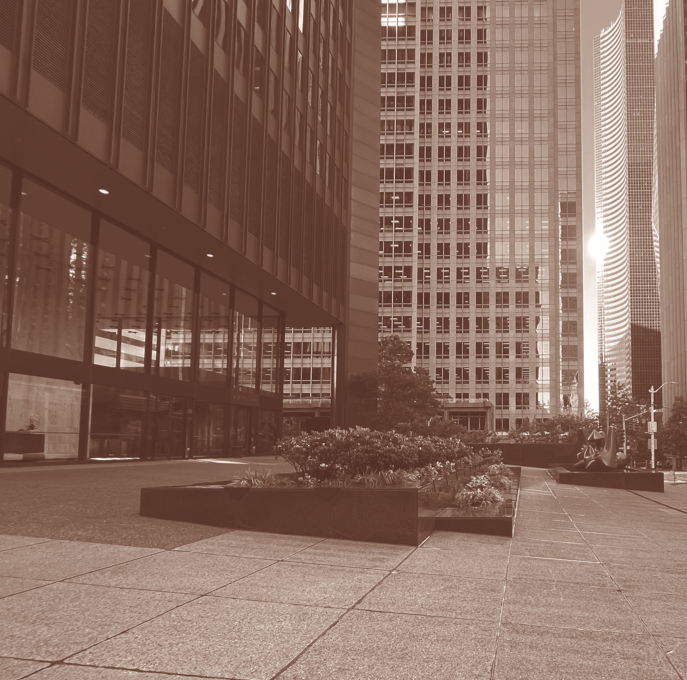
Framed by a fifty-story black steel tower—Seattle’s tallest when completed in 1969—the plaza reads more like a pedestal than a place. Its granite expanse is lined with occasional planters, sparse benches, and low walls. It is often empty. The wind is nearly constant.
Designed by NBBJ, the plaza reflects the International Style’s corporate modernism: a sculptural tower atop a clean plinth. “It was never about pedestrian life,” says Professor Jeffrey Ochsner. “It was about the purity of form. And it’s still shaped by that DNA.” In the 1980s, NBBJ attempted a retrofit—adding textured paving, wind barriers, and landscaping—but they couldn’t solve the core issue: the slope.
“If it had been flat,” Ochsner says, “you could imagine activity—tables, chairs. But the slope makes it impossible.” And while the retrofit tamed some of the plaza’s worst elements—today, it won’t knock you over in a storm—it never made the space hospitable. It remains difficult to occupy, visually exposed, and lacking in edge activity. A branch bank does little to activate the surrounding blocks. The plaza has the scale of a civic square but the life of a lobby. “It’s too big,” Ochsner adds. “It defeats intimacy. Even when there are people there, it still feels empty.”
800 Fifth Avenue: A Porch for the City
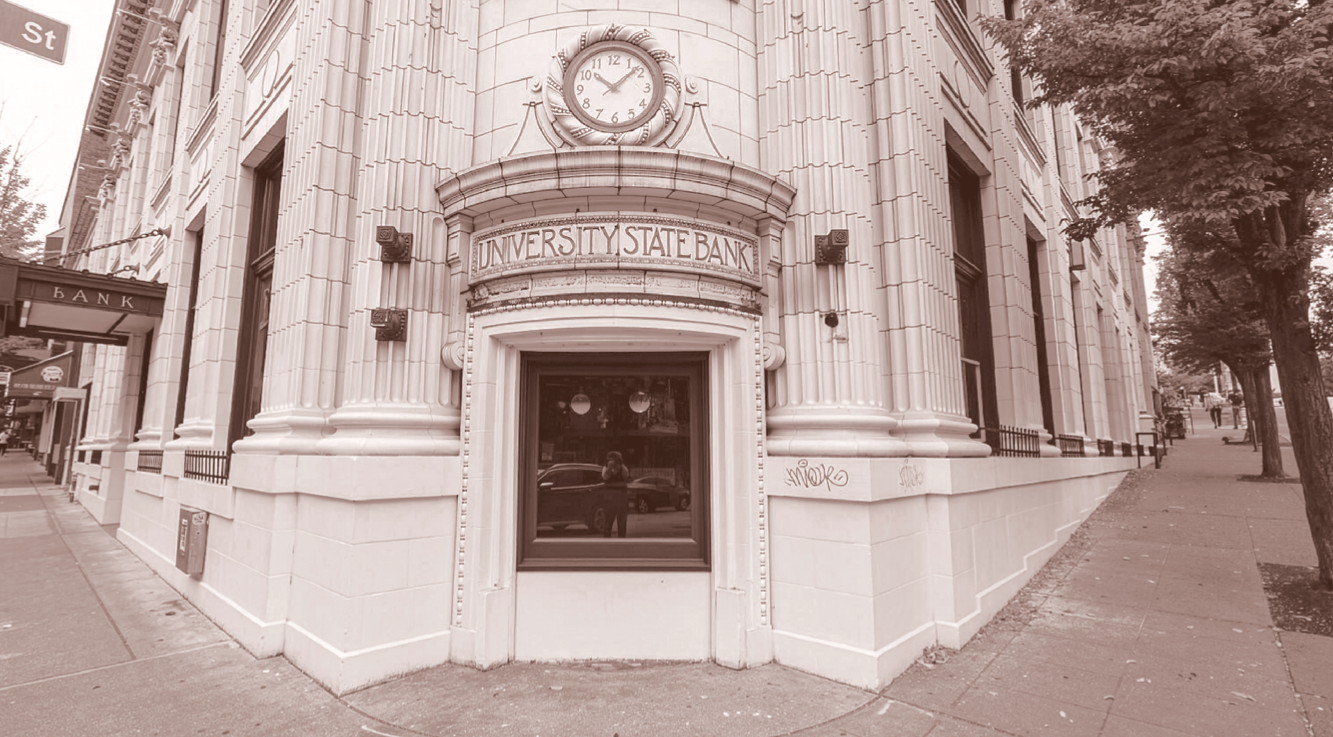
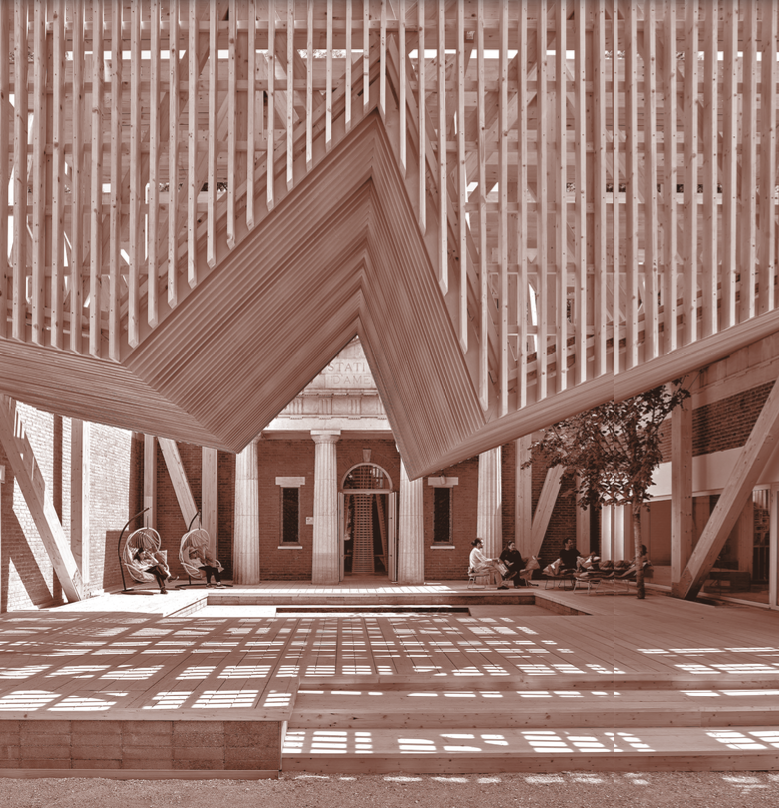
Just four blocks south, the plaza at 800 Fifth Avenue tells a different story. Once a gated forecourt for a stony bank headquarters, it now unfolds as a sunlit terrace with wood seating, movable tables, and planter beds that collect both light and activity. A subtle stair now leads directly from the sidewalk, gently blurring the boundary between public and private.
When Olson Kundig was tasked with the retrofit, the challenge was conceptual as much as architectural. “It was a mono-user financial building,” says architect Kirsten Ring Murray. “It felt secure but not welcoming. You couldn’t even reach the courtyard from the street.” The retrofit, completed in the early 2020s, sought to flip that experience. Instead of a walled-off institution, the design introduced warmth, porosity, and flexibility. “Our metaphor was home,” Murray says. “We wanted to create a kind of front porch for the city.”
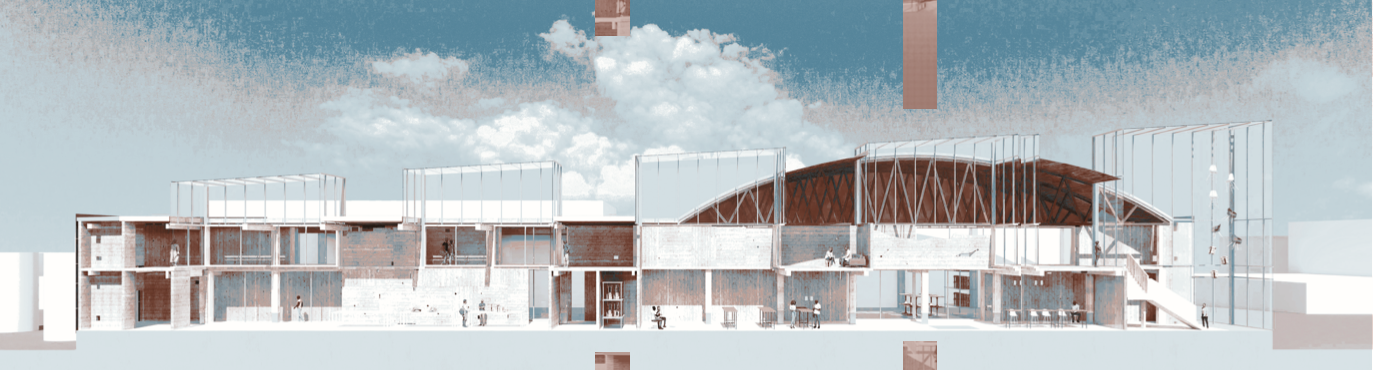
The design carved through the building’s edge—adding new stairs, reworking circulation, and introducing a small glass pavilion that shelters visitors while catching sun. Previously, access to the space required traversing a sterile lobby and interior stairs. Now, people enter directly. What was once hidden became a threshold open to the city.
“The space now gets used in unexpected ways,” says Murray. “Bus riders rest there. People cut through diagonally. It serves as a forecourt to Swedish Medical, but also as a passive gathering spot.” Even amid post-COVID office vacancies, the space anticipates reactivation—not by retail but by design. “You can’t rely on shops anymore,” she adds. “The space must work on its own terms.”
Who Stays, Who Passes: Public Experience in Practice
The contrast between Safeco Plaza and 800 Fifth extends beyond design decisions. It is felt in behavior—in what people do, or don’t do, when they enter these spaces. At Safeco Plaza, most keep moving. Even on sunny days, it fails to retain visitors. The slope discourages sitting. The wind persists. The absence of street-level activity amplifies the sense of exposure. “It’s not just the space itself,” says Ochsner. “It’s what’s not around it. There’s nothing to build on.” Though modest improvements were made on the north end, the overall space remains shaped by an ethos of detachment. One interviewee describes it as “a place you cross to get somewhere else.”
At 800 Fifth, people pause. Office workers drink coffee on low steps. The wide stairs read as an invitation, not a boundary. During early design observation, Murray noted how people from Swedish Medical paused to breathe, wait for a ride, or simply linger. “There’s a softness to how people use the space—it adapts to what they need.”
That adaptability is no accident. The team designed zones with different scales of use: from the wide stairs that double as amphitheater seating to smaller tucked-away perches for solitude. Light filters through the trees, and the interior lobby glows softly outward, creating an ambient sense of presence even when foot traffic is light. The plaza doesn’t shout to be used. It simply allows it.
Measuring Success: Scale, Context, and Comfort
If public space success were measured by budget or square footage, Safeco would win. But the real measure lies in comfort, usability, and perceived welcome.
800 Fifth succeeds because it is modest. Its scale feels appropriate to its users. “The scale is forgiving,” says Ochsner. “It doesn’t take much for the space to feel alive.” Safeco’s monumentality works against it. The slope prevents usable furniture. Its edges remain inactive. “They designed the plaza to frame the building,” Ochsner adds. “Not to invite the city.” Environmental comfort matters too. Safeco is often shadowed and windy. In contrast, 800 Fifth benefits from sun exposure and subtle topographic shifts that create shelter and intimacy.
And then there is signage—what William H. Whyte called the “psychological thresholds” of public space. At Safeco, entry is unclear. Who is this for? Are you allowed to sit here? At 800 Fifth, transparency, light, and spatial flow communicate welcome without a single word.
The Stakes of Retrofit: Lessons from Two Attempts
Both sites were retrofitted. But only one fundamentally rethought its spatial logic. 800 Fifth dug deep—literally and metaphorically—to reconnect the building with the street. Safeco remained a surface adjustment, constrained by scale, cost, and risk tolerance. “We had to shift the frame,” says Murray. “Not what the building wants—but what people need.” The lesson here is not just architectural. It is philosophical. Retrofitting isn’t just about fixing surfaces. It is about recalibrating purpose—asking who a space serves now and who it could welcome in the future.
Toward a More Generous Downtown
Seattle’s downtown is unsettled. Office towers sit partially vacant. Sidewalk rhythms are inconsistent. In this flux, POPS matter more than ever—not as legal requirements but as civic infrastructure. The comparison between Safeco and 800 Fifth offers a cautionary tale. Monumentality, scale, and abstract generosity are not enough. Public life thrives in spaces of intimacy, adaptability, and care. As designers, developers, and policymakers reimagine what downtown Seattle might become, they must ask harder questions: Can this plaza host the spontaneous life of the city? Does it feel safe and permissive, or watched and corporate? Is it designed for occupancy or for optics?
From Gesture to Invitation
A plaza is not a promise. It is a question. Will people come? Will they stay? Will they feel that they belong?Public life doesn’t emerge from heroic architecture alone. It grows from small, sustained acts of care—chairs placed in sunlight, signs that say “Welcome,” trees that soften noise, furniture that invites rearrangement. The retrofit at 800 Fifth isn’t perfect. It works because it is generous, porous, unfinished in the best way. Safeco still bears the imprint of a time when form mattered more than feeling.
The future of public space lies not in grandiosity but in humility—in spaces that trade control for invitation, and scale for care. POPS must evolve from passive gestures to active welcomes. Not just places we pass through. Places where we belong.