Have you ever thought about who owns the bench you’re sitting on? Where you can ride your skateboard? Or get petition signatures? As cities evolve, public life becomes blended with private interests, and spaces that appear open for everyone are often surveilled through cameras and security. The rise of privately owned public spaces has introduced mixed opinions on design intentions and the experience of the urban realm. These semi-public spaces, controlled by private entities blur the lines between access and exclusion within our urban centers and raise critical questions about who’s invited, their expected feelings, and the level of freedom they permit.
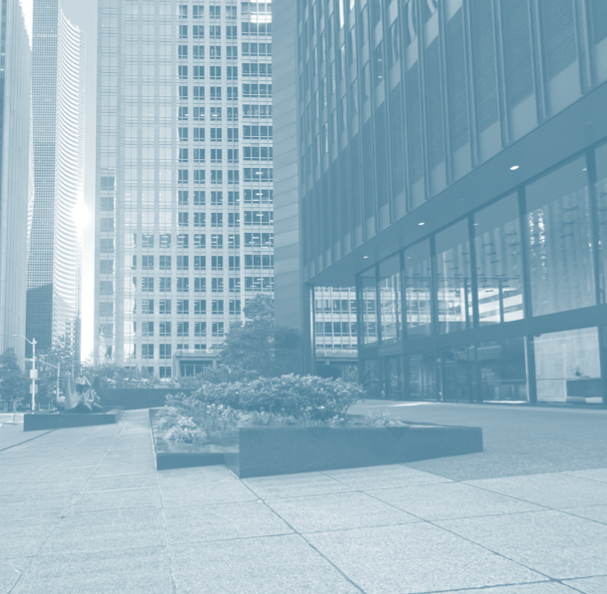
Privately owned public spaces, or POPS, are spaces such as plazas, walkways, or atriums that are open for public use but are under private ownerships. They are often found around large buildings with the intention of providing accessible open space within the city. Frequently, POPS are built so owners obtain more property in exchange of public uses pace. In recent years, there has been an increase of POPS which makes it difficult for normal community members to differentiate POPS and public spaces. According to The Urbanist, Seattle’s POPS increased modestly from 40 in 2016 to 44 in 2025, while San Francisco expanded from 60 POPS in 2015 to 200 by 2025 showing growth in Western cities. This trend highlights broader shifts in the development of urban public spaces as cities become denser which raises questions of how they impact the broader goals of social connection, engagement, and equitable access.
Being public can be defined as physically open and accessible to all no matter their background, ethnicity, or social status, while allowing the freedom to act, speak, protest, rest, or simply be. However, POPS challenge this ideal as they interfere with this definition through the blurred boundaries of access and engagement. They appear public in design but come with hidden restrictions and private interests that limit who’s allowed and its interactions. Locals seem to know about the idea of POPS but don’t know details or how to differentiate them from traditional public spaces. Engagement within POPS and public parks is similar: users sit around and chat, owners walk their dogs, and people enjoy time in the outdoors of Seattle. However, in POPS, security conducts laps and cameras always watch you.
This increase and confusion of how public a space is shifts the design of the urban development through its added lens of commercialized and surveilled environment over a truly public one. It alters the forms of cities by adding open spaces which is valuable as cities become denser, providing options to spend time outside or simply take a seat during a walk. Although, people might engage with them in a slightly different way as it limits activities through its rules in which community members such as Savita, who works in downtown Seattle finds POPS to be a safer way to engage with the city as security rarely intervenes and doesn’t make one feel invaded. However, members such as Jen aren’t fans of POPS as she states, “I don’t like the idea of someone else potentially having control of who can enter, have access, or what goes on in a space”.
POPS are owned and managed under city agreements which possess a layer of surveillance and regulations such as security personnel, cameras, personal cleaners, and signs instructing rules that must be followed when using the space. “This plaza is private property, available for public use...,” “no pets allowed,” “no skateboarding,” “no soliciting” are commonly seen. Some users don’t mind the surveillance as it makes them feel safer while others feel as it invades their privacy and find it rather controlling. As someone who spent time sitting in the Amazon campus in SLU and then Lake Union Park, they both have similar goals and similar restrictions but feel different.
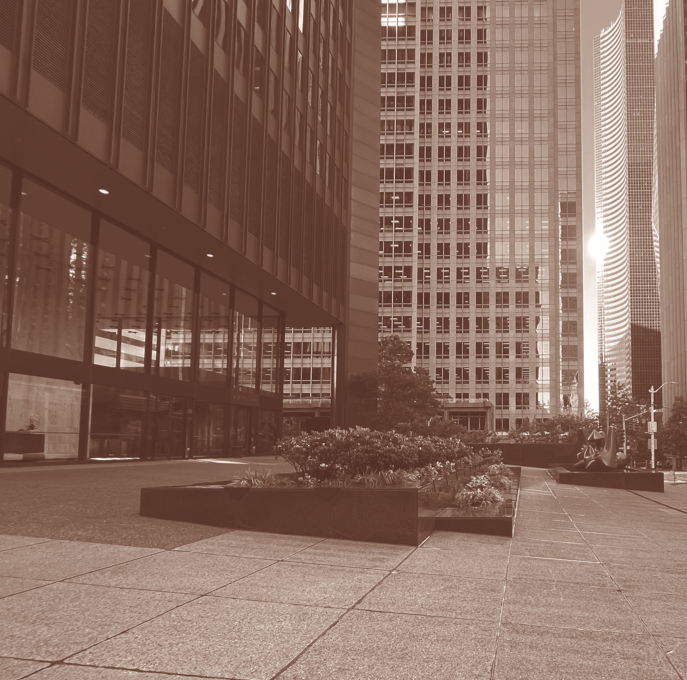
Focusing on my time in the Nessie Plaza, it serves as a connector between the buildings and allows users to walk through blocks more efficiently. As someone who was aware that it was a POPS, I felt relatively safe as the space was well maintained, had greenery, sounds of water and laugher. Although, there were a handful of people walking their dogs which was odd considering all the “no pets please” signs. It made me question how things would’ve gone if security was around. Would they simply get a warning? Or maybe kicked out of the space? Users not following the rules makes me question if they were aware that they were in POPS or had ever even taken a minute to read any of the signs?
Meanwhile, located north of the Amazon campus, Lake Union Park, owned by the city of Seattle, provides an open park that has arrangements of seating, pathways, docks, and direct access to Lake Union. People walk their dogs, ride their bikes and skateboards, sit at the dock, and children runaround in the open space. Although it’s a public park, there’s still city guidelines that must be followed such as keeping dogs on leash, pet discharge fees, no smoking within park premises, and refraining from feeding wildlife. These guidelines compare to those in POPS, so why could someone feel less restricted in parks over POPS? As I walked around, I felt a sense of relieve as I knew that there weren’t cameras watching or that I could be approached by security. Even through there were rules posted, it’s easier to twist or break those rules in spaces like these because of the lack of surveillance—however, morality is usually enough judgment to differentiate what can or should be done within these spaces.
Mark Nicol, principal at LMN Architects Seattle, discussed his experience designing POPS, particularly in urban mixed-use developments. He emphasized the complexity of designing them as there must be balance between public benefit and private control. As these are private entities, developers have “all
of the input” in their design but architects have the responsibility to advocate for the public’s interest and balancing “creating spaces that the public feels welcomed in but not too welcomed” which reflect the push and pull tension between public inclusion and private utility. It’s emphasized that owners
have a major role in the final design and the regulations within as it's under their ownership. However, Nicol’s notes that even when POPS are at their best form, they can still feel exclusive but believes POPS contribute positively to the urban environment even though “they are not perfect...but the city is [still] better off for having them.”
Similarly, University of Washington Urban Design and Planning Professor Keith Harris described POPS as “a compromise” that cities use to provide public access while serving private interests. He points out the generated safety for social life that attracts anyone but that limits genuine public freedom. As much as Harris advocates for traditional public spaces, he also critiques urban choices such as blank walls along Broadway that ended up being “missed opportunities for activating the streets” and that would’ve benefitted from an addition of a POPS.
Although POPS provide convenient space for nearby users, Harris warns against relying on them at the expense of public parks as it limits access to all. He calls for an urban environment that fosters “spontaneous social interaction” and “a real sense of belonging,” not just overseen environments shaped by commercial priorities.
Meanwhile, developments such as the Elliott Bay Waterfront revitalization questions the ownership of spaces with its design of public areas owned by the city and those with individual owners. The public-private partnership of Elliott Bay Connections (EBC) will connect and revitalize public parks along the Elliott Bay Waterfront and provide connections from Pier 26 to The Beach at Expedia Group. This large-scale project hopes to open by Summer 2026. Projects like these could cause conflicts between public and private boundaries and how each owner will maintain their space. POPS will be found within this revitalization, and it’s important to understand POPS right now so we can better navigate these hybrid spaces in the future. It’s essential to understand how they function and who they will truly serve. This redesign will be a major addition to how people experience the Seattle waterfront as it continues to raise questions about what truly counts as public, how it serves the entire community, and its governing.
Privately owned public spaces are found across the country and range from small connectors like the Amazon campus to larger scales like the Elliot Bay project. As the city grows, the expansion of POPS continues to spark debate between designers, community members, and the role they play in shaping urban life. Some view them as valuable spaces that provide amenities and safe gathering, while others argue that they limit public access and prioritize commercial interest over inclusivity. Therefore, it’s important to evaluate whether POPS support inclusive development or if they subtly reinforce exclusionary boundaries? POPS hold rules and regulations, but so do traditional public parks which to an extent makes both a bit controlling. However, the appearance of openness while having underlying sense of control is what creates tensions. As Seattle and other cities continue to develop, it’s essential to understand and question who these spaces are for, how they are managed, and how they make people feel to ensure a balance between ownership and inclusion.