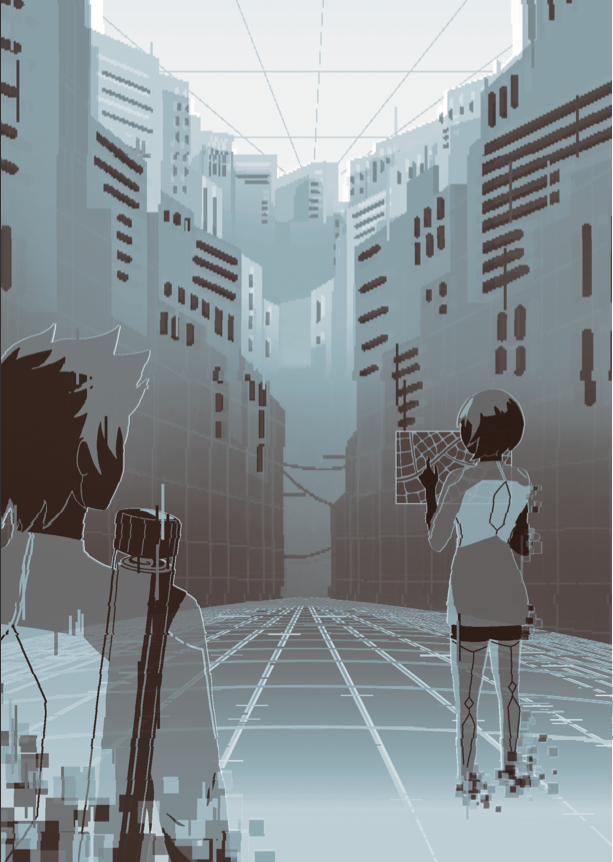
Imagine stepping into a bustling train station: the lights above strobe with an uneven flicker, audio announcements clash against each other in a metallic echo, and directional signage is a chaotic blend of text and symbols that feels impossible to decipher. Now imagine experiencing this every time you enter a public space. For many neurodivergent individuals, like those with autism, ADHD, sensory processing differences, or other cognitive disabilities, this isn’t a hypothetical stressor or a design oversight. It is a consistent and draining reality. In these environments, everyday tasks like finding a restroom, navigating a line, or waiting in a terminal can quickly become overwhelming. These spaces, which are meant to serve the public, often unintentionally exclude a significant portion of it simply by not considering how varied sensory and cognitive experiences can be.
Public space is meant to foster connection, equity, and community. Yet many of these environments are built with narrow expectations of how people perceive and process the world. They privilege neurotypical modes of engagement, like favoring constant stimulation, streamlined efficiency, and high visibility, over calm, clarity, and cognitive rest. For those who process the world differently, these spaces are not only unwelcoming but can be actively harmful. Designing for the so-called “edges” of the population, those with less typical sensory or cognitive needs, is not about special treatment. It’s about asking fundamental questions: Who is public space really for? And what does it mean to truly belong in it?
A recent project at Seattle-Tacoma International Airport (SEA) begins to answer these questions. The airport’s newly constructed Sensory Room is a quiet, intentionally designed space created for travelers with sensory sensitivities to regulate and recover. It represents a growing recognition that public design must be inclusive not only in terms of physical access but also in how it supports cognitive and sensory diversity. As a case study, the SEA Sensory Room demonstrates how a well-designed environment can reduce stress, promote dignity, and enhance the travel experience, not just for neurodivergent individuals but for many others as well.
Neurodiversity is a framework that challenges traditional notions of normalcy in brain function. Rather than framing conditions like autism orADHD as deficits to be corrected, it sees them as natural variations in the spectrum of human cognition. This shift in thinking moves the burden away from the individual and places it on the systems—social, educational, and architectural—that were never designed with their needs in mind. With an estimated 15–20% of the population identifying as neurodivergent, the implications are enormous. Public infrastructure, by and large, still reflects a one-size-fits-all mentality. In practice, this means millions of people are routinely asked to conform to environments that do not support how they process noise, light, space, or social interactions.
Inclusive design addresses this mismatch. It asks: how can we shape spaces that invite, rather than demand, conformity? At SEA, this question became a design challenge and an opportunity. Aviation Facilities and Infrastructure Architecture Manager Heather Karch, who previously served as ADA Coordinator, saw the need for a space where overstimulated travelers could find respite. Alongside Capital Program Development Manager Mandy Xiggores, the team studied similar sensory rooms in public venues and collaborated with a local autism foundation. From early planning through implementation, the project emphasized lived experience and community engagement, not just top-down solutions, but insight from those who would use the room.
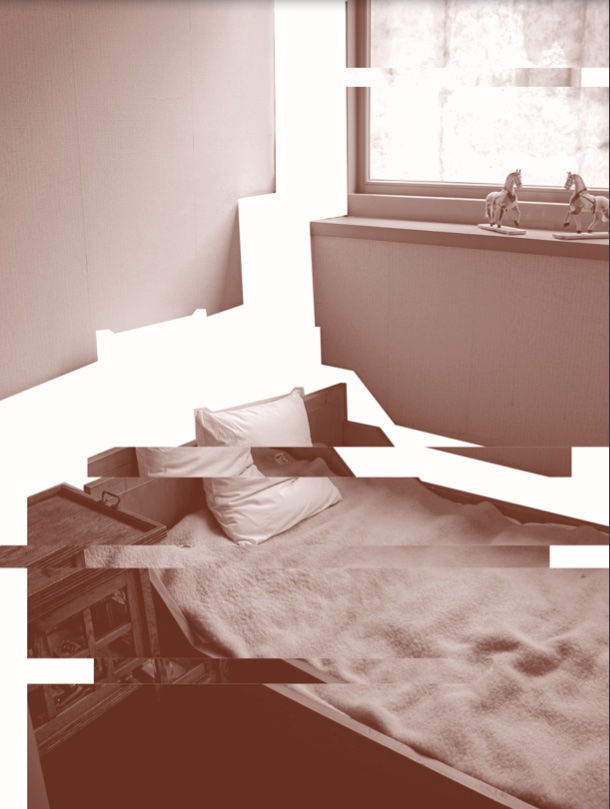
What emerged was a compact, 200-square-foot room that feels far more spacious than its dimensions suggest. The design rejects stereotypical “sensory space” aesthetics, often geared toward children and filled with bright colors or toys. Instead, it adopts a calming palette of cool hues, soft textures, and organic forms. Acoustic panels reduce ambient noise, while indirect, dimmable lighting replaces the harsh fluorescents typical of airport terminals. Flexible seating accommodates a range of needs, from solo travelers seeking solitude to parents managing sensory-sensitive children. Everything in the room is intentional, from the matte finishes that reduce glare to the gentle transitions between zones.
The room’s success lies not just in its design features but in how they are experienced. "One of the first things you notice when you come into the sensory room is how quiet it is," said Mandy and Heather in a collaborative discussion. That quiet is not accidental, it’s the result of material choices, spatial buffering, and a philosophy of care. In a space as loud and chaotic as an airport, silence becomes a form of accessibility. The ability to pause, reflect, and self-regulate is built into the architecture itself.
To ensure the room was meeting real needs, SEA collected over 300 user surveys via a QR code displayed inside. “The feedback has been overwhelmingly positive, with travelers expressing gratitude and asking for more rooms like it,” says Candace Field, accessibility program manager at SEA. This data is shaping future projects. Additional sensory rooms are now being planned in the airport’s C and S Concourses. These new spaces will be even more integrated, located near single-user restrooms with adult changing tables, equipped with better signage, and designed to reduce the need for verbal or social interaction when accessing the room. These changes reflect a growing awareness that accessibility is not static, and it evolves with listening, feedback, and iteration.
While this progress is promising, barriers remain. Sensory-friendly design features are still often seen as optional, added at the end of a project rather than considered from the start. Many architects and planners receive little formal education on cognitive accessibility, and funding constraints frequently push these ideas into the "nice-to-have" category. But broader cultural shifts are beginning to influence the field. Institutions like the Center for Inclusive Design and Environmental Access (IDEA Center) in Buffalo, New York, are starting to codify best practices and provide training. Programs like KultureCity’s Sensory Inclusive Certification are helping venues from sports arenas to museums understand and implement sensory-friendly measures in meaningful ways.
Importantly, these conversations are no longer limited to advocacy groups or disability rights organizations. Neurodivergent individuals are increasingly present in the design process themselves as collaborators, consultants, and professionals. Their presence changes the questions being asked and the assumptions being challenged. Designing with, rather than just for, neurodivergent communities leads to solutions that are more relevant, nuanced, and ultimately more human.
This shift toward inclusive design isn’t just about disability, it intersects with broader concerns around mental health, racial and economic equity, aging populations, and universal design. The principles that improve accessibility for one group often benefit many others. In this way, designing for neurodiversity becomes a powerful tool for equity and justice. It acknowledges that environments shape behavior, perception, and opportunity, and that no one should be excluded simply because their brain works differently.
The SEA Sensory Room represents a growing movement to rethink the values embedded in public space. It shows what is possible when we stop designing for the average user and instead embrace human variation as a strength. Imagine if every transit hub, library, courthouse, or park had spaces like this: rooms that signal care, that welcome a pause, that affirm that all people deserve dignity and belonging in the spaces we share.
To design for the edges is to reimagine the center. It is not about accommodation in the narrow sense. It is about asking how design can expand to hold more people, more experiences, and more ways of being. When public space reflects the full spectrum of humanity, not just the dominant mode, it becomes not only more just but also more alive. In this vision, inclusion is not the end goal. It is the starting point for better design.