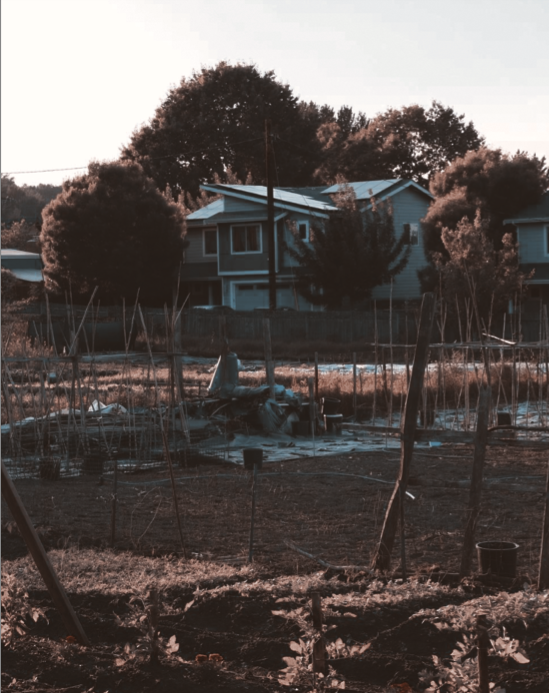
On a stretch of land near the Marymoor Village LightRail Station, it’s easy to imagine what most developers see: apartment buildings, ground-floor retail, maybe a café or two. It’s the kind of site that checks all the boxes for transit-oriented development—dense, walkable, and ready for housing. But the OneRedmond Foundation sees that and more. As Redmond’s non-profit economic and community development organization, the OneRedmond Foundation works to attract investment, support local businesses, and strengthen the city’s cultural and civic infrastructure. In line with that mission, the group envisions a portion of this unbuilt parcel, in partnership with a non-profit affordable housing developer, as a cultural anchor—one that could meet the needs of this rapidly growing city with arts, science, and community spaces. It’s a vision that blends civic identity with economic ambition—but to bring it to life, the Foundation will have to compete in a financial and policy arena that is not necessarily designed for such aspirations.
The new light rail station taking shape in Marymoor Village is a future node of mobility that promises to bring growth, investment, and change to the city’s edge. Like every stop along Sound Transit’s expanding network, the land surrounding the station is being eyed as prime real estate for high-density, transit-oriented development (TOD). This type of development expands opportunities for all, as direct access to transit can lead to vibrant places that work for residents, and visitors alike.
In addition to affordable housing on the site, theOneRedmond Foundation aims to expand Redmond’s civic identity, positioning the site as both a place to live and as a community destination for creativity, learning, and connection. The potential for synergy and partnership between the housing development and an Arts and Sciences Center would make it both a place to live and also to work, gather, create, and learn, meeting Sound Transit’s goals of creating “connections between neighborhoods and the region, between jobs and housing, between housing and transit, and between people and vibrant communities.”
The challenge? Sound Transit is legally required to prioritize TOD in how it releases public land. That means any proposal that doesn’t deliver a competitive amount of housing and walkability risks being dismissed before it ever reaches the table. For OneRedmond’s vision to survive, it must do more than inspire—it must comply. That means forming a coalition of development partners, rethinking feasibility, and negotiating a balance between cultural ambition and policy expectations.
To understand what’s at stake with the Marymoor site, it helps to know the process that will eventually determine its future: the Request for Proposal, or RFP. When public agencies like Sound Transit make land available for development, they don’t just sell it to the highest bidder. Instead, they issue RFPs: formal invitations for organizations to submit competing proposals that meet a set of planning priorities, legal obligations, and performance metrics. These TOD requirements aren’t just preferences—they’re SoundTransit policies. By conventional reading of current guidelines, the land must be used in a way that sup-ports compact, connected, and sustainable growth.
So how does OneRedmond compete? They are on a path to assemble a coalition of partners, including housing developers, cultural institutions, and mission-aligned investors, who are willing to co-develop a shared proposal. In this sense, the RFP becomes more than a planning document. It becomes a test of imagination, collaboration, and coalition-building. Partnering with a non-profit affordable housing developer to bring the site a significant amount of housing is key to the plan for success. The Arts and Science Center would serve as a buffer between the housing and the nearby SR 520 freeway, while being an amenity to those living in the affordable apartments and surrounding areas.
At its core, OneRedmond’s proposal for the Marymoor Village site is about filling gaps. The city, known as a thriving center of technology and innovation, has long been recognized for its economic growth, yet it remains culturally underserved. As a nonprofit without its own development arm, OneRedmond envisions transforming the vacant parcel adjacent to the new light rail station into a dynamic cultural hub, combining affordable housing with community-oriented facilities—spaces that Redmond has historically lacked or lost to displacement.
Bill Biggs, former Foundation Board President and MASC Committee Chair at the OneRedmond Foundation, emphasizes that this vision emerged directly from conversations with over 50 local organizations, all pointing to a clear community need for flexible arts and STEM-focused spaces.
“From our interviews, flexible, affordable arts and science spaces, alongside affordable housing, are repeatedly stressed as lacking due to displacement or simply not existing,” Biggs explains. Redmond, he notes, is “culturally diverse with an incredibly creative and artistic populace,” making the concept of a combined cultural and STEM facility a compelling choice for the site.
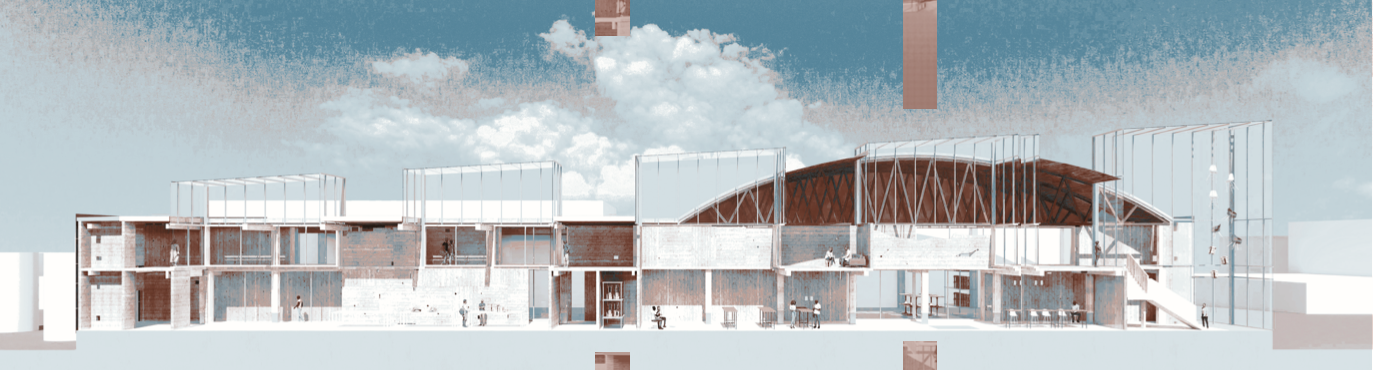
The OneRedmond Foundation partnered with student studios from the University of Washington’s Community, Environment, and Planning (CEP) program over multiple academic quarters to find out if their goals were possible based on size of site and zoning regulations. Led by Teaching Associate David Blum, student teams conducted detailed feasibility analyses, zoning reviews, and design explorations, test-fitting different options against anticipated RFP requirements. Biggs describes these collaborations as highly valuable, saying, “Their final products offered similarities and differences for us to consider. Recommendations for housing, parking requirements, and determining optimum sizes of community spaces are real challenges we continue to fine-tune.”
Thomas Nguyen, a student in the studio, recalls the steep learning curve. “They gave us the lay of the land,” he said, “and we had to decide how far we could realistically go.” For his team, that meant dissecting Sound Transit’s TOD requirements and aligning design choices with housing mandates. “At the end
of the day, Sound Transit would rather see more housing, specifically affordable housing,” Nguyen ex-plained. The studio ultimately recommended favoring housing to improve competitiveness.
Nguyen described how working under real-world constraints shifted his design mindset. “Seventy percent of our research was making sure things were feasible and realistic. Creativity came after we established the constraints—like putting together a giant puzzle.” The students delivered more than concepts—they provided actionable strategies, from site layouts to ownership models.
With Sound Transit’s RFP imminent, this is not a theoretical exercise—it’s a live scenario unfolding in real time. The decisions made today about this parcel near the Marymoor Village Station will shape Redmond’s cultural landscape, civic identity, and urban environment for decades.
The Foundation’s strategy, despite being ambitious and risky, could stretch historical s models of developing these types of sites. It suggests a path forward for how bold cultural visions can survive—and potentially thrive—with the input of the community and knowledge and ideas of students and experts alike. If successful, it may inspire similar coalitions, partnerships, and creative solutions elsewhere, demonstrating that the future of urban development lies in blurring boundaries and aiming high.
Whether or not OneRedmond’s proposal secures the forthcoming RFP in partnership with a non-profit affordable housing developer, it has already sparked a kind of progress grounded in collaboration, creativity, and community-driven vision. This effort reveals what’s possible when people step beyond their traditional roles—when students become co-creators in city-making, and when civic advocates like OneRedmond, rooted in community needs rather than market incentives, push design beyond what policy alone prescribes. “The experience of working with three cohorts of energetic and passionate UW students has been inspiring,” Biggs reflects, “and we can’t wait to see where their ideas, and those of the greater Redmond community, in partnership with Sound Transit and others lead. It’s really a once-in-a-lifetime opportunity for all of us.”
If, one day, a traveler steps off the light rail and finds themselves beneath the glow of a planetarium or the buzz of a maker space, they’ll know—something here was imagined with care, shaped by many hands, and built to welcome everyone.