When we set out to reignite a connection between ARCADE and the University of Washington back in 2023, we weren’t sure what to expect. Although ARCADE was born at the university’s College of Built Environments (CBE), having been founded by a crew of recent UW graduates way back in 1981, the relationship has taken many forms over the years. Over that time, ARCADE has strengthened its mission of cultivating dialogue on the designed environment, just as UW’s CBE has built its reputation as one of the leading design and architecture programs in the west. Today, those two parallel paths are converging with the publication of our second UW x ARCADE issue.
Each article in this issue was written by a UW student about a design-related topic of their choosing during their time in Lauren’s CBE writing course, “Storytelling in the Built Environment.” More than a writing class, the seminar is a platform for students to explore ideas in the built environment that feel urgent to them—a place to have their voices heard as they hone the craft of storytelling. This year, we left it up to the students to select the theme of the issue, asking them, what topics feel most pressing to you in the world of design right now?
The student-led concept for this issue tackles the trials and tribulations of our current moment, but without taking a side. In a moment when polarization seems to be the norm, our students asked a bigger question: what if design was about finding opportunities to bridge gaps, be flexible, incorporate new concepts and methods. What if we all adopted the mantra, Bend, Don’t Break? Our students uncovered places where the means and methods of design could expand and stretch, encompassing more, not less. Theirs is a theme that asks us to widen the lens, considering who we are designing for and who might be left on the margins. Throughout the writing process, a collective question arose: if we shifted the center of design to a point outside the mainstream, would the benefits be felt by everyone?
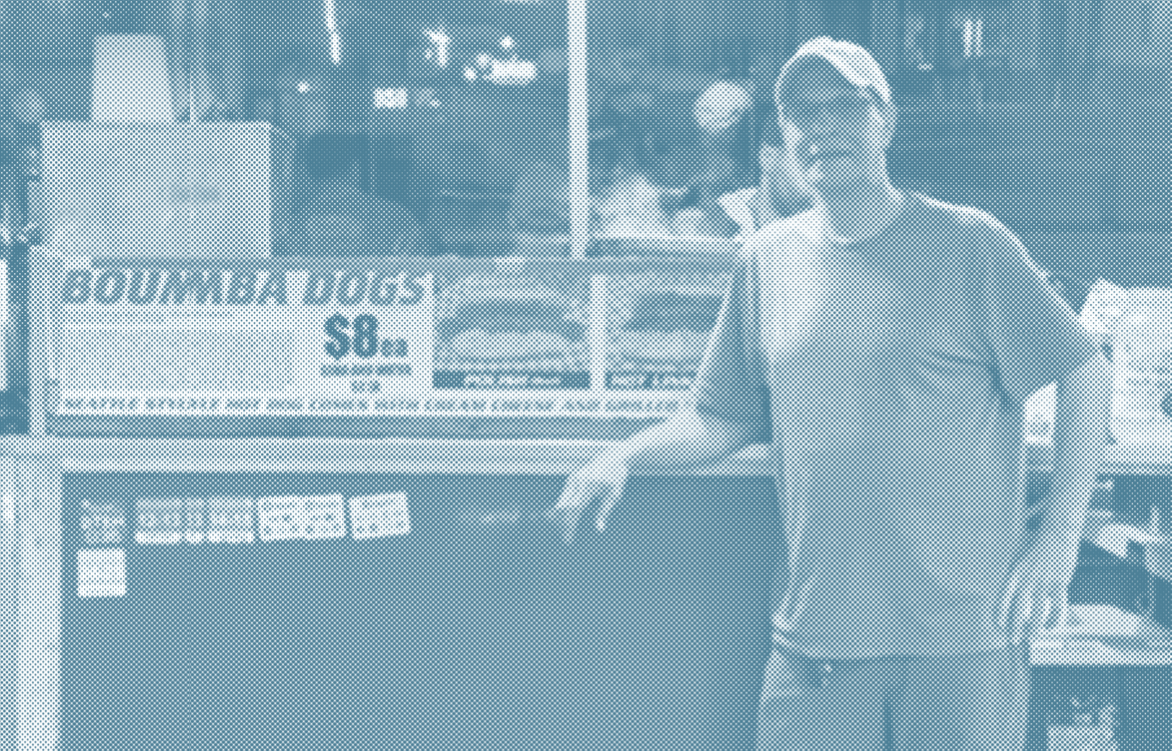
Reading the essays in this issue, the answer is a resounding yes. Covering topics ranging from informal urbanisms to designing for neurodivergence, the landscape of street vending in Capitol Hill, co-operative and multi-generational housing models, and circular design, the stories in this issue are inspirational and invigorating. They show us a way forward and invite us to be co-conspirators in making the world we want to see. If this issue is any indication, the future of design is thoughtful, inclusive, and most of all, optimistic.
We need these young voices: they broaden the conversation about design in our community. Their stories help us attune to things we may be overlooking or excluding, and give us ideas about how to pave a path forward. Most of all, in these pages, there is hope for the future.
Thank you to the students in this issue for sharing your ideas and your stories, and to the College of Built Environments for providing a home for us to do this work together.